A Comprehensive Guide to Adult, Child, and Infant CPR Techniques


Understanding the Importance of CPR
Cardiopulmonary resuscitation (CPR) is a crucial lifesaving technique used in emergencies when someone's breathing or heartbeat has stopped. Whether due to a heart attack, drowning, or choking, performing CPR can significantly increase the chances of survival. Knowing how to perform CPR on adults, children, and infants is a valuable skill for everyone.
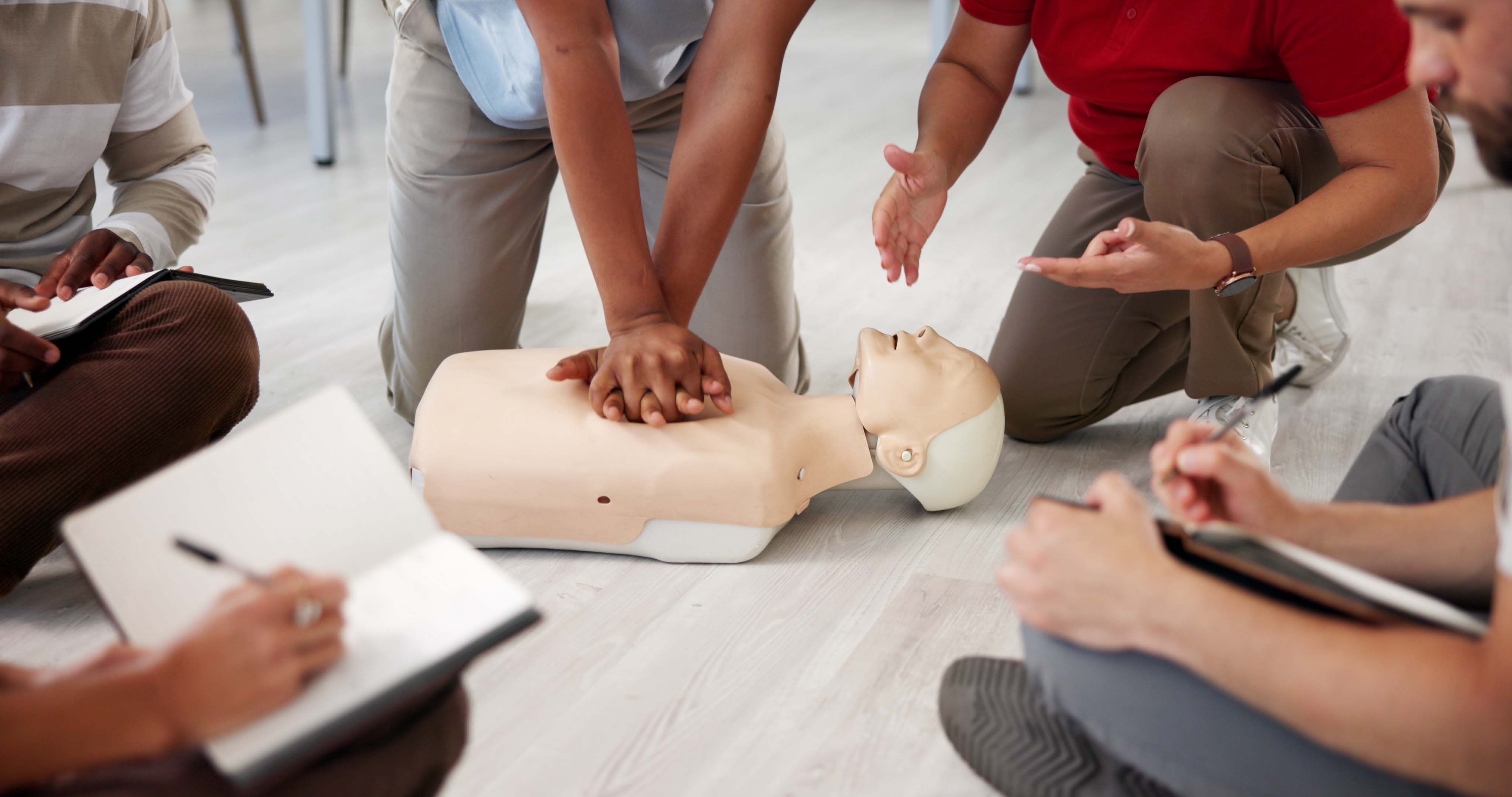
Steps for Performing Adult CPR
Assess the Situation
Before starting CPR, ensure the area is safe for both you and the victim. Check for responsiveness by tapping the person and shouting, "Are you okay?" If there's no response, call emergency services immediately.
Begin Chest Compressions
Place the heel of your hand on the center of the person’s chest, interlock your fingers, and begin compressions. Push hard and fast, at a rate of 100-120 compressions per minute, allowing the chest to recoil completely between compressions.
Provide Rescue Breaths
After 30 compressions, give 2 rescue breaths by tilting the person’s head back slightly, pinching the nose shut, and breathing into their mouth. Ensure the chest rises with each breath. If you’re untrained or uncomfortable, continue with hands-only CPR.

Child CPR Techniques
Check Responsiveness and Call for Help
For children aged 1 to puberty, check for responsiveness in a similar manner as with adults. If unresponsive, call emergency services, or if alone, perform CPR for two minutes before calling.
Perform Chest Compressions
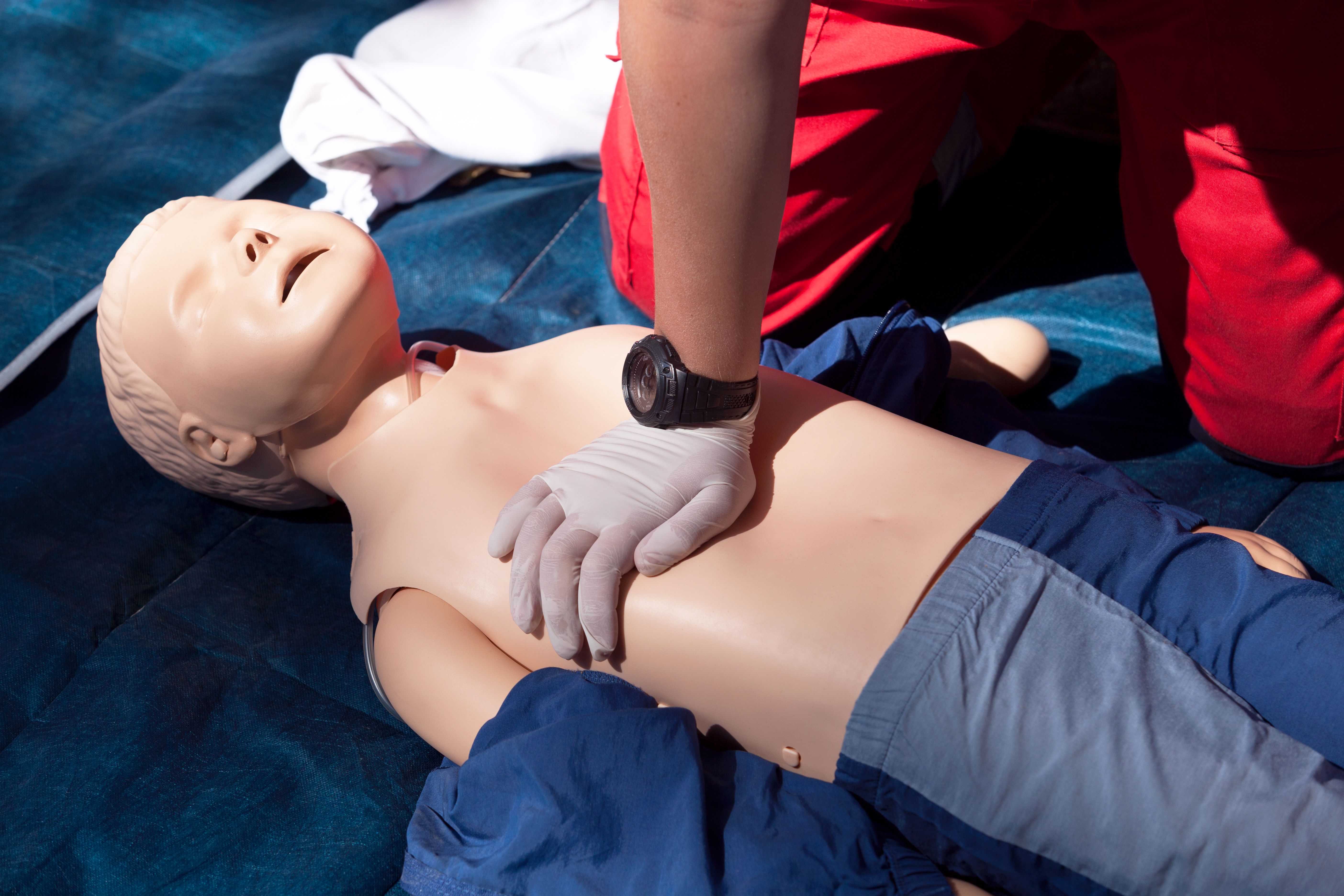
Use one or two hands, depending on the child’s size, and compress the chest about one-third the depth of the chest at the same rate as adult CPR. Keep the compressions consistent and steady.
Administer Rescue Breaths
After 30 compressions, give 2 gentle breaths, watching for the chest to rise. If it's difficult, adjust the head tilt and ensure a proper seal over the child’s mouth.
Infant CPR Guidelines
Ensure Safety and Check for Responsiveness
Gently flick the infant’s foot or tap their shoulder to check for responsiveness. If no response, call emergency services or ask someone nearby to do so.
Perform Chest Compressions
Use two fingers to perform chest compressions just below the nipple line. Compress the chest about one-third its depth, maintaining a rhythm of 100-120 compressions per minute.
Deliver Rescue Breaths
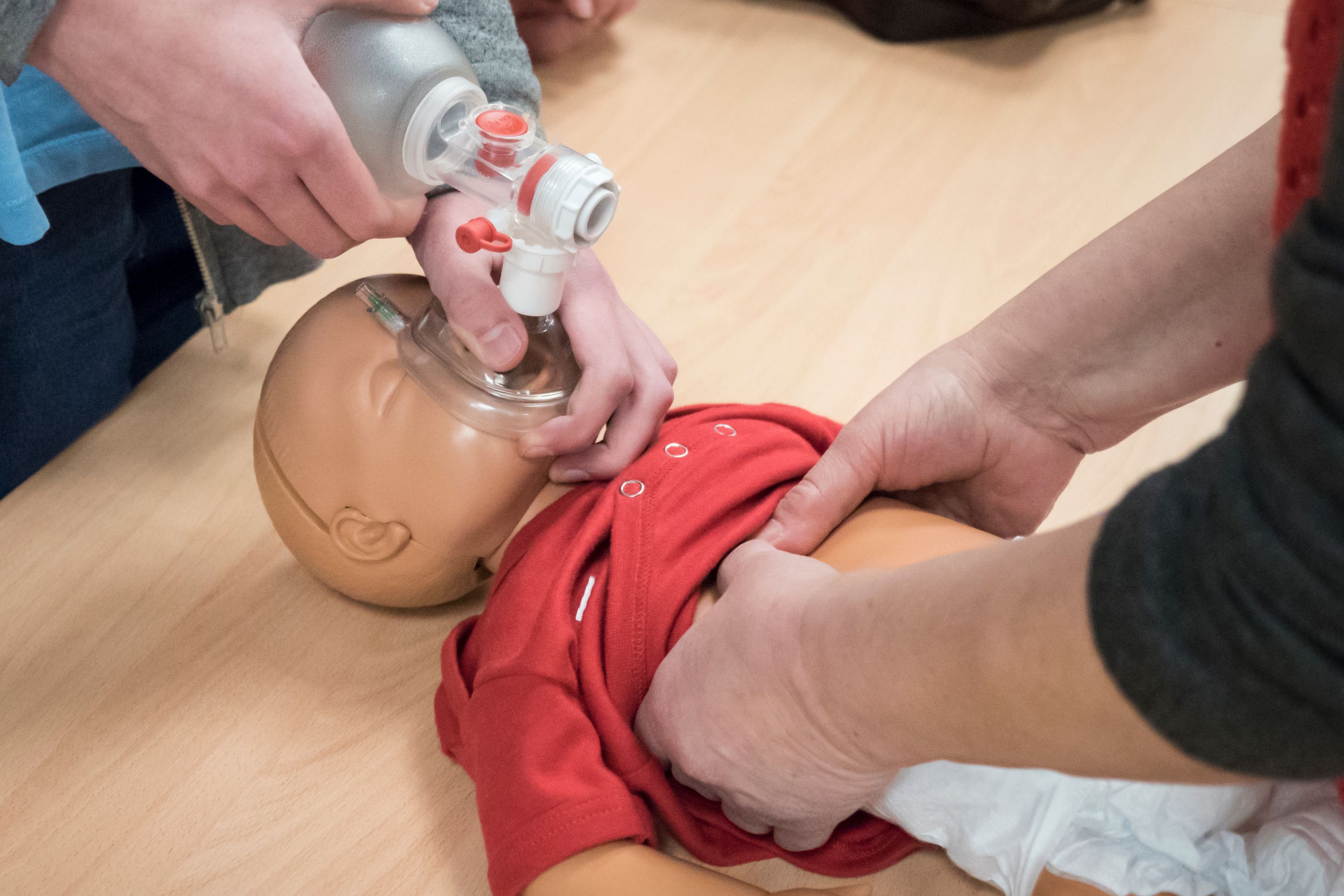
Cover the infant’s mouth and nose with your mouth, providing 2 gentle breaths. Each breath should take about 1 second and cause the chest to rise visibly.
Conclusion
Learning and practicing CPR techniques for adults, children, and infants can empower you to act confidently in an emergency. Regular training and refreshers ensure readiness to save lives when every second counts.