Adult, Child, and Infant CPR: Key Differences and Techniques


Understanding CPR for Different Age Groups
Cardiopulmonary resuscitation (CPR) is a crucial lifesaving technique used in emergencies when someone's heartbeat or breathing has stopped. While the core principles of CPR remain consistent, the techniques vary depending on whether the patient is an adult, child, or infant. Understanding these differences is essential for effective intervention.
CPR for Adults
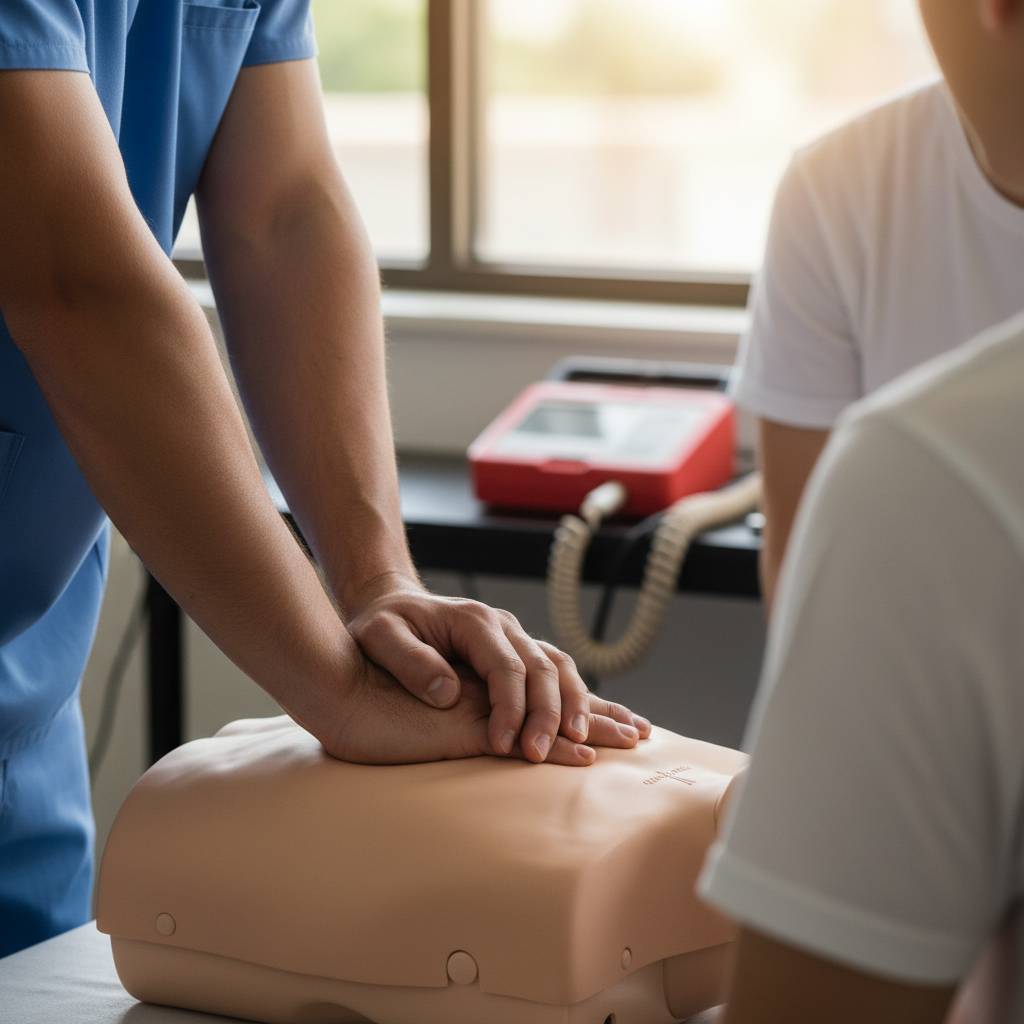
Adult CPR is typically required for individuals over the age of eight. The primary goal is to restore blood circulation and breathing. Here are the key steps:
- Chest Compressions: Place the heel of one hand on the center of the chest, with the other hand on top. Push hard and fast, at least 2 inches deep, at a rate of 100-120 compressions per minute.
- Rescue Breaths: After 30 compressions, give 2 rescue breaths. Tilt the head back slightly, lift the chin, and pinch the nose shut. Breathe into the mouth until the chest rises.
CPR for Children
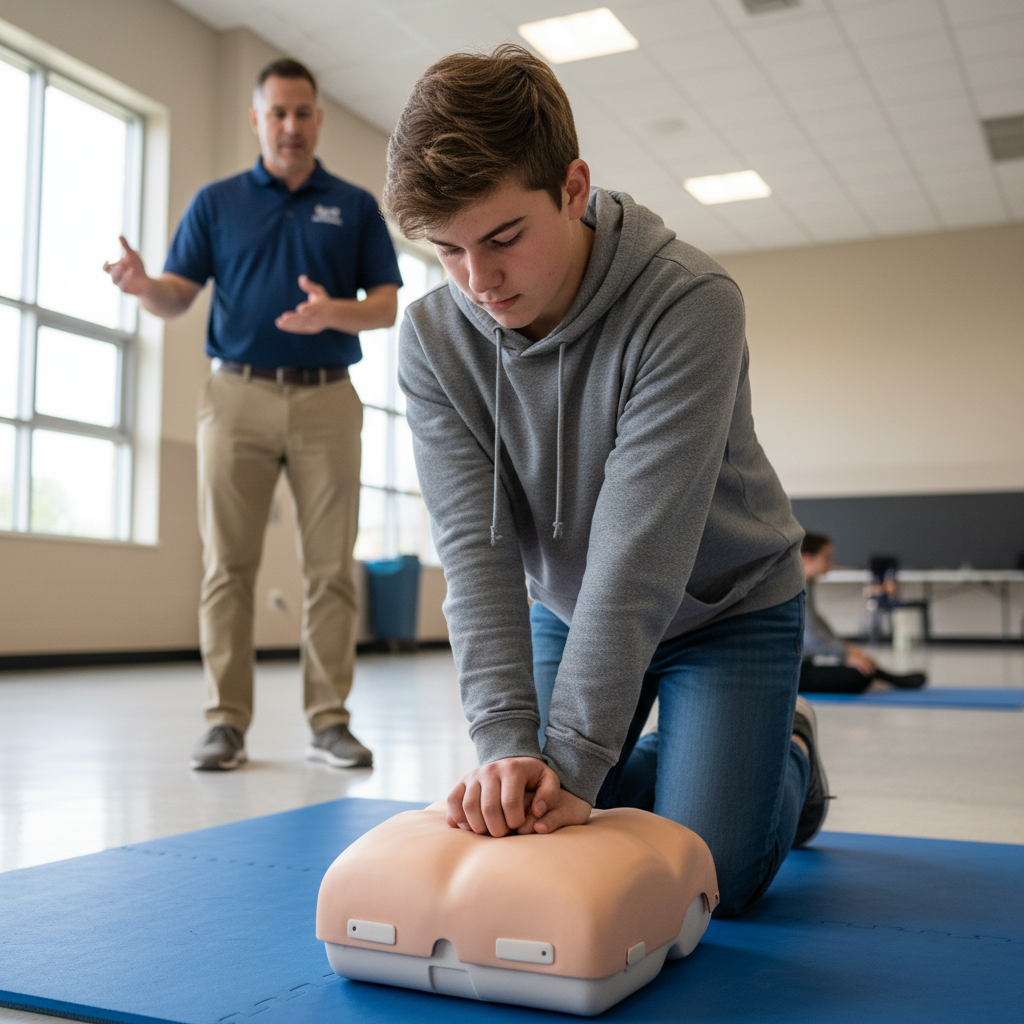
For children aged one to eight, the CPR technique is slightly modified to account for their smaller size and fragility. Here’s what to consider:
- Chest Compressions: Use one hand instead of two to compress the chest about 2 inches deep at the same rate.
- Rescue Breaths: Similar to adults, but be gentler with the breaths to avoid over-inflation.
CPR for Infants
Infant CPR is designed for children under one year old and requires even more care and precision. The steps include:
- Chest Compressions: Use two fingers at the center of the chest, compressing about 1.5 inches deep.
- Rescue Breaths: Cover both the infant's mouth and nose with your mouth and give gentle breaths, just enough to make the chest rise.
Key Differences and Considerations
While the fundamental goal of CPR is consistent across all age groups, the technique’s application requires adjustments based on the patient’s age and size. The depth and force of compressions, as well as the volume of rescue breaths, must be tailored appropriately to avoid injury and increase the chances of revival.
Why Training is Essential
Proper CPR training is vital for anyone who may need to perform it, whether you're a healthcare professional or a layperson. Courses are widely available and often include certification, ensuring you’re prepared to act quickly and effectively in an emergency.
Understanding the key differences in CPR techniques for adults, children, and infants can make a significant difference in an emergency situation. With proper training and knowledge, you can help save lives.