Basic Life Support: What to Expect and How to Prepare for Your First Class


Understanding Basic Life Support (BLS)
Basic Life Support (BLS) is a set of essential skills required to assist individuals experiencing life-threatening emergencies such as cardiac arrest, respiratory distress, or obstructed airways. These skills are crucial for healthcare professionals and anyone who wants to be prepared to help in emergencies. Attending a BLS class for the first time can be both exciting and daunting. Knowing what to expect and how to prepare can make the experience more rewarding.
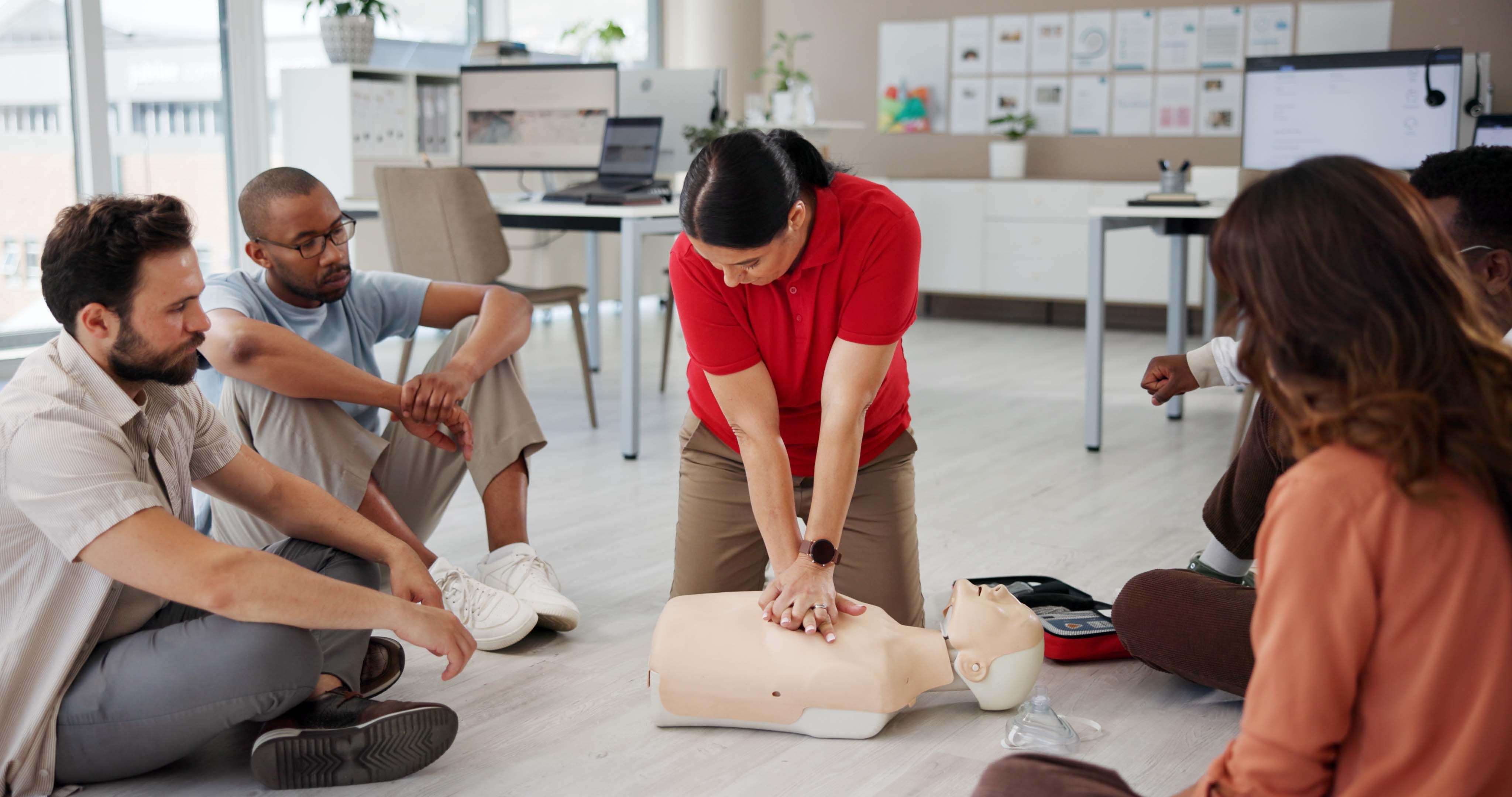
What to Expect in Your First BLS Class
Your first BLS class will typically cover a range of lifesaving techniques, including cardiopulmonary resuscitation (CPR), using an automated external defibrillator (AED), and relieving choking in adults, children, and infants. Courses are designed to be hands-on, giving you ample practice on manikins to build your confidence in performing these skills.
Expect your instructor to provide detailed demonstrations and supervise your practice sessions closely. Classes often include a mix of video presentations, lectures, and hands-on practice to cater to different learning styles. The course will culminate in a skills test to ensure you can perform BLS techniques effectively.
Preparing for Your BLS Class
To fully benefit from your BLS class, it's helpful to come prepared. Here are some tips to ensure you're ready:
- Wear comfortable clothing: Classes involve physical activity, so dress in attire that allows you to move freely.
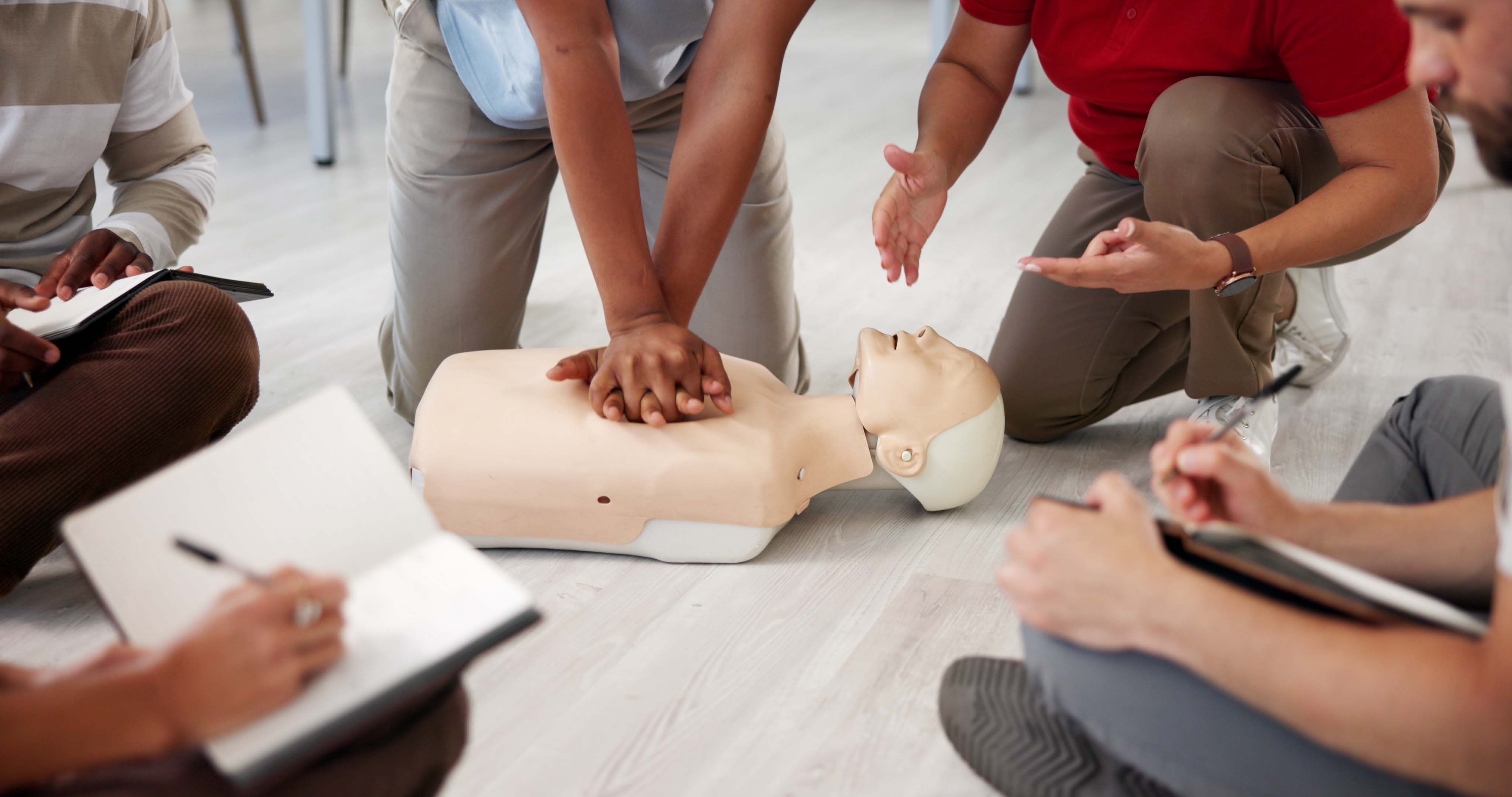
- Bring a notebook: Taking notes can help you remember key points from the lectures and demonstrations.
- Arrive early: Allow extra time to find the location and settle in before the class begins.

Key Skills You'll Learn
In your BLS class, you'll develop several key skills that are vital in emergency situations. These include:
- High-quality CPR: Learn the correct technique for chest compressions and rescue breaths.
- AED use: Understand how to operate an AED and its role in increasing survival rates during cardiac arrest.
- Relieving choking: Acquire the skills needed to clear airway obstructions in different age groups.
The Importance of Practice
Practice is a crucial component of BLS training. The more you practice, the more automatic your response will be in real-life situations. Instructors will provide feedback and guidance to help you refine your techniques. Don’t hesitate to ask questions or request additional practice if needed; being proactive enhances learning.
Certification and Recertification
Upon successful completion of your BLS class, you'll receive a certification card that is typically valid for two years. This certification is essential for healthcare professionals and offers reassurance that you’re prepared to handle emergencies. Remember, BLS skills can diminish over time, so regular recertification is crucial to maintain proficiency.
Staying current with your BLS certification ensures that you remain an effective responder. Many institutions offer refresher courses that focus on the latest guidelines and advancements in life support techniques.
The Value of Being Prepared
Completing a Basic Life Support class is an empowering step towards being ready to assist in emergencies. The skills you acquire could potentially save lives, making it a valuable investment in your education and preparedness. Whether you're a healthcare professional or someone looking to be better prepared in everyday life, BLS training offers invaluable knowledge and confidence.
By understanding what to expect and how to prepare for your first BLS class, you'll be well-equipped to take on this important training with enthusiasm and readiness. Remember, the skills you learn could make all the difference when every second counts.