Choosing the Right First Aid Course: A Comparison of ASHI and NSC Certifications


Introduction to First Aid Certifications
When it comes to choosing a first aid course, understanding the differences between various certifications is crucial. Two of the most recognized certifications in the United States are the ASHI (American Safety & Health Institute) and the NSC (National Safety Council). Both offer comprehensive training programs, but which one is right for you? In this post, we'll compare these two certifications to help you make an informed decision.
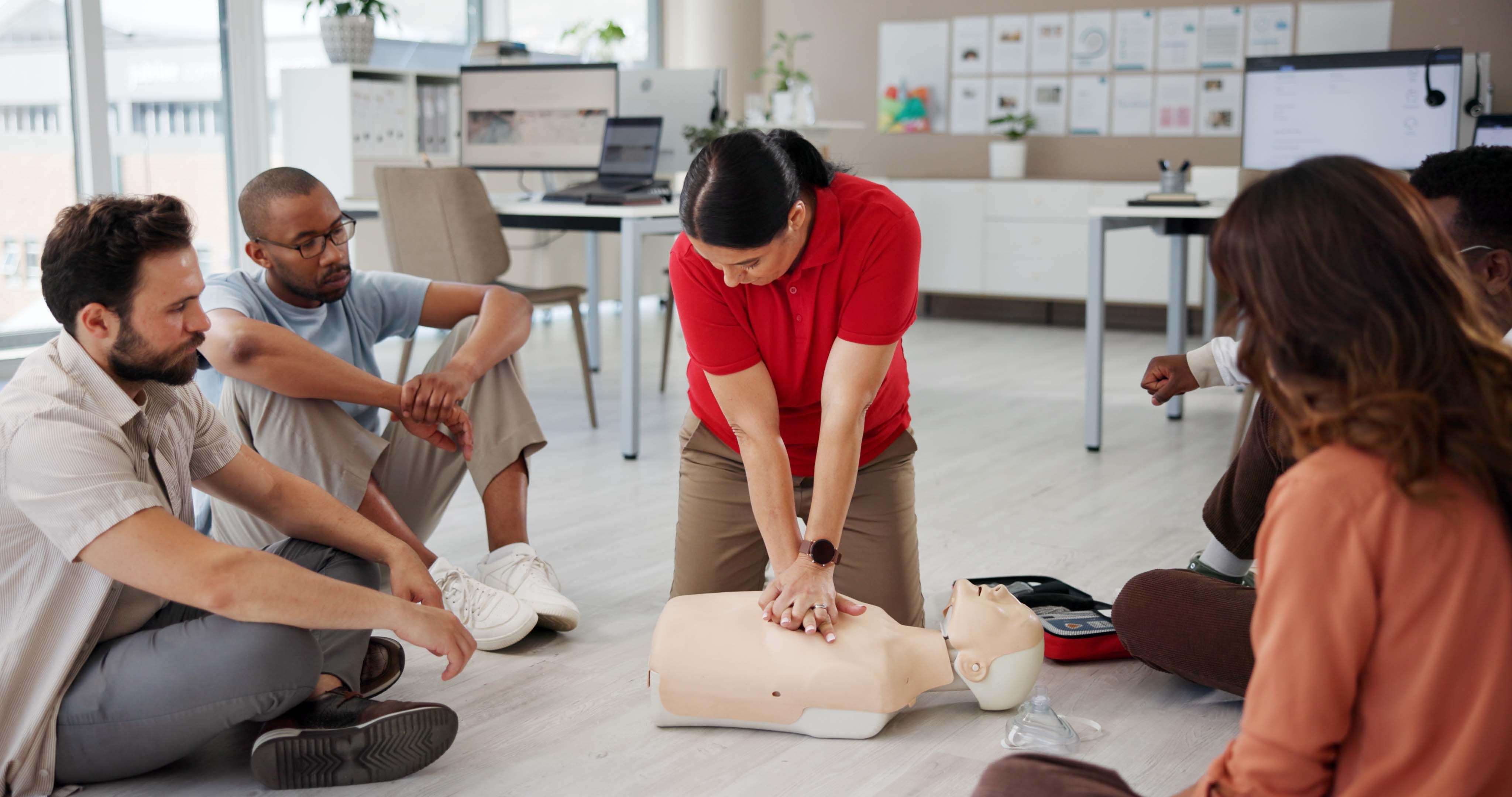
Overview of ASHI Certification
The ASHI certification is known for its flexible training options and user-friendly approach. ASHI provides a range of first aid courses, from basic to advanced levels, catering to different needs and skill levels. One of the standout features of ASHI is its emphasis on user-friendly materials, which makes it a popular choice for community-based training programs and individuals looking for a straightforward learning experience.
Additionally, ASHI courses are often updated to incorporate the latest medical guidelines and best practices, ensuring that participants receive current and relevant information. The courses are designed to be interactive and engaging, offering hands-on practice that helps reinforce learning.
Overview of NSC Certification
The NSC certification, on the other hand, is renowned for its rigorous training and comprehensive curriculum. The NSC focuses on providing in-depth knowledge and practical skills that are applicable in real-world situations. Their courses are tailored for individuals seeking a thorough understanding of first aid, making them ideal for workplace training or those pursuing careers in health and safety.

NSC courses are known for their high-quality instruction and detailed coursework. They often include scenarios that mimic real-life emergencies, allowing participants to practice their skills in a controlled environment. This approach aims to build confidence and competence in handling various medical situations.
Comparison of Course Content
When comparing the content of ASHI and NSC courses, both cover essential first aid topics such as CPR, wound care, and emergency response. However, the depth and focus can vary between the two. ASHI tends to focus on practical skills with straightforward instruction, while NSC offers a more comprehensive exploration of topics with an emphasis on critical thinking and decision-making.
- ASHI: User-friendly materials, frequent updates.
- NSC: In-depth scenarios, comprehensive coverage.
Course Flexibility and Accessibility
One of the advantages of ASHI is its flexibility in course delivery. ASHI offers online and in-person options, making it accessible to a wide range of learners. This flexibility allows participants to learn at their own pace and convenience, which is particularly beneficial for those with busy schedules.

Conversely, the NSC typically emphasizes in-person training sessions to ensure participants receive hands-on experience. While this approach may require more time commitment, it provides invaluable opportunities for learners to practice under the guidance of experienced instructors.
Certification Validity and Recognition
Both ASHI and NSC certifications are widely recognized across various sectors. However, it's essential to consider the specific requirements of your industry or workplace when choosing a certification. Some employers may prefer one certification over the other due to particular organizational standards or affiliations with safety councils.
Conclusion
Choosing between ASHI and NSC certifications depends largely on your individual needs and circumstances. If you prefer flexibility and straightforward instruction, ASHI might be the better choice. If you seek a comprehensive and rigorous learning experience with practical applications, NSC could be more suitable. Regardless of your choice, both certifications provide valuable skills that can make a significant difference in emergency situations.