Common Misconceptions About CPR and First Aid Training


Understanding CPR and First Aid Training
Many people hold misconceptions about CPR and first aid training, which can lead to hesitation or reluctance in learning these critical skills. By debunking these myths, we can encourage more individuals to gain confidence in their ability to help during emergencies. Let’s explore some of the most common misunderstandings.
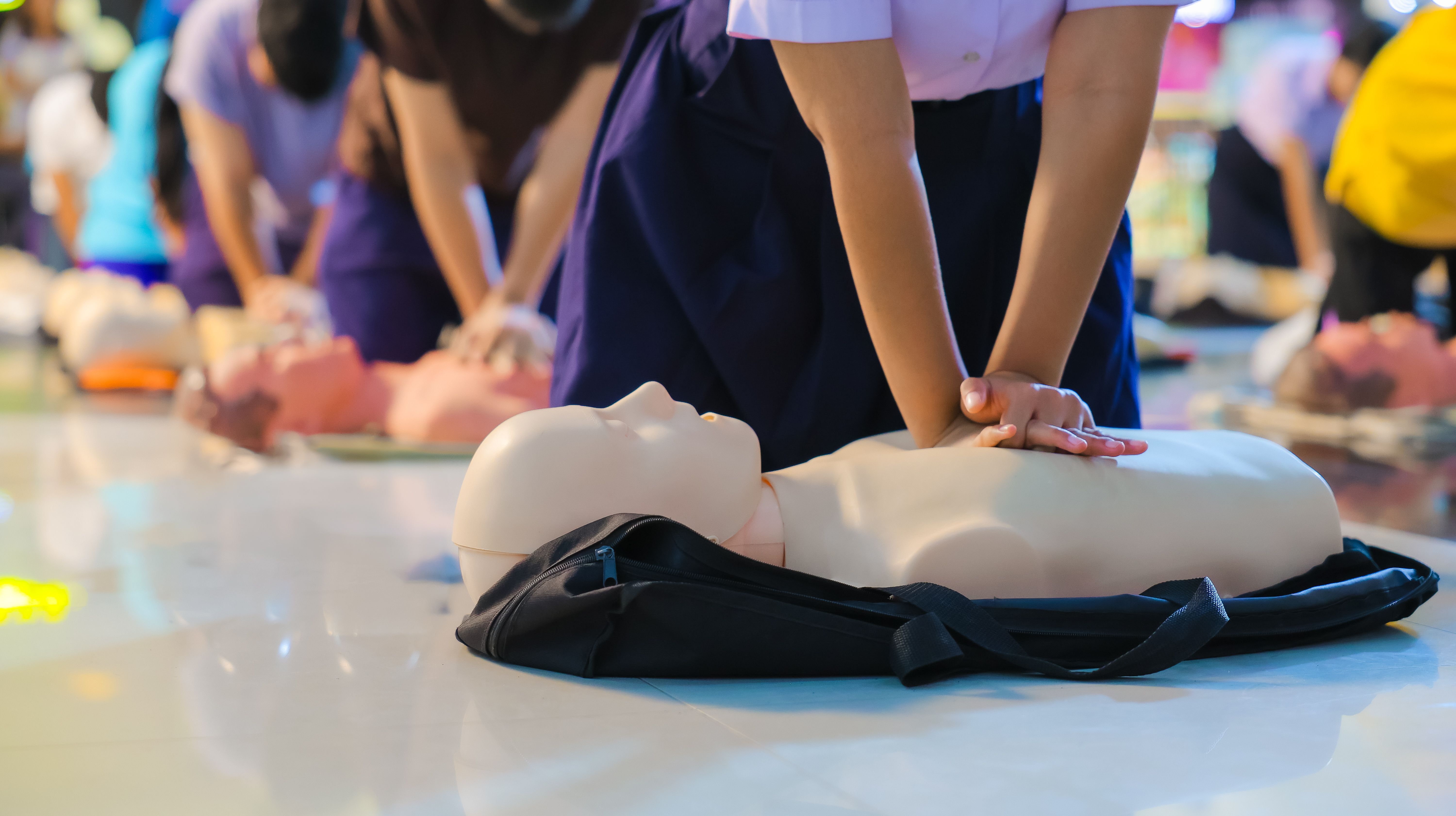
Myth: CPR is Only for Medical Professionals
A prevalent belief is that CPR should only be performed by trained medical professionals. In reality, CPR can be learned by anyone and is designed to be simple enough for non-medical individuals to perform effectively. Immediate bystander CPR can significantly increase the chances of survival for cardiac arrest victims.
Many organizations offer CPR training courses that are accessible to the general public. These courses provide hands-on practice and can be completed within a few hours, making them convenient for everyone.
Myth: First Aid Training Takes Too Long
Another misconception is that first aid training is time-consuming and difficult to fit into a busy schedule. However, first aid courses are often designed to be concise and focused on practical skills. Many training providers offer flexible options such as weekend classes or online components that allow participants to learn at their own pace.

It’s also important to note that even a basic understanding of first aid can be incredibly valuable in an emergency. Participants learn how to handle common injuries and potentially life-saving techniques such as the Heimlich maneuver.
Myth: You Could Do More Harm Than Good
People often fear that acting in an emergency without full medical expertise could result in causing more harm than good. While this concern is understandable, the reality is that doing something is almost always better than doing nothing at all. Bystander intervention can stabilize a situation until professional help arrives.

CPR and first aid training emphasize the importance of calling emergency services immediately and then providing assistance within the scope of your training. This approach ensures that victims receive timely help while minimizing risks.
The Importance of Regular Refresher Courses
Skills learned in CPR and first aid courses can fade over time if not practiced regularly. It’s crucial to undertake refresher courses periodically to stay up-to-date with the latest techniques and recommendations. Many organizations offer refresher courses at a discounted rate for those who have previously completed training.
Additionally, staying current with your training ensures that you maintain confidence in your abilities, which is vital in high-pressure situations. Being well-prepared can make all the difference when every second counts.
Conclusion: Empowering Individuals Through Education
By dispelling these common myths about CPR and first aid training, we can encourage more individuals to take proactive steps toward learning these essential skills. With proper training, anyone can become a valuable first responder in their community. Remember, your actions could save a life.