Common Misconceptions About First Aid and CPR: What You Need to Know


Understanding First Aid and CPR
First aid and CPR are crucial skills that can save lives. However, there are many misconceptions surrounding these practices. It's important to debunk these myths to ensure that more people are prepared to act in emergencies.
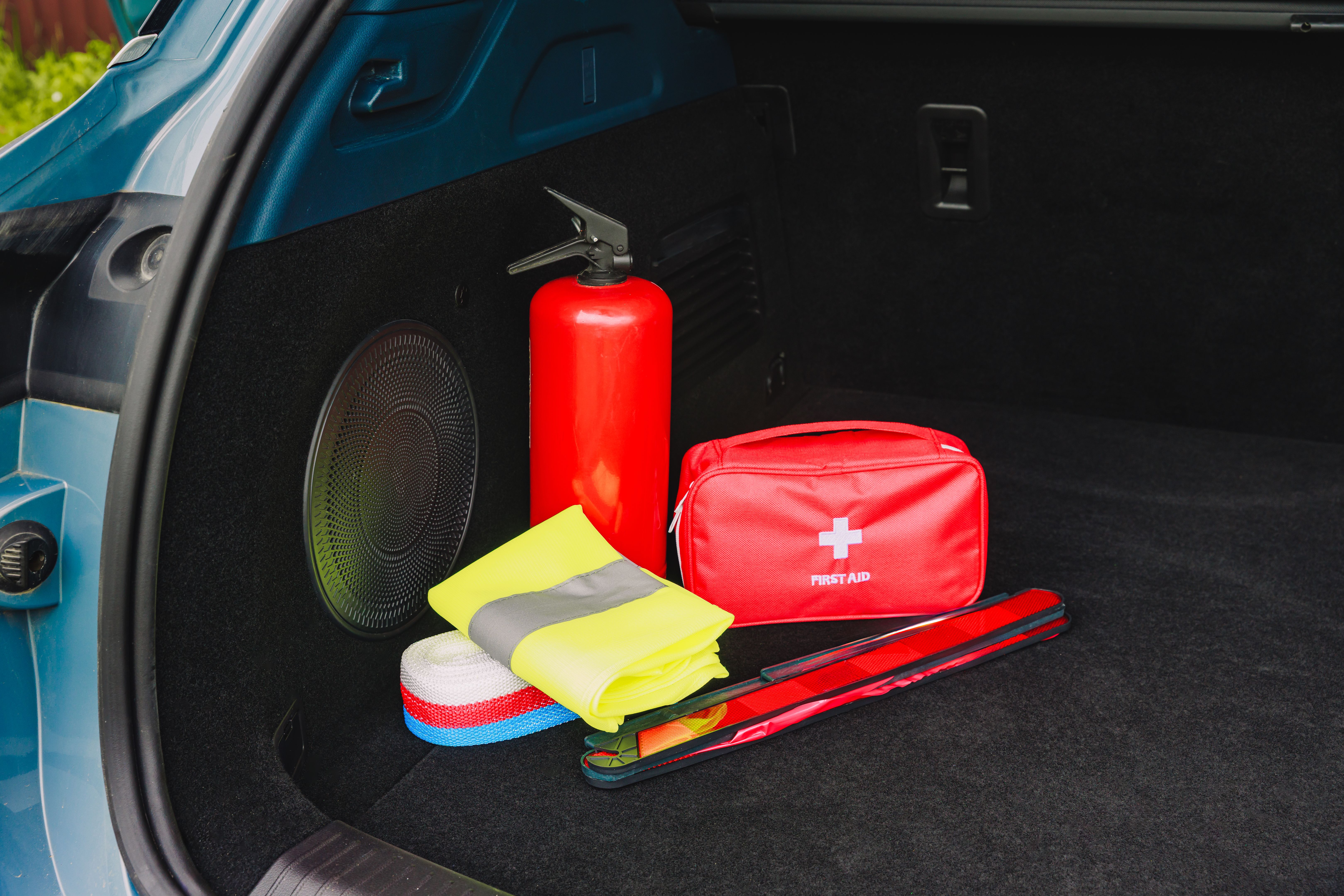
Misconception: Only Professionals Should Perform CPR
Many people believe that only healthcare professionals should perform CPR. This is not true. Bystander CPR can double or triple a person's chance of survival. Learning CPR is accessible to everyone, and taking a certified course can provide the confidence needed to perform it effectively.
Overcoming Fear
Fear of causing harm is a major barrier for many. It's important to remember that doing something is better than doing nothing. If the heart has stopped, the person is already in a critical state, and immediate action is necessary.
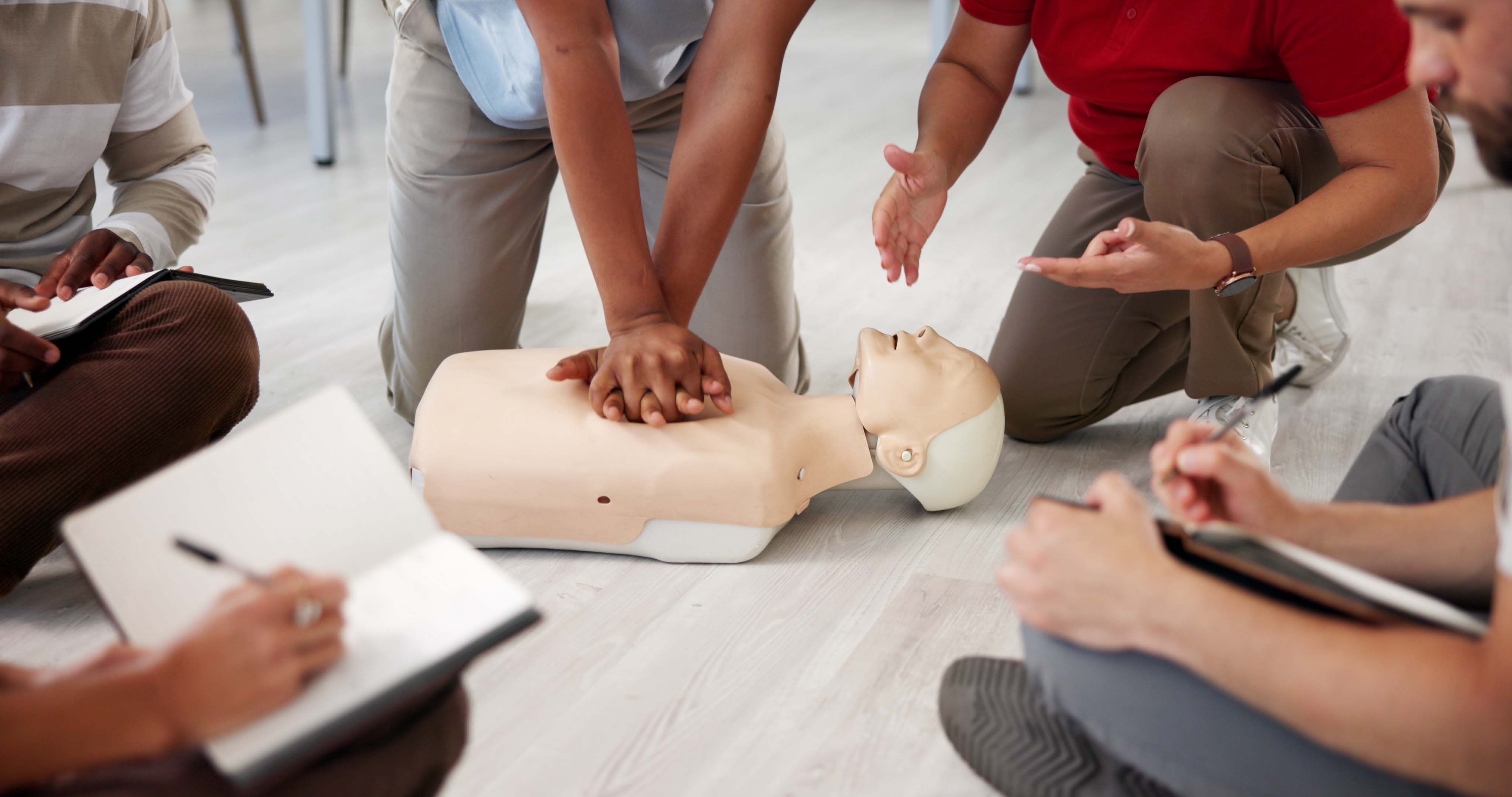
Misconception: You Don't Need First Aid Training for Minor Injuries
Another common misconception is that first aid training is only for serious injuries. In reality, first aid skills are valuable for all types of injuries, from minor cuts and burns to more serious conditions.
Everyday Applications
First aid training covers a wide range of situations. Being prepared for common accidents, such as sprains or nosebleeds, can make a significant difference in the outcome and reduce panic during emergencies.
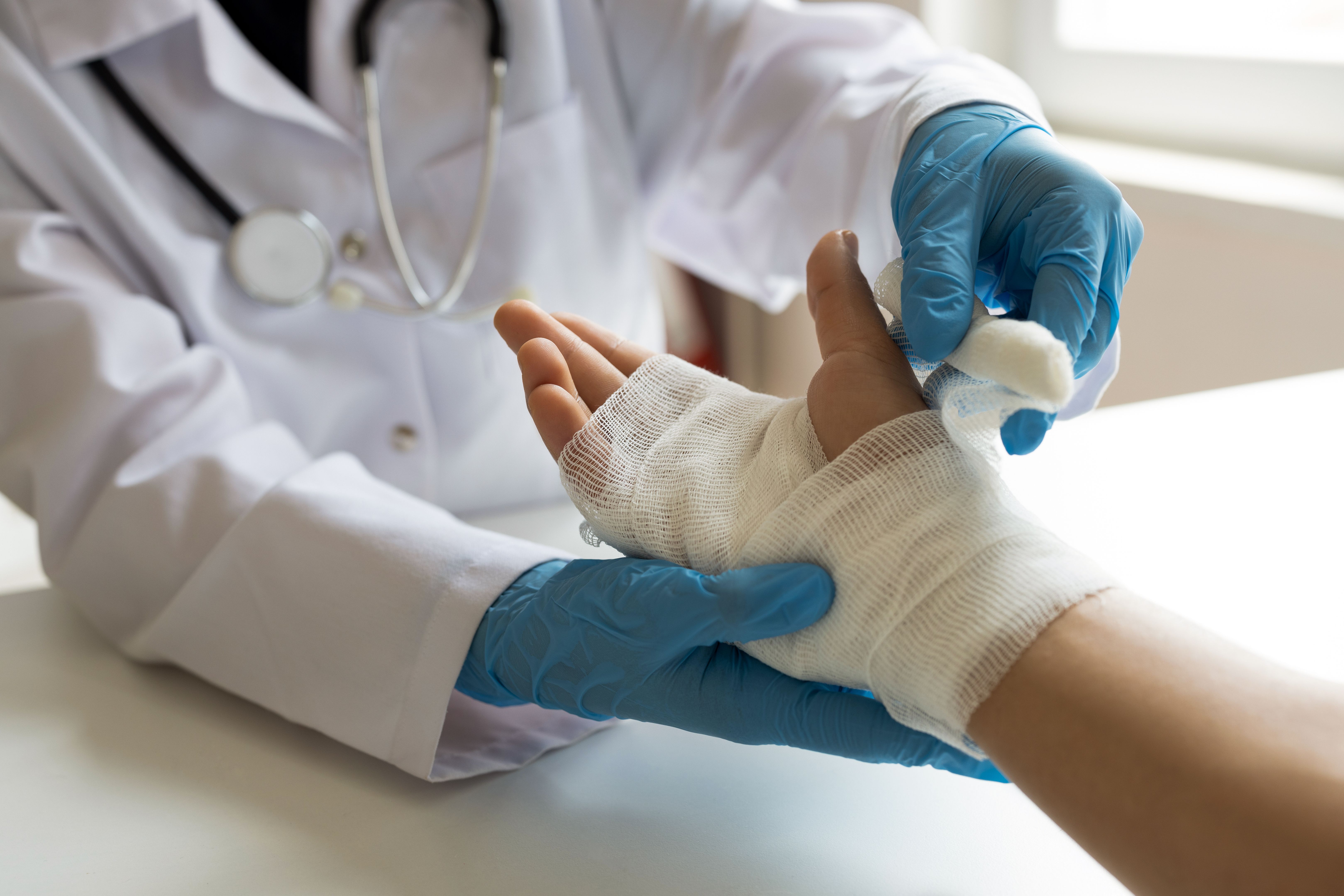
Misconception: CPR Is Too Complicated
Some people think CPR is too complicated to learn. However, modern CPR guidelines focus on simplicity. The emphasis is on chest compressions, making it easier to remember and perform.
Hands-Only CPR
Hands-only CPR is an effective method for bystanders to deliver life-saving assistance without worrying about mouth-to-mouth resuscitation. This approach encourages more people to act quickly during cardiac emergencies.

Misconception: You Need Special Equipment
It's a common belief that special equipment is necessary to provide effective first aid. While certain tools can be helpful, most first aid can be performed with basic supplies that are readily available.
Building a Basic First Aid Kit
A basic first aid kit with items like bandages, antiseptic wipes, and adhesive tape is sufficient for many situations. Knowing how to use these items correctly is more important than having a fully stocked kit.
Conclusion
Understanding and addressing these misconceptions can empower more people to take action in emergencies. By spreading accurate information and encouraging training, we can create a safer and more prepared community.