Comparing CPR Training Providers in the Tri-State Area


Understanding the Importance of CPR Training
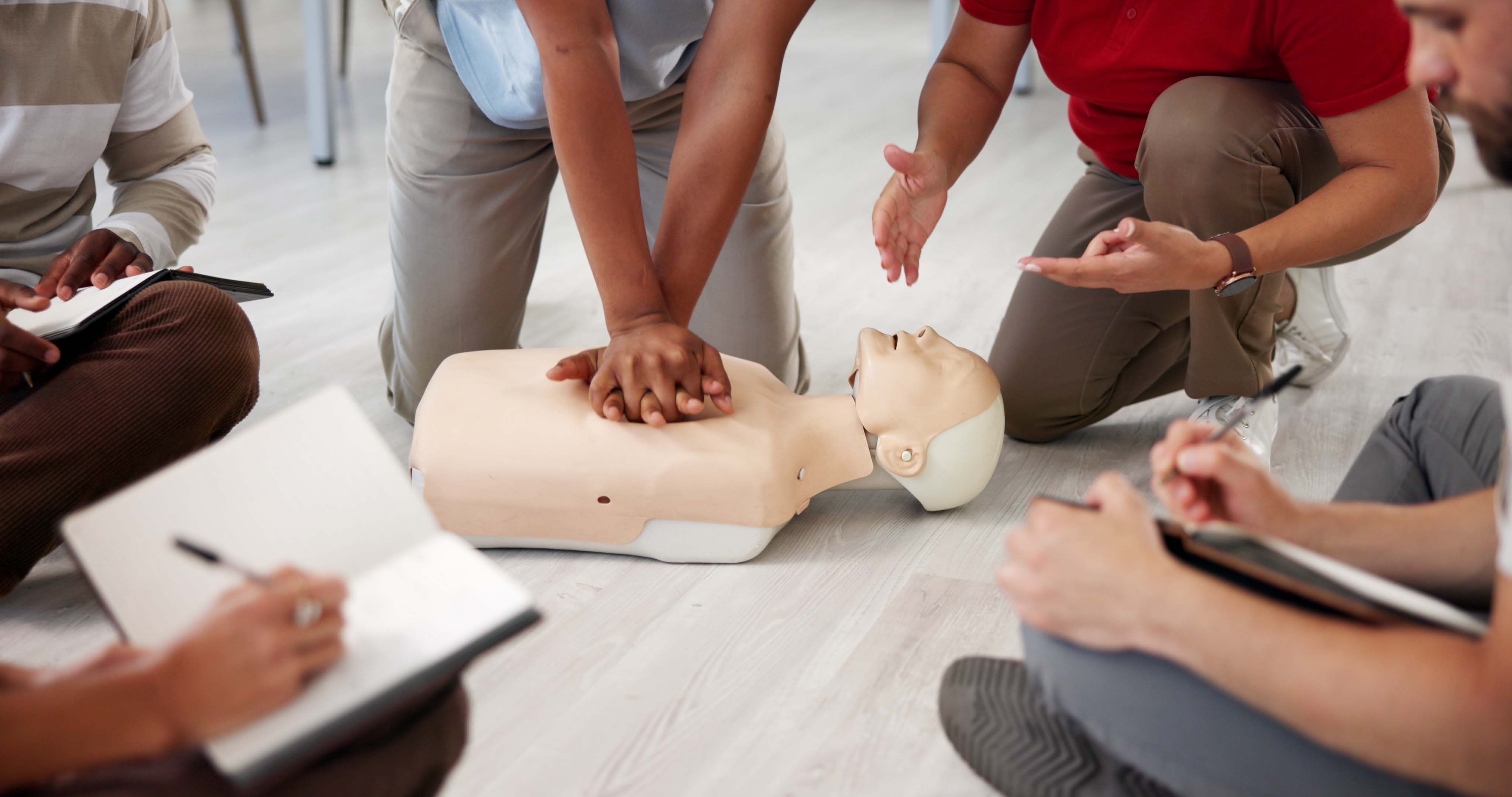
Cardiopulmonary resuscitation (CPR) can be a lifesaving skill in emergencies. In the Tri-State Area, numerous providers offer CPR training to equip individuals with the necessary skills to respond effectively during cardiac arrest situations. Selecting the right provider can be crucial for ensuring quality education.
CPR training is not only vital for healthcare professionals but also for everyday citizens. By learning CPR, you gain the ability to potentially save lives, making it an essential skill for everyone.
Factors to Consider When Choosing a CPR Training Provider
When selecting a CPR training provider, consider factors such as certification, instructor qualifications, and course offerings. These elements can significantly impact the quality of the training you receive.
Certification and Accreditation
Ensure that the provider is certified by reputable organizations such as the American Heart Association (AHA) or the American Red Cross. Accreditation ensures that the training meets recognized standards and is widely accepted.
Instructor Expertise
Instructors should be experienced and well-qualified. Look for trainers with a background in healthcare or emergency response, as their real-world experience can provide valuable insights during the training.

Comparing Top CPR Training Providers in the Tri-State Area
Several prominent providers offer CPR training in the Tri-State Area. Here are a few to consider:
- Provider A: Known for its comprehensive courses and state-of-the-art facilities.
- Provider B: Offers flexible scheduling and online course options.
- Provider C: Specializes in corporate and group training sessions.
Each provider has its unique strengths, so choosing the right one will depend on your specific needs and preferences.
Cost and Accessibility
Costs can vary significantly between providers. Some offer discounted rates for groups or recurring training. Additionally, consider the location and accessibility of the training center, as convenience can play a role in your decision.
Online courses may be an option for those with tight schedules, providing flexibility without compromising on the quality of education.
Conclusion
Choosing the right CPR training provider in the Tri-State Area involves careful consideration of several factors, including accreditation, instructor expertise, and course offerings. By doing your research and comparing options, you can find a provider that best suits your needs and ensures you are well-prepared to handle emergency situations.