Debunking Common CPR Myths: What You Really Need to Know


Understanding the Importance of CPR
Cardiopulmonary resuscitation (CPR) is a crucial life-saving technique used in emergencies when someone's heartbeat or breathing has stopped. Despite its importance, several myths persist that may deter people from performing CPR effectively. By debunking these myths, we can empower more individuals to act confidently in critical situations.
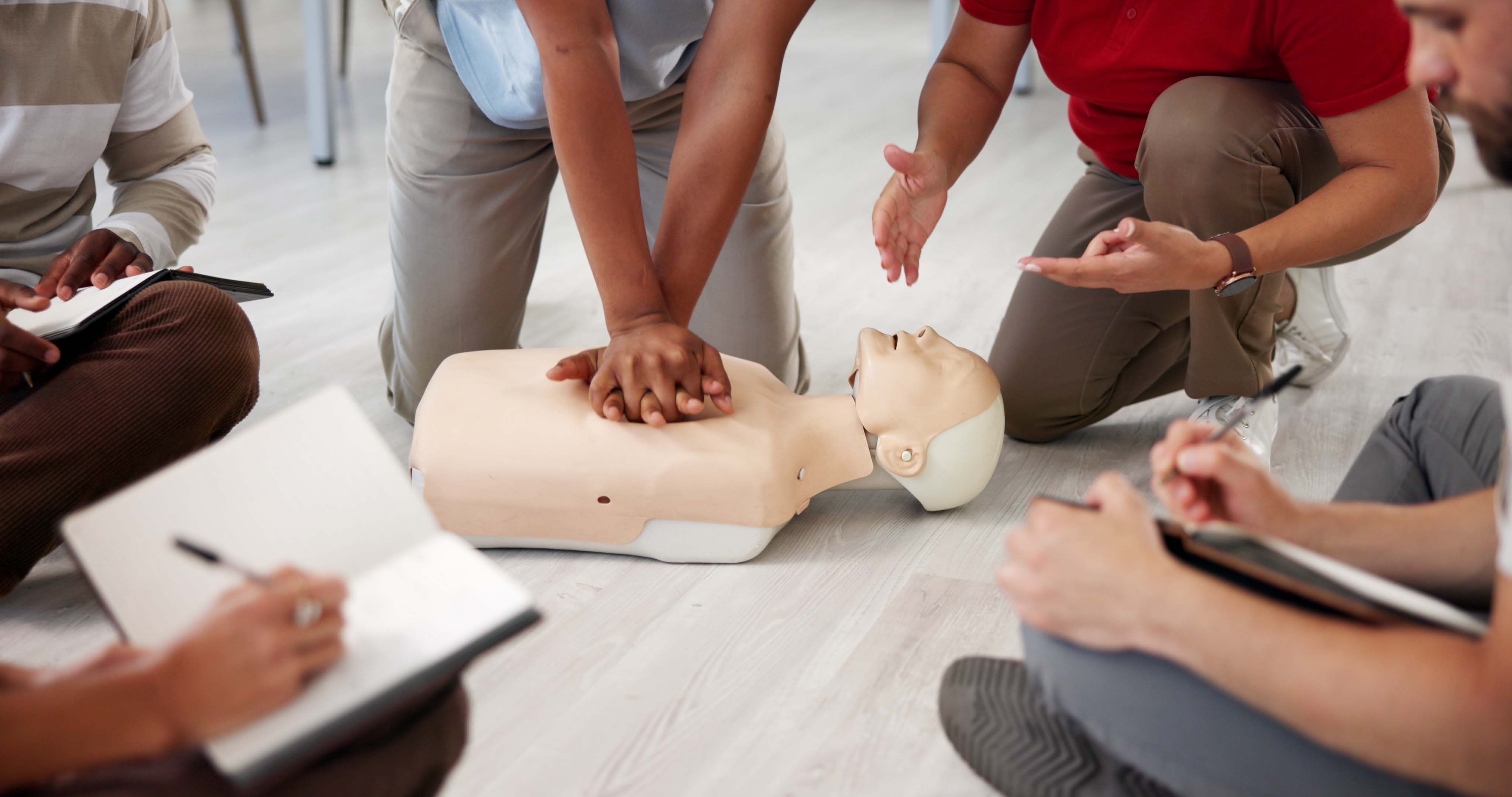
Myth 1: Only Professionals Should Perform CPR
One of the most common misconceptions is that only trained medical professionals should attempt CPR. In reality, anyone can and should perform CPR if they witness a cardiac arrest. Immediate action can double or even triple a victim’s chance of survival. Remember, doing something is better than doing nothing.
Myth 2: Mouth-to-Mouth is Always Required
While traditional CPR involves chest compressions combined with rescue breaths, recent guidelines emphasize the effectiveness of hands-only CPR for bystanders. In many cases, continuous chest compressions without mouth-to-mouth can maintain blood flow to the brain and heart until medical help arrives.
Debunking Fears and Misunderstandings
Fear of causing harm is another barrier preventing people from performing CPR. However, it’s important to understand that the benefits of attempting CPR far outweigh the risks. Broken ribs or bruising are possible, but these injuries are minor compared to the potential to save a life.
Myth 3: CPR is Ineffective Without Certification
Certification courses are valuable for learning CPR, but they are not a prerequisite for performing it in an emergency. Even brief training sessions or online tutorials can equip you with the necessary skills to help someone in need. The key is to act confidently and call emergency services as soon as possible.
Myth 4: CPR Always Restarts the Heart
CPR is not intended to restart the heart; rather, it maintains critical blood flow to the brain and organs. The primary goal is to preserve life until professional medical help can provide advanced care. Understanding this objective can help set realistic expectations and reduce hesitation.
Encouraging Widespread CPR Awareness
Increasing public awareness and understanding of CPR can make a significant impact on survival rates from cardiac arrest. By dispelling these myths, we can foster a community ready to act when every second counts. Encouraging friends, family, and colleagues to learn CPR is a simple yet powerful step toward saving lives.
In conclusion, CPR is a vital skill that should be widely embraced and practiced. Overcoming misconceptions and encouraging proactive education can transform bystanders into lifesavers, making a profound difference in emergency situations.