Debunking Common Myths About CPR: What You Need to Know


Understanding CPR: Separating Fact from Fiction
Cardiopulmonary resuscitation (CPR) is a crucial skill that can save lives. However, many misconceptions surround this life-saving technique. In this post, we aim to clear up some of the most common myths about CPR, empowering you with accurate information.
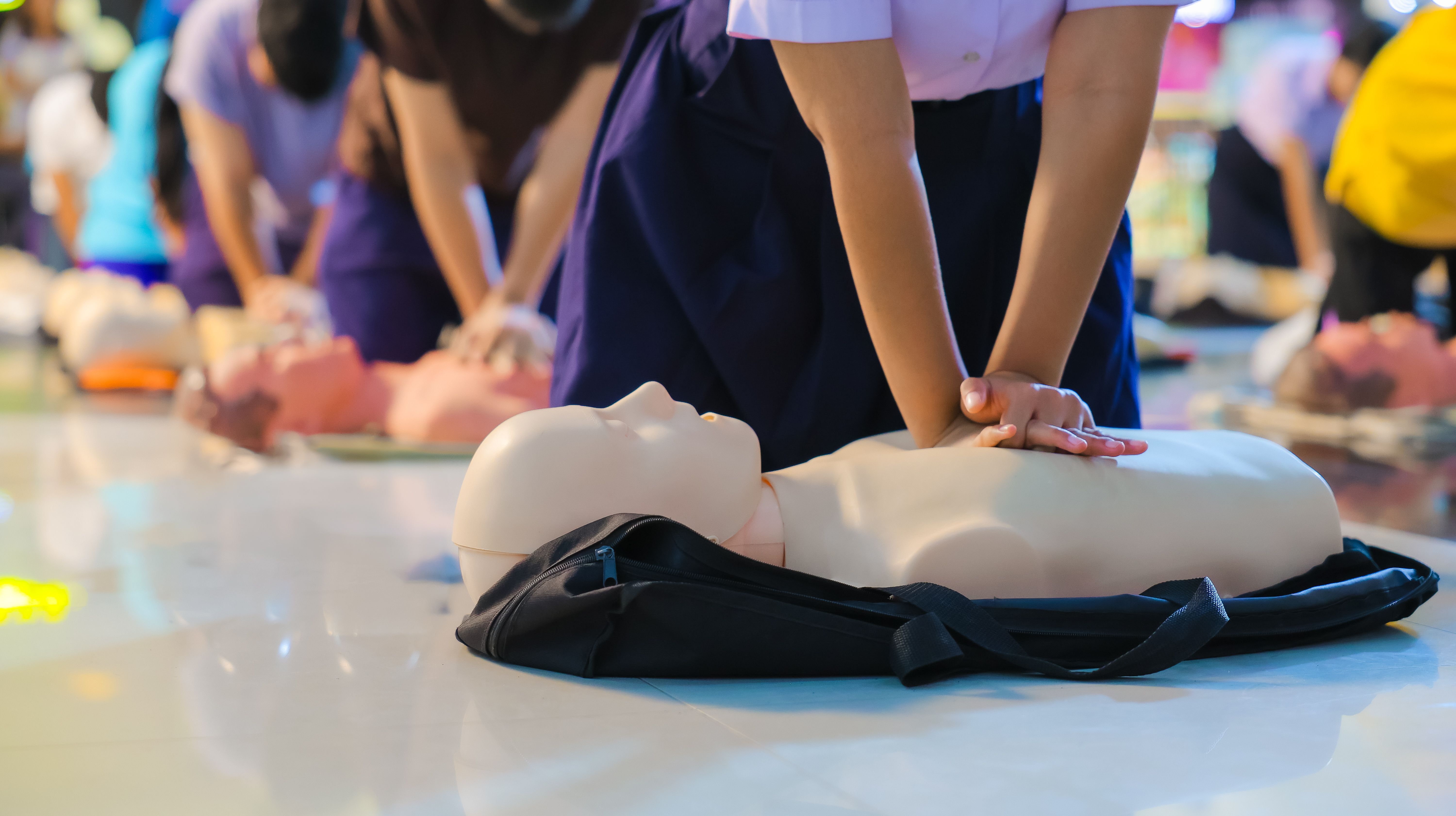
Myth 1: Only Professionals Can Perform CPR
A common belief is that only medical professionals can perform CPR effectively. In reality, anyone can learn and perform CPR with proper training. Many organizations offer courses that can teach you the skills needed to perform CPR correctly. Acting quickly and confidently can make a significant difference in an emergency.
It's important to remember that doing something is better than doing nothing. Even if you're not a professional, you can still provide essential assistance until help arrives.
Myth 2: CPR Should Only Be Performed If You're Certain
Another misconception is that CPR should only be administered if you're absolutely sure the person needs it. The truth is, if someone is unresponsive and not breathing, it's better to start CPR immediately. Waiting for certainty can waste precious time. The key is to act swiftly and call emergency services as soon as possible.
Myth 3: CPR Always Restarts the Heart
Many people believe that CPR is meant to restart the heart. However, CPR's primary function is to maintain blood flow to vital organs until advanced medical help can arrive. It can increase the chances of survival but is not guaranteed to restart the heart.
By maintaining circulation, CPR helps keep the brain and other organs alive, providing a better chance for recovery.
Myth 4: Mouth-to-Mouth Is Always Necessary
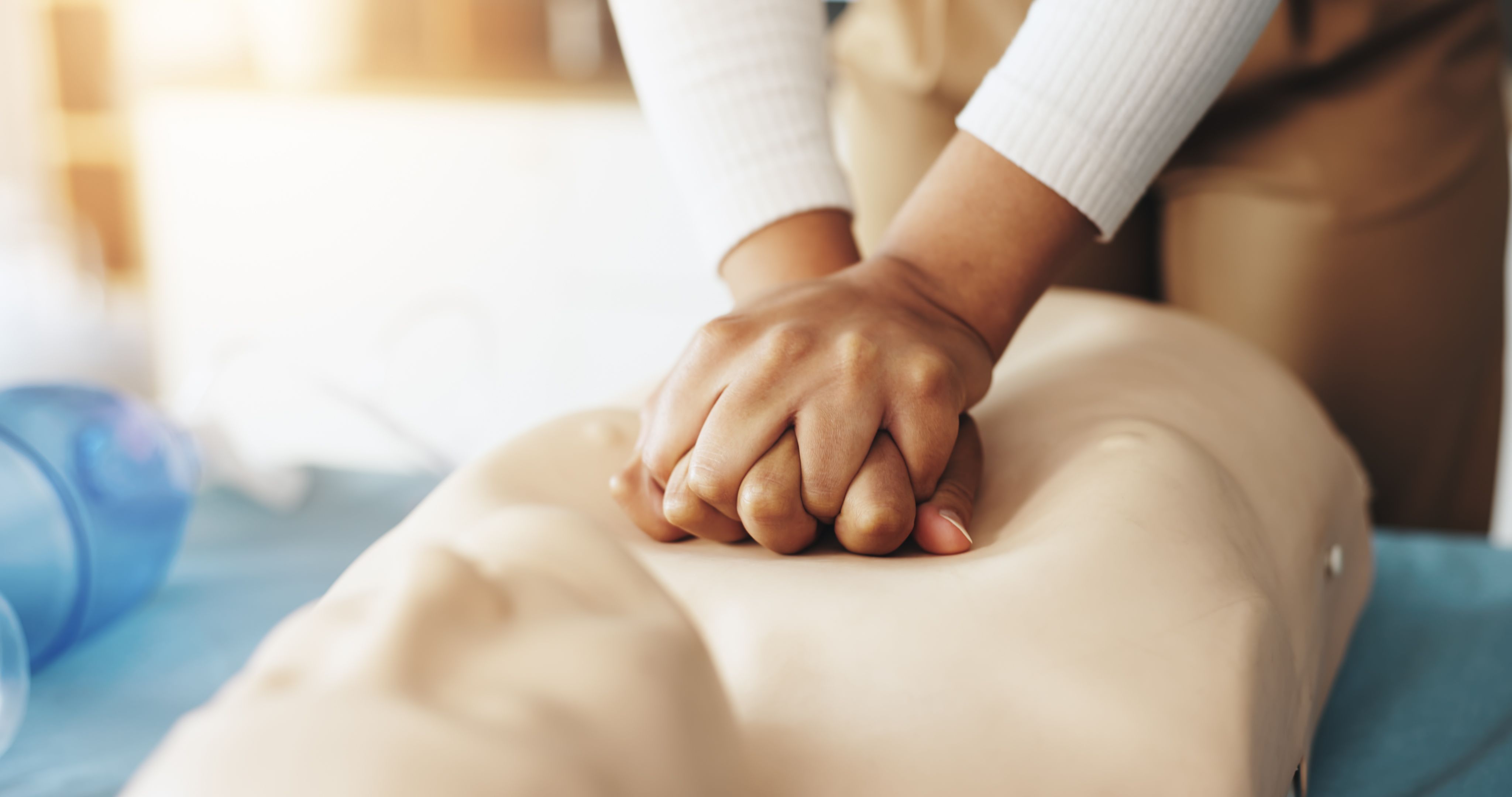
While traditional CPR involves chest compressions and rescue breaths, studies have shown that hands-only CPR can be effective for adult sudden cardiac arrest. This method focuses on continuous chest compressions and is easier for bystanders to perform, especially if they are untrained or uncomfortable with mouth-to-mouth.
Myth 5: CPR Can Cause More Harm Than Good
Some people worry that performing CPR might cause injury. While it's true that chest compressions can sometimes lead to broken ribs, the risk of injury is outweighed by the potential to save a life. The priority is to keep blood circulating and give the person a fighting chance.
Remember, doing nothing is far more harmful than attempting CPR, even if it might not be perfect.
Conclusion: Empowerment Through Knowledge
Understanding the realities of CPR can empower more people to act confidently in emergencies. By debunking these myths, we hope to encourage you to learn CPR and be prepared to help when it matters most. Every second counts, and your actions could be life-saving.
Consider enrolling in a CPR course today to equip yourself with the skills and confidence needed to make a difference. Knowledge is power, and in the case of CPR, it can be the power to save a life.