Debunking Common Myths About CPR and First Aid


Understanding CPR and First Aid: Separating Fact from Fiction
When it comes to life-saving techniques like CPR and first aid, misinformation can be incredibly dangerous. Many people hold misconceptions about these crucial skills, which can hinder their ability to effectively assist in an emergency. In this article, we'll debunk some common myths about CPR and first aid to ensure you're prepared to act confidently when it matters most.
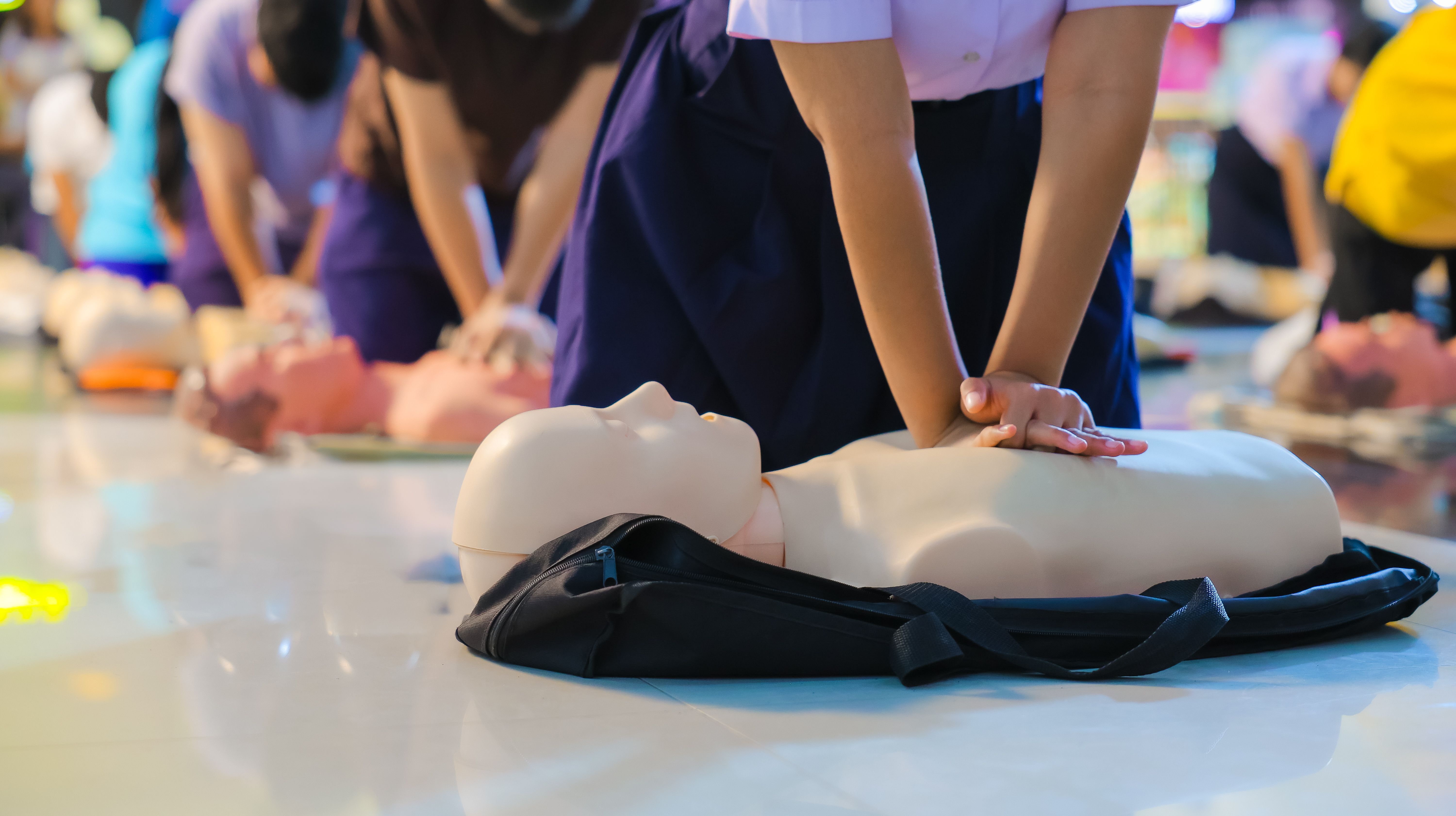
Myth 1: CPR Is Only for Medical Professionals
One of the most pervasive myths is that CPR should only be performed by trained medical professionals. In reality, anyone can learn and perform CPR. The American Heart Association emphasizes that bystander CPR can double or even triple a victim's chance of survival. The key is to focus on providing chest compressions at a steady rhythm, even if you're not formally trained.
CPR training sessions are widely available for the general public and often take just a few hours to complete. These courses teach you the basics of chest compressions and rescue breaths, empowering you to take action during a critical moment. Remember, performing CPR is better than doing nothing at all.
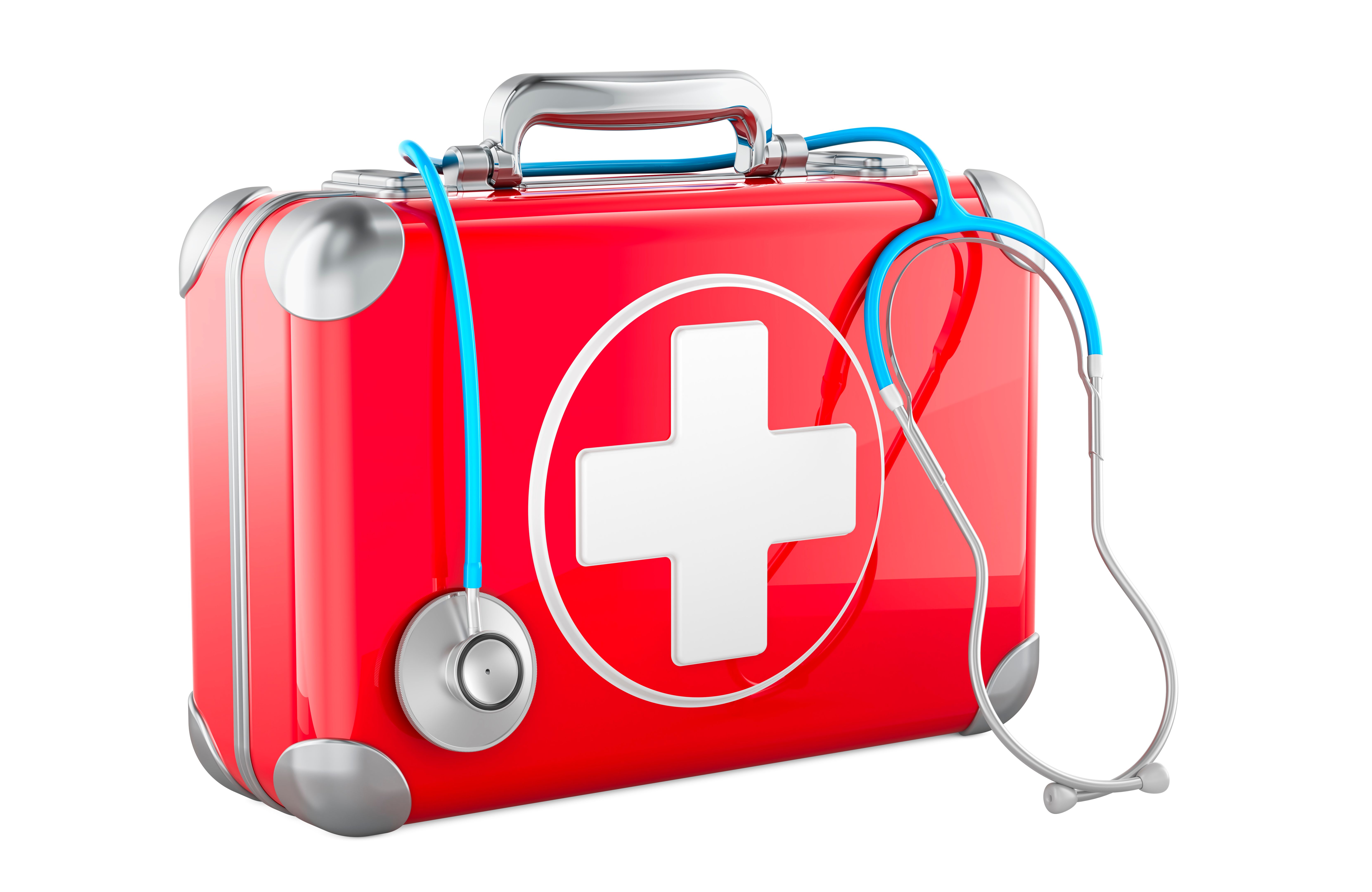
Myth 2: You Can Hurt Someone by Performing CPR
Another common concern is that performing CPR might cause harm, such as breaking ribs. While it's true that chest compressions can sometimes result in injuries, the alternative—doing nothing—can be far worse. The goal of CPR is to maintain blood flow to vital organs until professional help arrives, potentially saving the person's life.
It's important to push hard and fast in the center of the chest, approximately two inches deep for adults. This level of pressure ensures that blood continues to circulate effectively. In emergency situations, preserving life takes precedence over the potential for minor injuries.
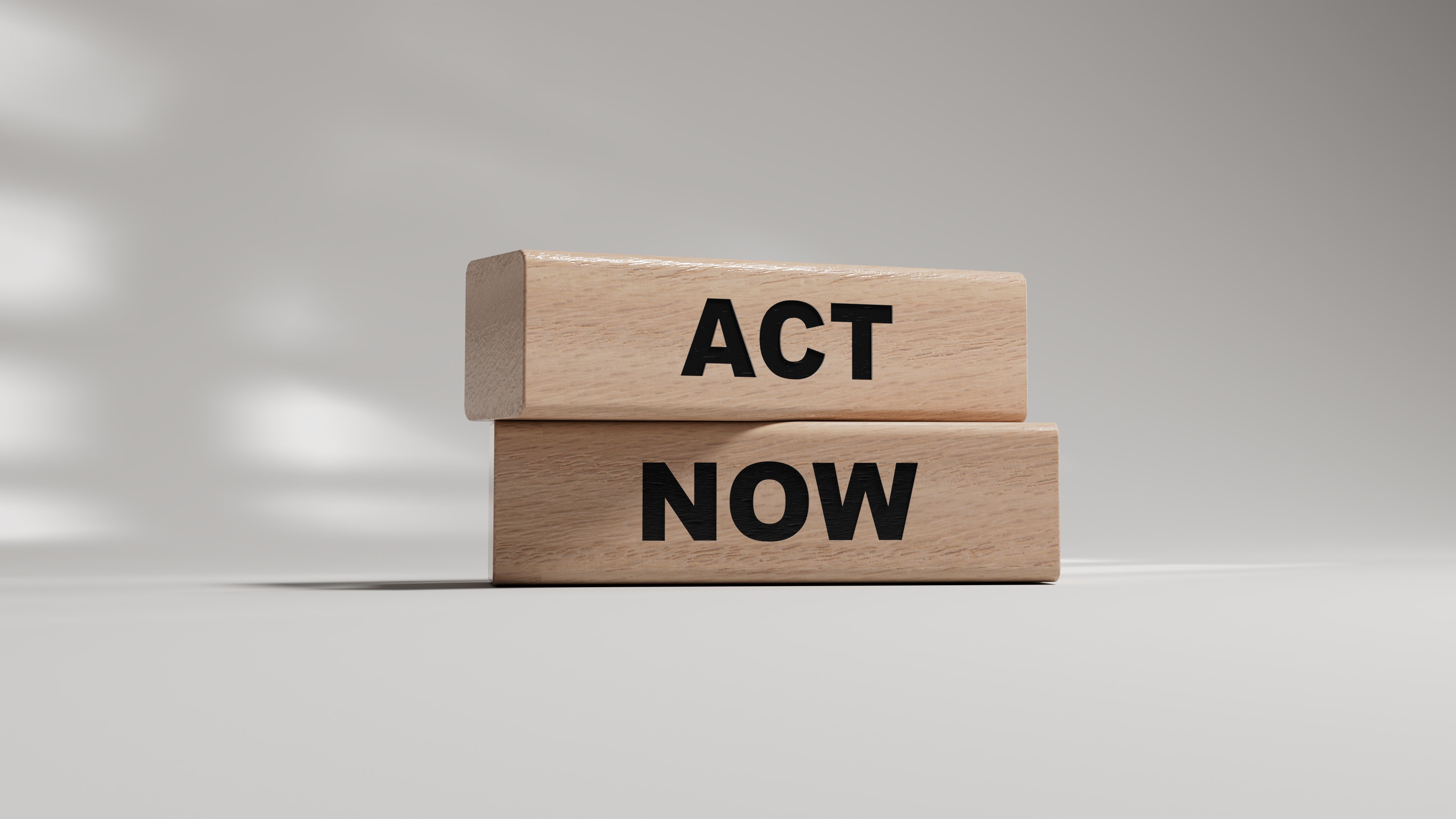
Myth 3: First Aid Kits Are Only for Serious Emergencies
Many people assume that a first aid kit is only necessary for significant injuries or emergencies. However, first aid kits are incredibly useful for everyday minor injuries, such as cuts, scrapes, and burns. Having a well-stocked kit at home and in your car ensures that you're prepared to handle these situations promptly and effectively.
Basic first aid knowledge can help you address minor injuries before they become more serious. For instance, cleaning and dressing a wound properly can prevent infection, while knowing how to apply a cold compress can reduce swelling from a sprain.
Myth 4: You Need Expensive Equipment for First Aid
There's a misconception that effective first aid requires costly equipment. In truth, most first aid kits contain affordable items that can be purchased at any drugstore. Essential items include bandages, antiseptic wipes, adhesive tape, scissors, and pain relievers.
Creating your own first aid kit can be a cost-effective way to ensure you have everything you need. It's also beneficial to periodically check your kit to replace expired items and replenish supplies that have been used.
The Importance of Staying Informed
Understanding the facts about CPR and first aid is crucial for anyone who might find themselves in an emergency situation—which could be any of us at any time. By dispelling these myths, we hope to encourage more people to learn these life-saving skills and feel confident using them.
Consider enrolling in a local CPR or first aid course to gain firsthand experience and knowledge. These skills not only boost your confidence but also empower you to make a significant difference when faced with an emergency. Remember, being prepared can save lives.