Debunking Common Myths About CPR and First Aid


Understanding CPR and First Aid Myths
When it comes to CPR and first aid, there are numerous myths that often cloud people's understanding of these crucial skills. Dispelling these myths is essential for ensuring that individuals are prepared to act effectively in emergency situations. In this post, we will debunk some of the most common misconceptions surrounding CPR and first aid.
Myth 1: CPR Always Restarts the Heart
A widespread myth is that performing CPR will restart a stopped heart. In reality, CPR is designed to maintain vital blood flow to the brain and heart. While it's not a guarantee to restart the heart, it increases the chances of survival by keeping oxygenated blood circulating until advanced medical help arrives.
Understanding that CPR is a temporary measure can encourage more people to take action without hesitation. It's crucial to remember that every second counts, and performing CPR can make a significant difference in an emergency.
Myth 2: Only Trained Professionals Can Perform First Aid
Many people believe that first aid should only be administered by trained professionals. However, anyone can learn basic first aid techniques and apply them effectively. Basic first aid skills such as stopping bleeding, treating burns, or stabilizing fractures can be learned through community courses or online resources.

It's important to empower individuals to take initiative during emergencies, as immediate assistance can often prevent a situation from worsening. Encouraging widespread first aid training can save lives and reduce the severity of injuries.
Myth 3: You Can Do More Harm Than Good
A common fear is that attempting first aid or CPR might cause more harm than good. While it's natural to worry about making mistakes, inaction can be far more detrimental. Providing assistance, even imperfectly, is better than not helping at all.
Remember that the primary goal is to stabilize the victim until professional help arrives. By acting swiftly and confidently, you can offer crucial support in a time of need.

Myth 4: CPR Is Only for Adults
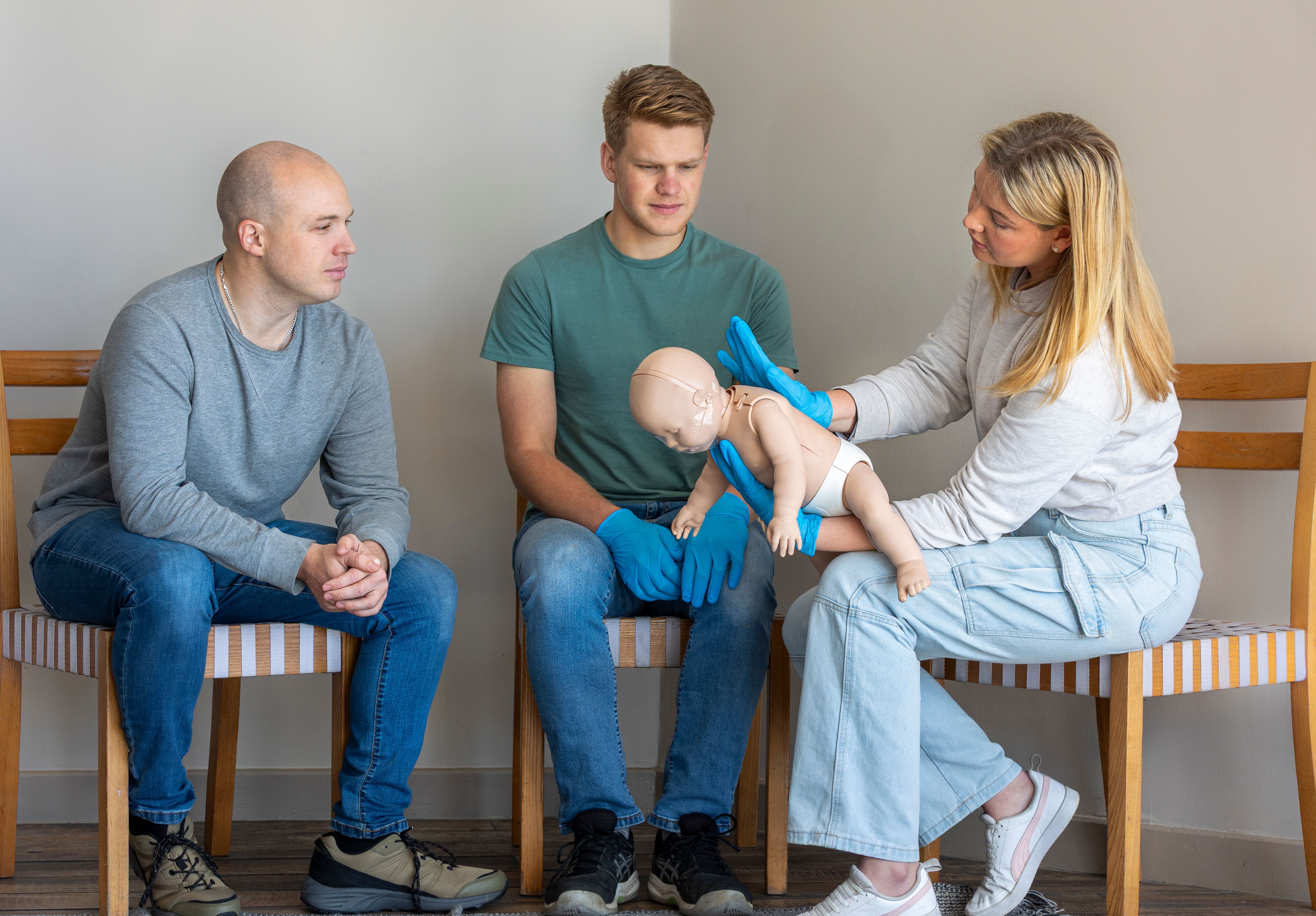
Another misconception is that CPR is solely for adults suffering from cardiac arrest. In fact, children and infants can also benefit from CPR. The technique varies slightly for different age groups, but the underlying principle remains the same: to maintain blood flow and oxygenation.
Parents and caregivers should familiarize themselves with child-specific CPR techniques to be prepared for emergencies involving younger family members.
Conclusion: Empowering Through Knowledge
By debunking these myths about CPR and first aid, we aim to empower more individuals to step forward during emergencies. Understanding the truth about these lifesaving techniques can build confidence and encourage proactive responses when they are most needed.
Consider enrolling in a local CPR and first aid course to gain hands-on experience and knowledge. Being prepared not only helps protect your loved ones but also contributes to the safety and well-being of your community.