Debunking Common Myths About CPR and First Aid Training


Understanding CPR and First Aid Training
Cardiopulmonary resuscitation (CPR) and first aid training are vital skills that can save lives during emergencies. Despite their importance, several myths surround these lifesaving techniques. This post aims to debunk some of the most common misconceptions.
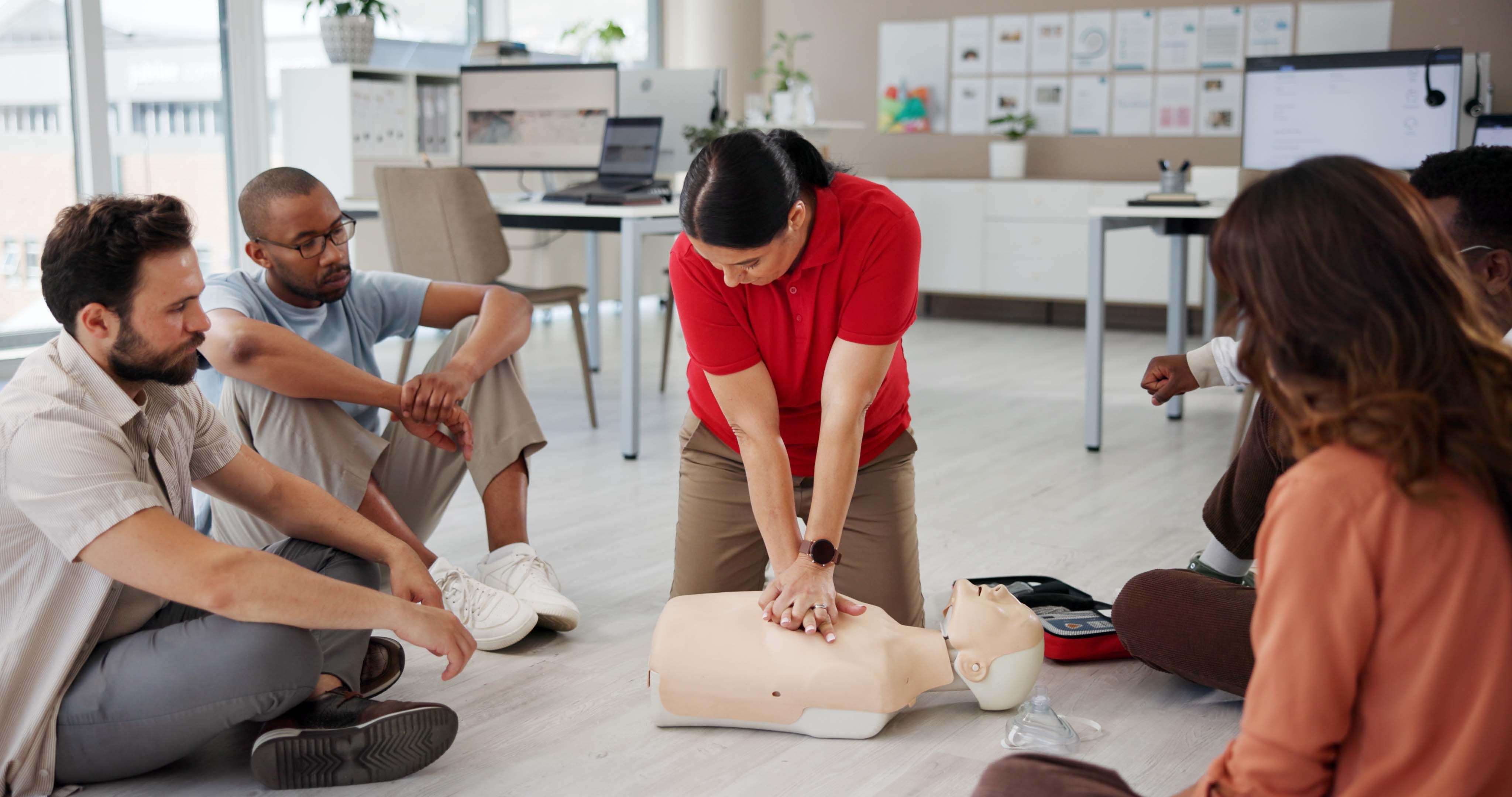
Myth 1: CPR is Only for Medical Professionals
One widespread myth is that CPR should only be performed by medical professionals. In reality, anyone can learn CPR and potentially save a life. Most CPR courses are designed for laypeople, and the skills taught are straightforward and easy to learn.
The American Heart Association and other organizations offer courses that equip individuals with the necessary skills. By learning CPR, you can be a crucial link in the chain of survival during cardiac emergencies.
Myth 2: First Aid Kits Are Unnecessary
Some people believe that first aid kits are only needed in remote areas or high-risk environments. However, accidents can happen anywhere and having a first aid kit on hand is essential. A well-stocked kit can help manage minor injuries and stabilize more severe conditions until professional help arrives.
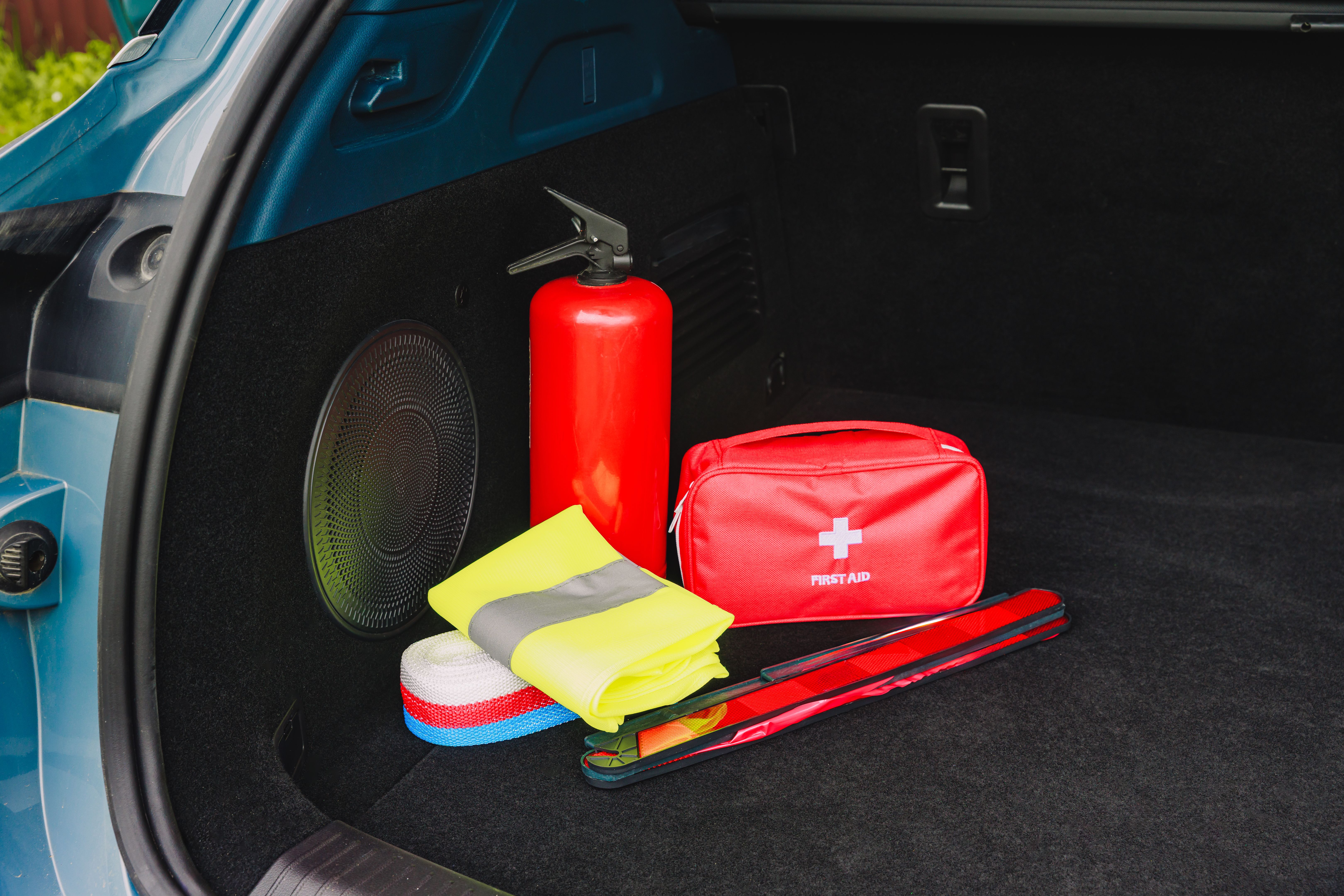
It's important to regularly check and restock your first aid kit to ensure you're always prepared. Items like bandages, antiseptic wipes, and pain relievers are basic essentials that should be included.
Myth 3: You Can’t Make a Difference
Many people think that their actions won’t significantly impact an emergency situation. This couldn't be further from the truth. Immediate action can double or even triple a victim’s chance of survival in cases like cardiac arrest.
By performing CPR or administering first aid, you can maintain blood flow to vital organs and potentially prevent further injury or deterioration. Your intervention can be the deciding factor in a life-or-death situation.
Myth 4: CPR Always Restarts the Heart
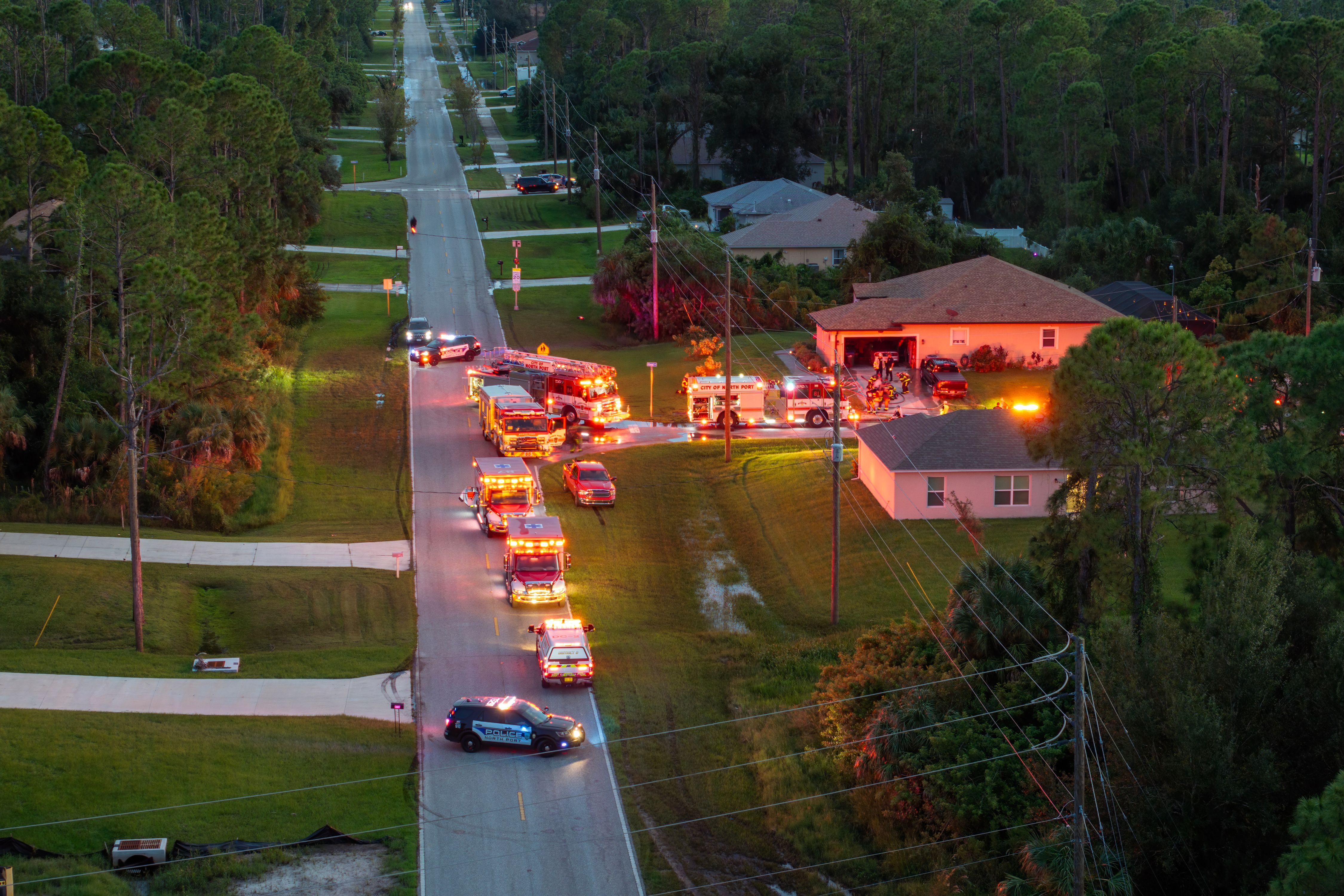
Another common myth is that CPR is guaranteed to restart the heart. While CPR is crucial, its main purpose is to maintain blood flow to the brain and organs until advanced medical help is available.
CPR is a critical component of the resuscitation process, but it is often used in conjunction with other medical interventions like defibrillation, which may be necessary to restore a normal heart rhythm.
Conclusion
Understanding the realities of CPR and first aid training empowers individuals to act confidently in emergencies. By dispelling these myths, we can encourage more people to learn these invaluable skills. Remember, your knowledge and quick response can save lives, making you an essential part of your community's safety network.