Debunking Common Myths About First Aid and CPR Training


Unveiling Truths Behind First Aid and CPR Training
First aid and CPR training are crucial skills that can make a difference in emergency situations. However, various myths surround these essential practices, often deterring people from learning them. Let's explore and debunk some common misconceptions.
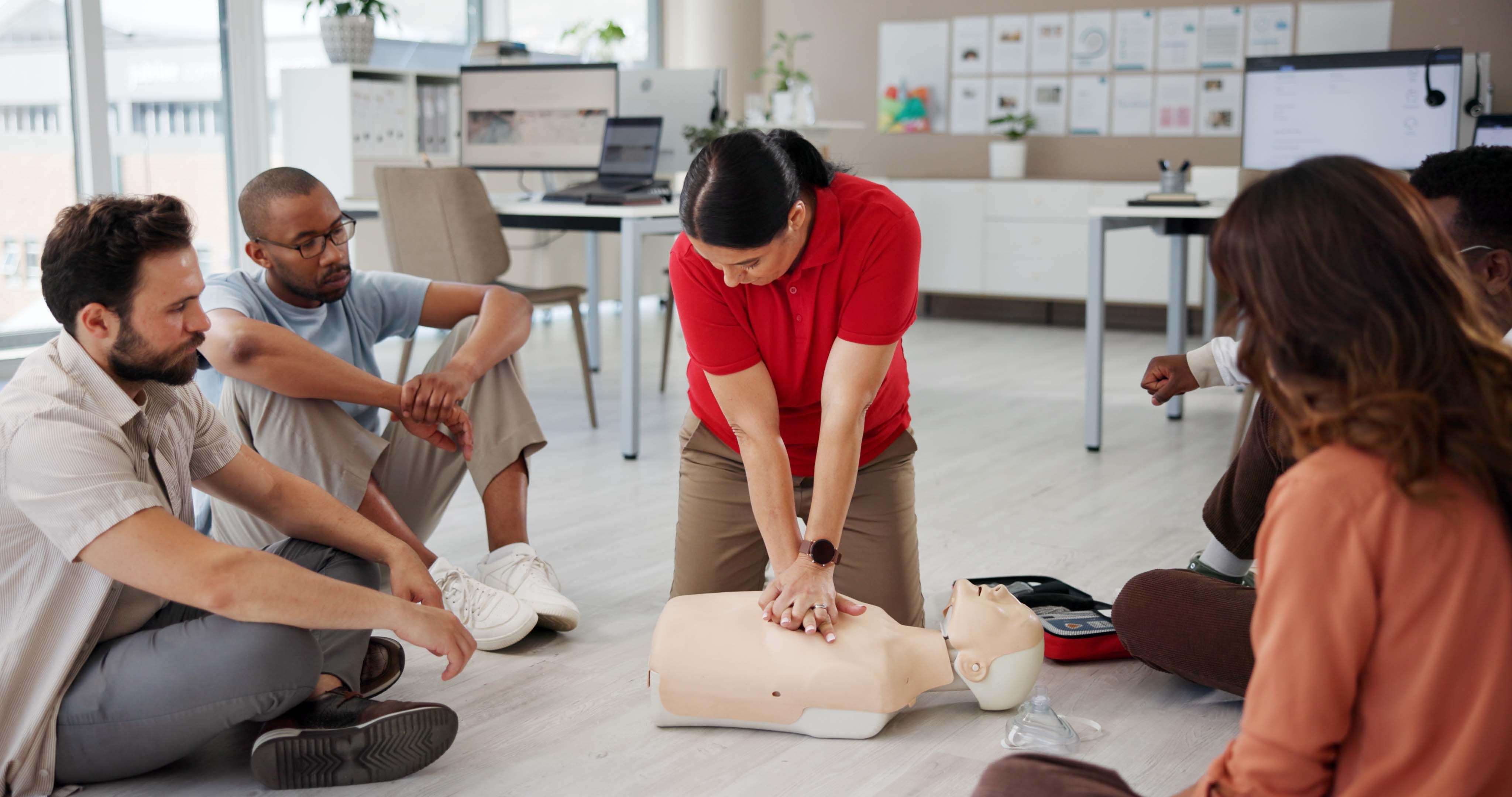
Myth 1: First Aid and CPR Training Are Time-Consuming
Many believe that acquiring first aid and CPR skills requires extensive time commitment. In reality, most courses can be completed in just a few hours. Organizations offer flexible schedules, including weekend and online classes, making it easier for everyone to participate.
The benefits of investing a few hours in these courses far outweigh the time spent. Not only do you gain valuable skills, but you also earn certifications that can be useful in various situations, both personal and professional.
Myth 2: Only Healthcare Professionals Need Training
Another common myth is that only doctors, nurses, or paramedics need to know first aid and CPR. This misconception undermines the importance of these skills for everyone. Emergencies can happen anywhere, and having a basic understanding can empower individuals to act confidently.
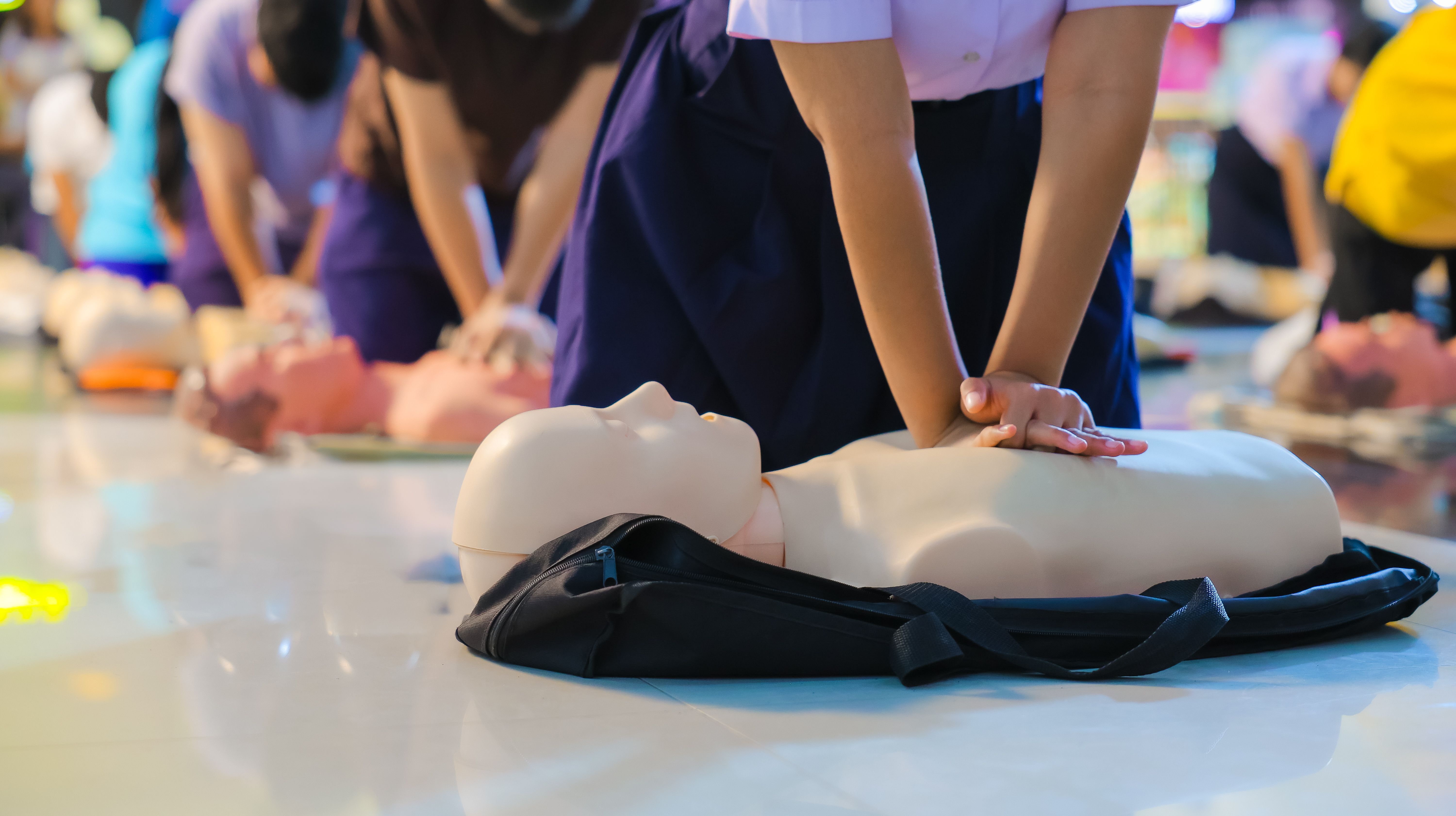
Whether at home, work, or in public places, being prepared can save lives. First aid and CPR knowledge is an asset for parents, teachers, coaches, and anyone who interacts with people regularly.
Myth 3: CPR Is Too Complicated for the Average Person
CPR might seem daunting at first, but modern training techniques simplify the process significantly. Courses now focus on practical, hands-on learning, ensuring participants can perform CPR effectively and confidently.
Instructors use clear, step-by-step methods to teach compression techniques and rescue breaths, making it accessible for anyone willing to learn. With practice, CPR becomes a straightforward and manageable skill.
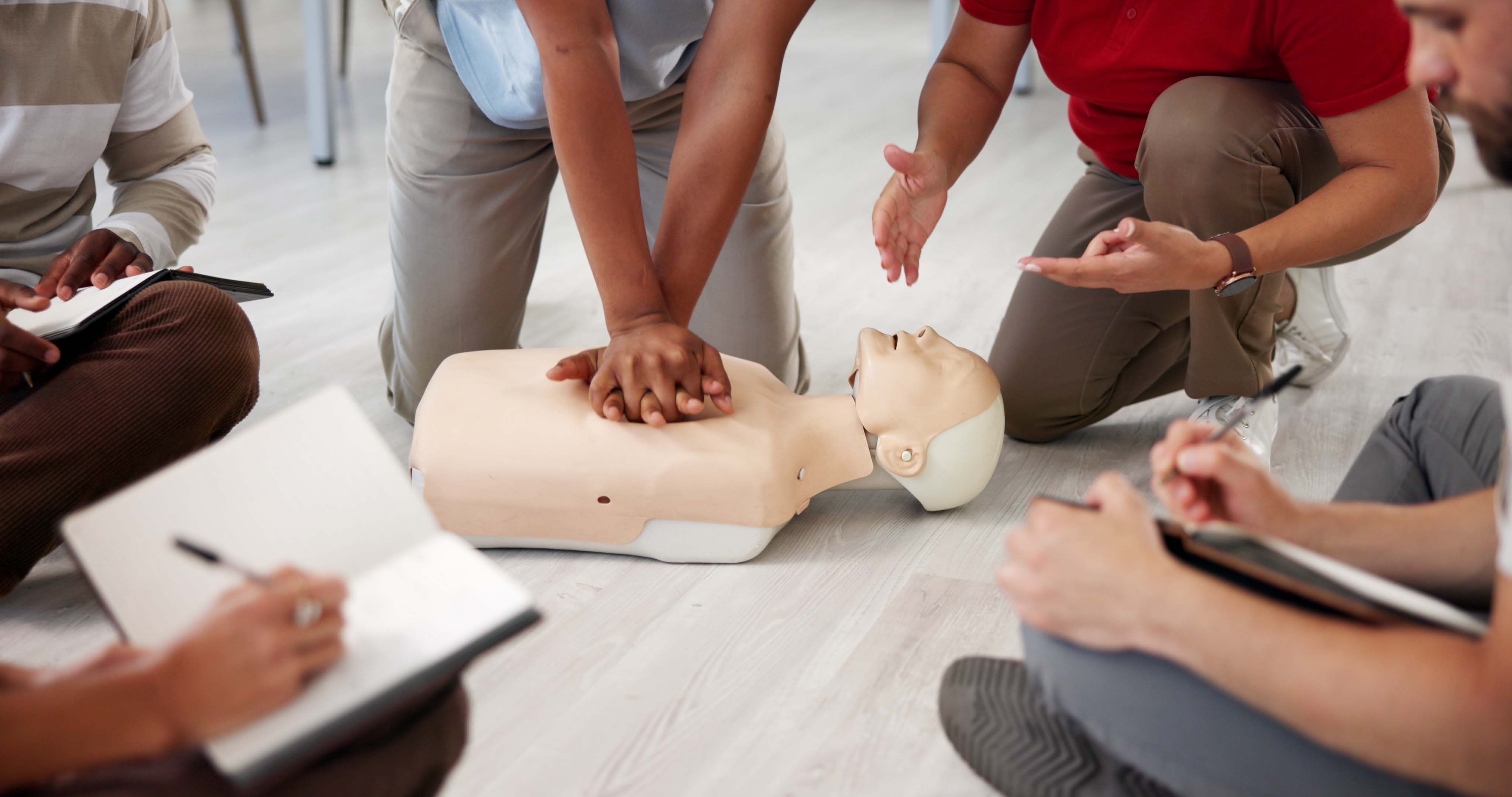
Myth 4: First Aid Kits Are Enough Without Training
While having a first aid kit is essential, it is not a substitute for proper training. Kits provide the tools necessary for initial care, but knowing how to use those tools correctly is crucial. Training offers the knowledge to assess situations and apply the right techniques.
Understanding the purpose and application of each item in a first aid kit can enhance your ability to respond effectively in emergencies. This knowledge transforms a simple kit into a powerful resource.
Myth 5: Certification Is a One-Time Requirement
Some people think that once they complete their training, they are set for life. However, regular re-certification is crucial to keep skills sharp and up-to-date with the latest guidelines. Training organizations recommend renewing certifications every two years to maintain proficiency.
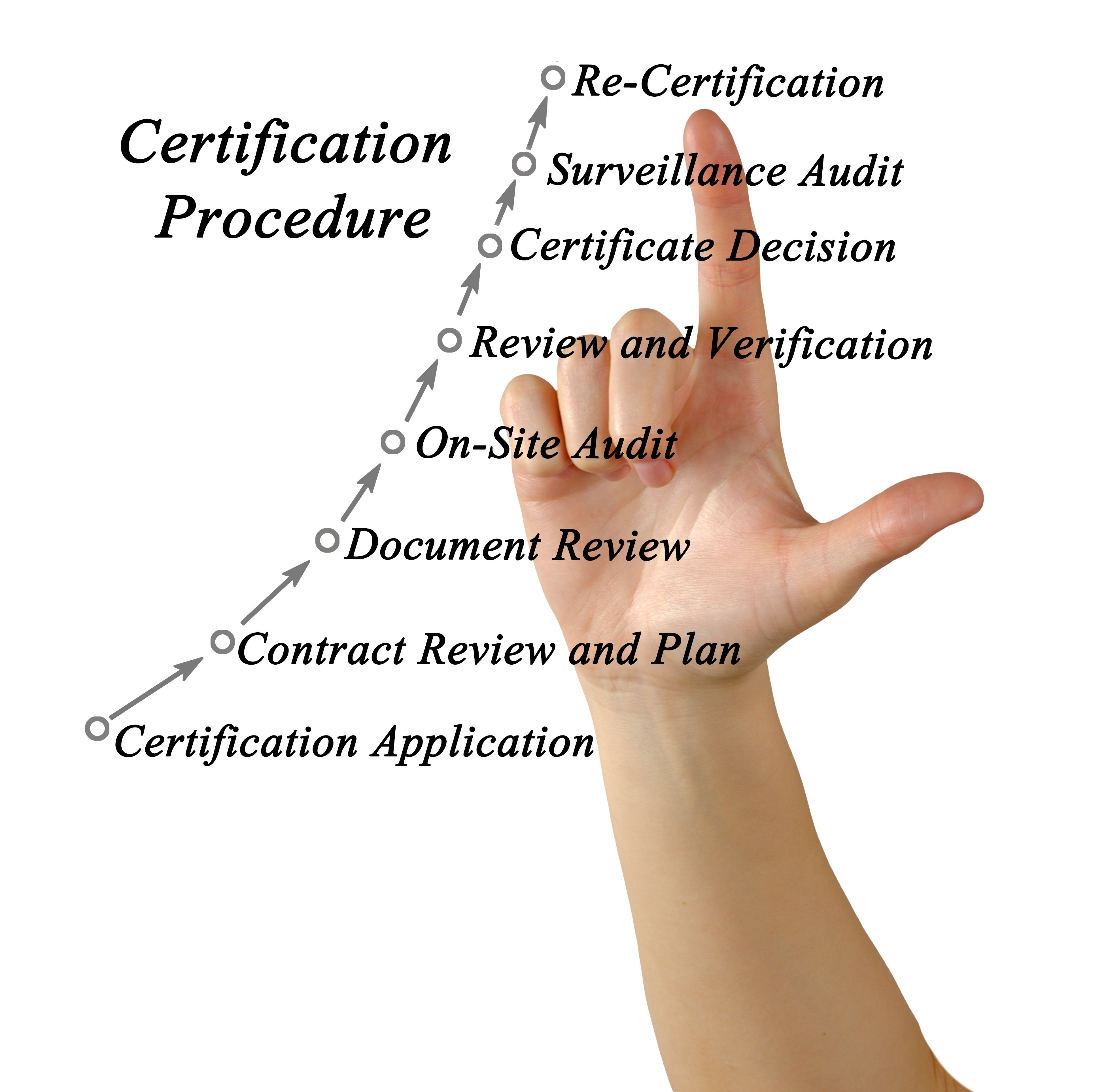
Ongoing education ensures that you remain confident in your abilities and aware of any changes in protocols, ultimately enhancing your capacity to respond in emergencies.
By understanding and addressing these myths, we can encourage more people to pursue first aid and CPR training. These skills are not only invaluable but also widely accessible, empowering individuals to make a difference in their communities.