Debunking CPR Myths: What You Really Need to Know


Understanding CPR: The Basics
Cardiopulmonary resuscitation (CPR) is a crucial skill that can save lives in emergencies. However, many myths surround this life-saving technique, leading to confusion and hesitation. Let's debunk some common misconceptions and clarify what you really need to know about CPR.
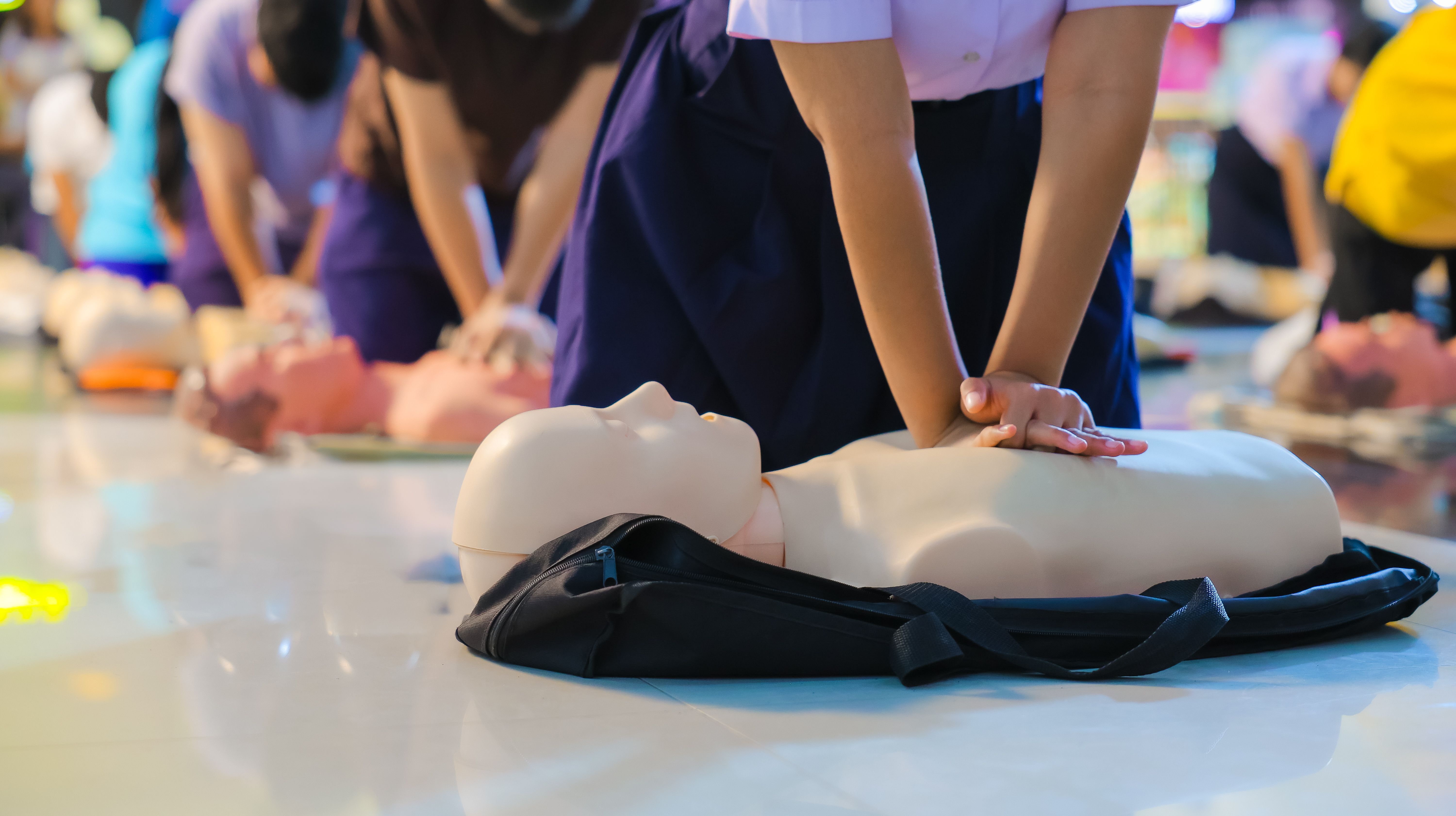
Myth 1: Only Professionals Can Perform CPR
One of the most persistent myths about CPR is that it should only be performed by medical professionals. In reality, anyone can learn and perform CPR. Many organizations offer courses that teach the basics, enabling everyday people to act confidently in emergencies. Quick intervention can double or even triple a victim's chance of survival.
Myth 2: CPR Always Involves Mouth-to-Mouth
While traditional CPR involves both chest compressions and rescue breaths, the guidelines have evolved. For untrained bystanders, hands-only CPR, which focuses solely on chest compressions, is recommended. This method is easier to perform and encourages more people to take action without hesitation.
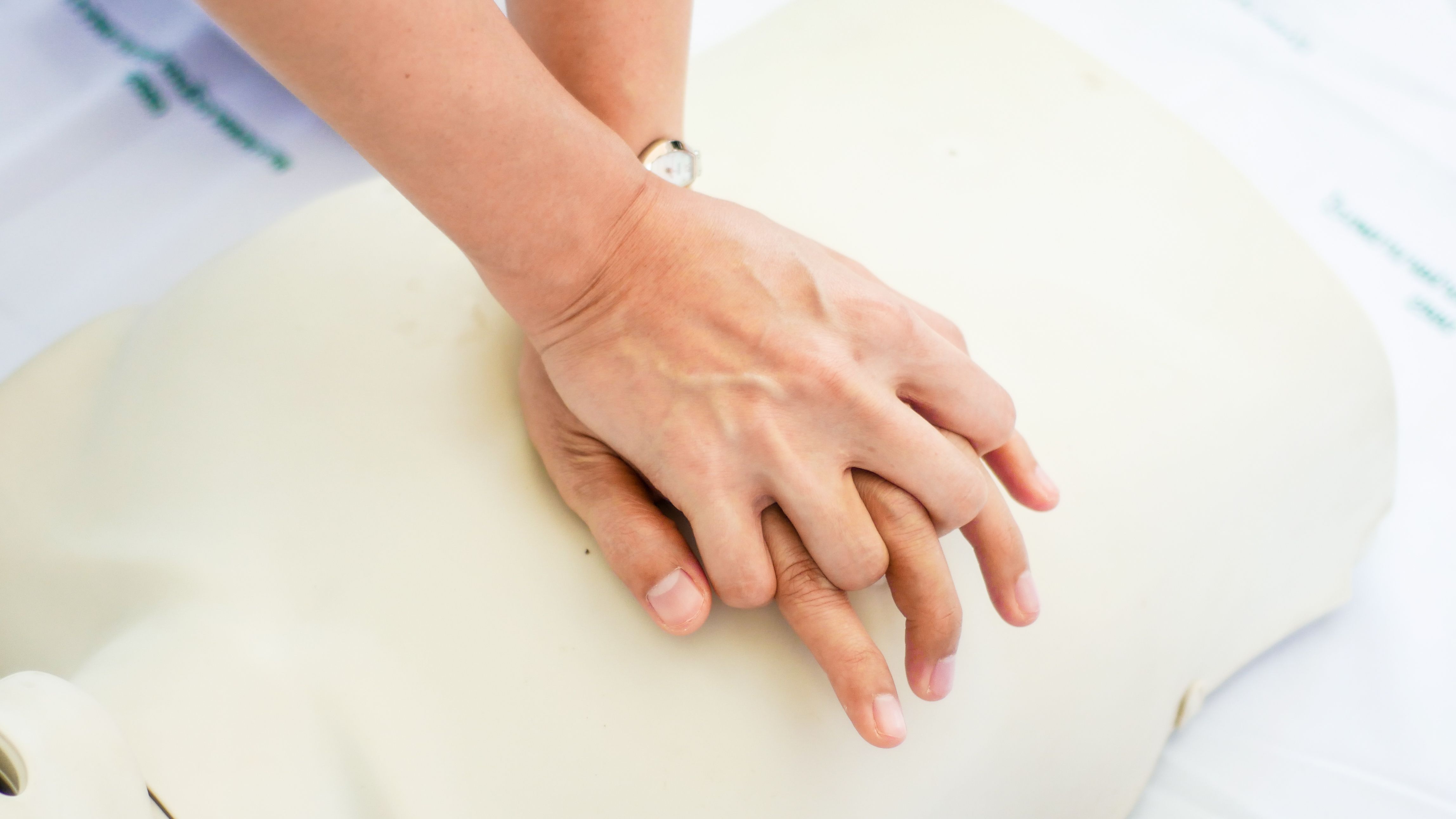
Common Misconceptions About CPR
Misunderstandings can lead to reluctance in administering CPR. Here are some other misconceptions that need clarification:
- CPR is likely to cause harm: Some people worry about causing injury, but the risk of harm is minimal compared to the potential to save a life.
- CPR is only for adults: CPR is vital for children and infants as well, though techniques vary slightly. Training courses cover these differences in detail.
Myth 3: CPR Is Ineffective Without an AED
Automated External Defibrillators (AEDs) are valuable in conjunction with CPR, but they are not always necessary. CPR alone can maintain blood flow to vital organs until professional help arrives. If an AED is available, it should be used, but don't wait for one to start performing CPR.
Myth 4: CPR Must Be Perfect to Work
Many hesitate to perform CPR out of fear of doing it incorrectly. However, imperfect CPR is better than no CPR at all. The critical factor is to start as soon as possible. The more people who understand this, the better the chances of survival for cardiac arrest victims.
Conclusion: Empowering More People to Act
By debunking these myths, we can encourage more individuals to learn and perform CPR confidently. Being prepared to act in an emergency is a powerful way to make a difference. Consider enrolling in a CPR course today and empower yourself to save a life.