Debunking Myths: Common Misconceptions About CPR Certification


Understanding CPR Certification
Cardiopulmonary Resuscitation (CPR) is a crucial skill that can save lives. However, misconceptions about CPR certification often deter individuals from pursuing it. In this blog post, we aim to debunk these myths and encourage more people to become certified.
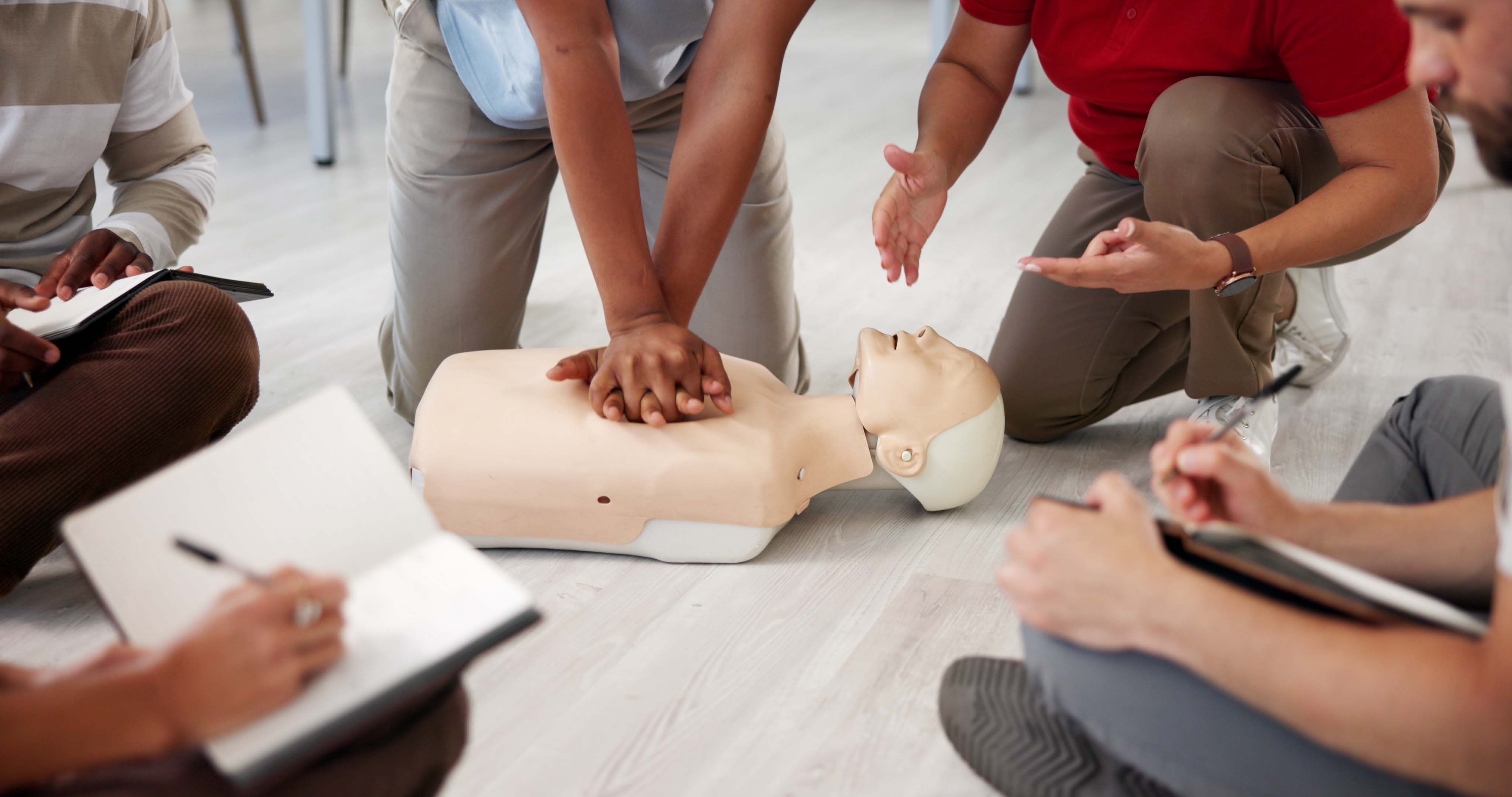
Myth 1: CPR Certification Is Only for Medical Professionals
A common misconception is that only doctors, nurses, or paramedics need CPR certification. While healthcare professionals are required to have this training, it's equally important for the general public. Emergencies can happen anywhere, and immediate response by a bystander can significantly increase the chances of survival.
In fact, many certification courses are designed specifically for laypeople, providing them with the skills and confidence to act in critical situations. Schools, workplaces, and community centers often offer these courses to ensure that more people are prepared to respond effectively in emergencies.
Myth 2: CPR Certification Takes Too Much Time and Effort
Another myth is that getting certified in CPR requires a significant time commitment and is overly complicated. In reality, basic CPR certification can often be completed in just a few hours. Many organizations offer flexible scheduling options, including weekend or evening classes, to accommodate busy lifestyles.
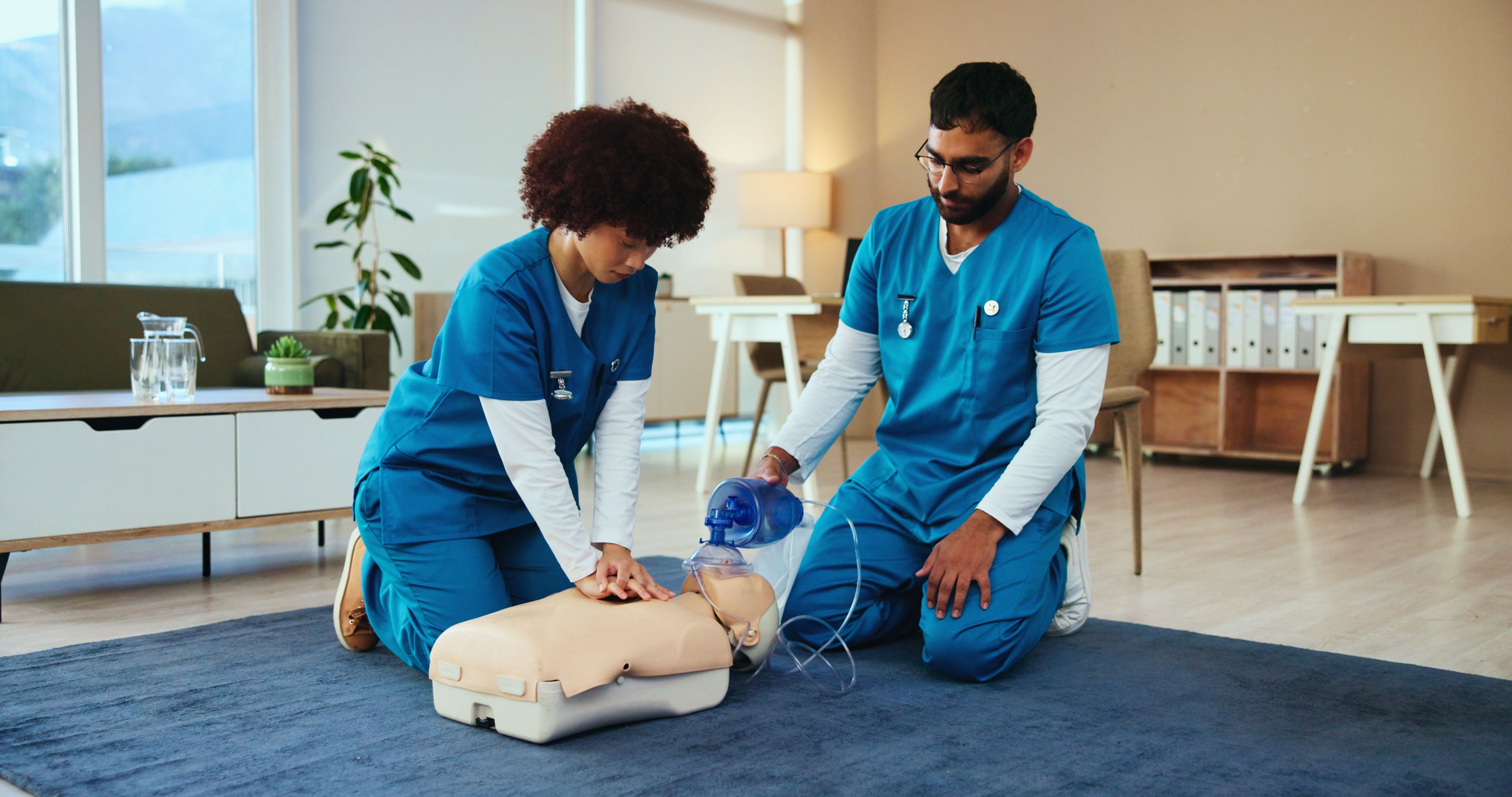
The curriculum typically includes both classroom instruction and hands-on practice, ensuring that participants leave with a thorough understanding of the techniques. Online courses are also available, allowing individuals to learn at their own pace before attending an in-person session for practical skills assessment.
Myth 3: CPR Certification Is Too Expensive
Cost is another barrier that prevents many from pursuing CPR certification. However, numerous organizations provide affordable training options. Some even offer free courses or scholarships for those in financial need. Additionally, many workplaces sponsor CPR training for their employees as part of their health and safety programs.
The investment in CPR training is minimal compared to the invaluable ability to save a life. It’s worth exploring local resources or employer-sponsored programs to find budget-friendly options.
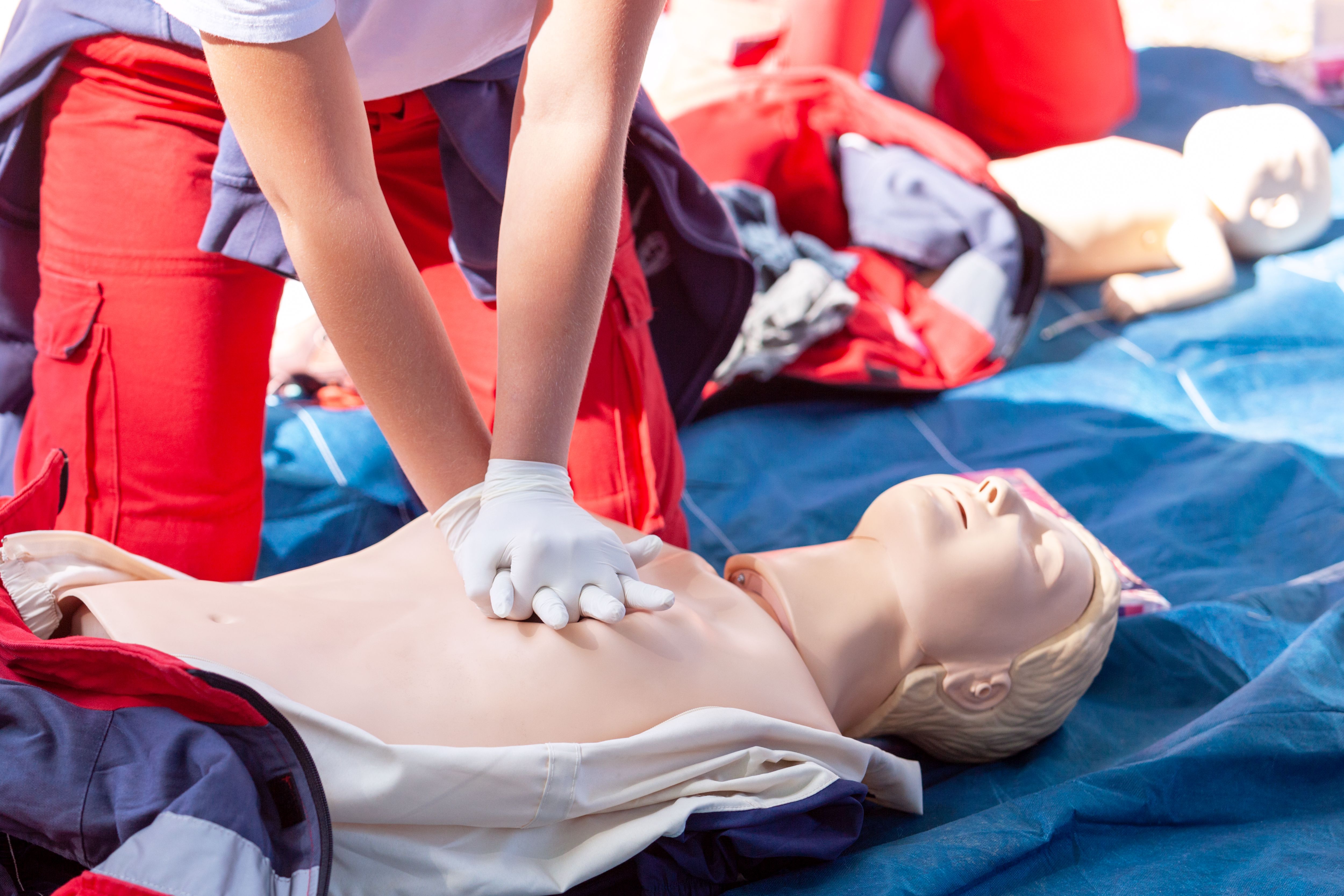
Myth 4: You Need to Be Physically Strong to Perform CPR
Some people believe that only those who are physically strong can perform CPR effectively. This is not true. While performing chest compressions does require some physical effort, the technique focuses on using body weight rather than muscle power alone.
CPR courses teach participants how to use proper body mechanics to maximize effectiveness while minimizing personal strain. Regardless of age or physical condition, anyone can learn how to perform CPR correctly and confidently.
The Importance of Debunking These Myths
By dispelling these myths, more people may be encouraged to pursue CPR certification. The more individuals equipped with this life-saving skill, the greater the likelihood of positive outcomes in emergencies. Empower yourself with the knowledge and ability to make a difference when it truly matters.