Debunking Myths About Life Support Education and CPR


Understanding Life Support Education
Life support education is a critical component of emergency medical training, yet it remains shrouded in myths that can deter individuals from participating. One of the most common misconceptions is that life support education is only for healthcare professionals. In reality, anyone can learn these vital skills and make a difference in emergency situations.
The basic life support (BLS) course, for example, is designed to teach essential skills such as CPR and the use of an automated external defibrillator (AED). These are not only manageable for laypersons to learn, but they also significantly increase the survival rates of cardiac arrest victims. Understanding that these skills are accessible to everyone helps demystify the process and encourages broader participation.
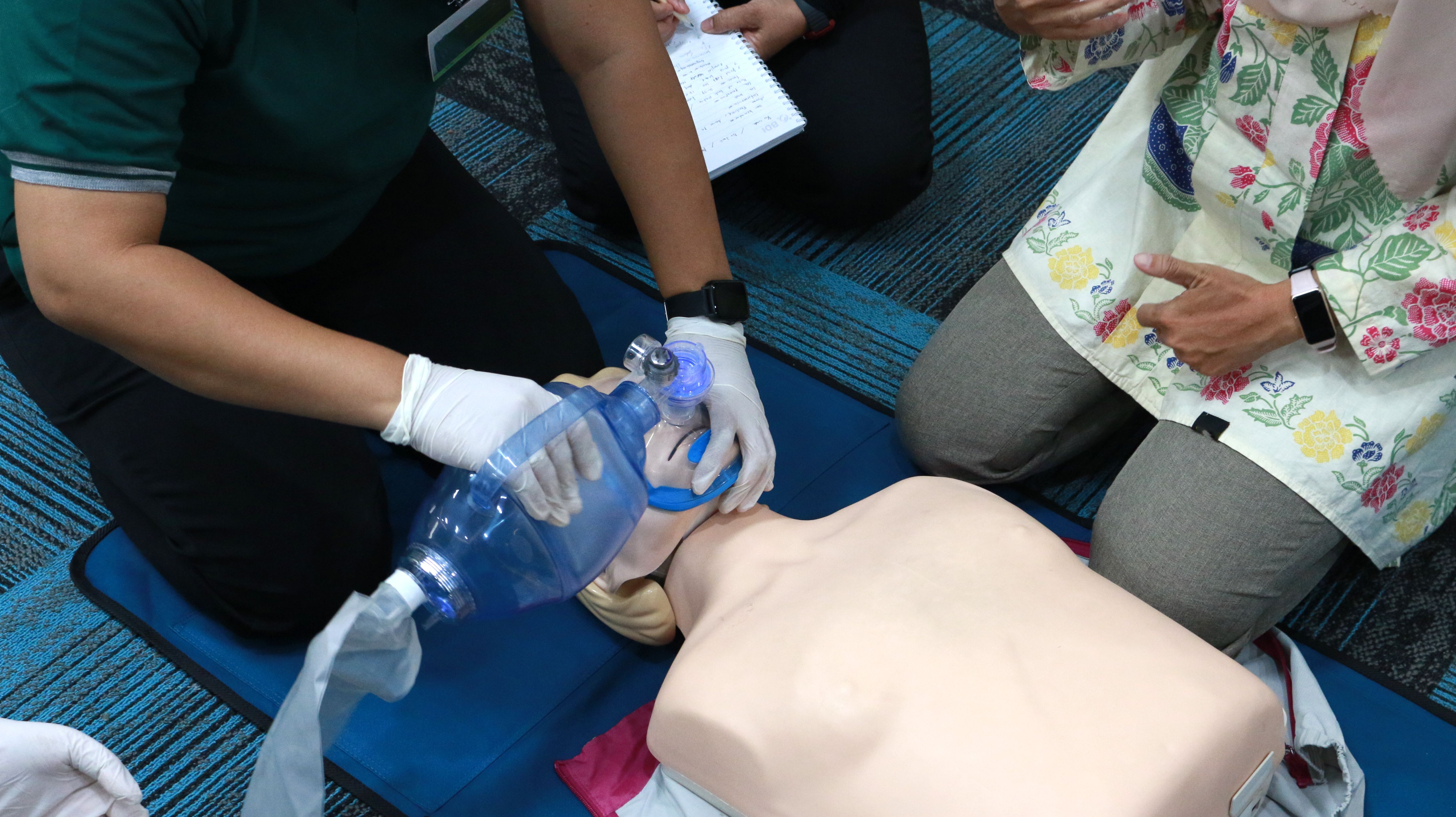
Debunking CPR Myths
CPR (cardiopulmonary resuscitation) is often surrounded by myths that can discourage people from taking action during emergencies. A prevalent myth is that administering CPR without proper certification could lead to legal consequences. However, Good Samaritan laws are in place in many regions to protect individuals who perform CPR in good faith, even if they are not certified.
Another common myth is that CPR is ineffective if not performed perfectly. While it is true that proper technique improves outcomes, any attempt at CPR is better than no attempt at all. Immediate action can keep oxygenated blood flowing to vital organs until professional help arrives, greatly increasing the victim's chances of survival.
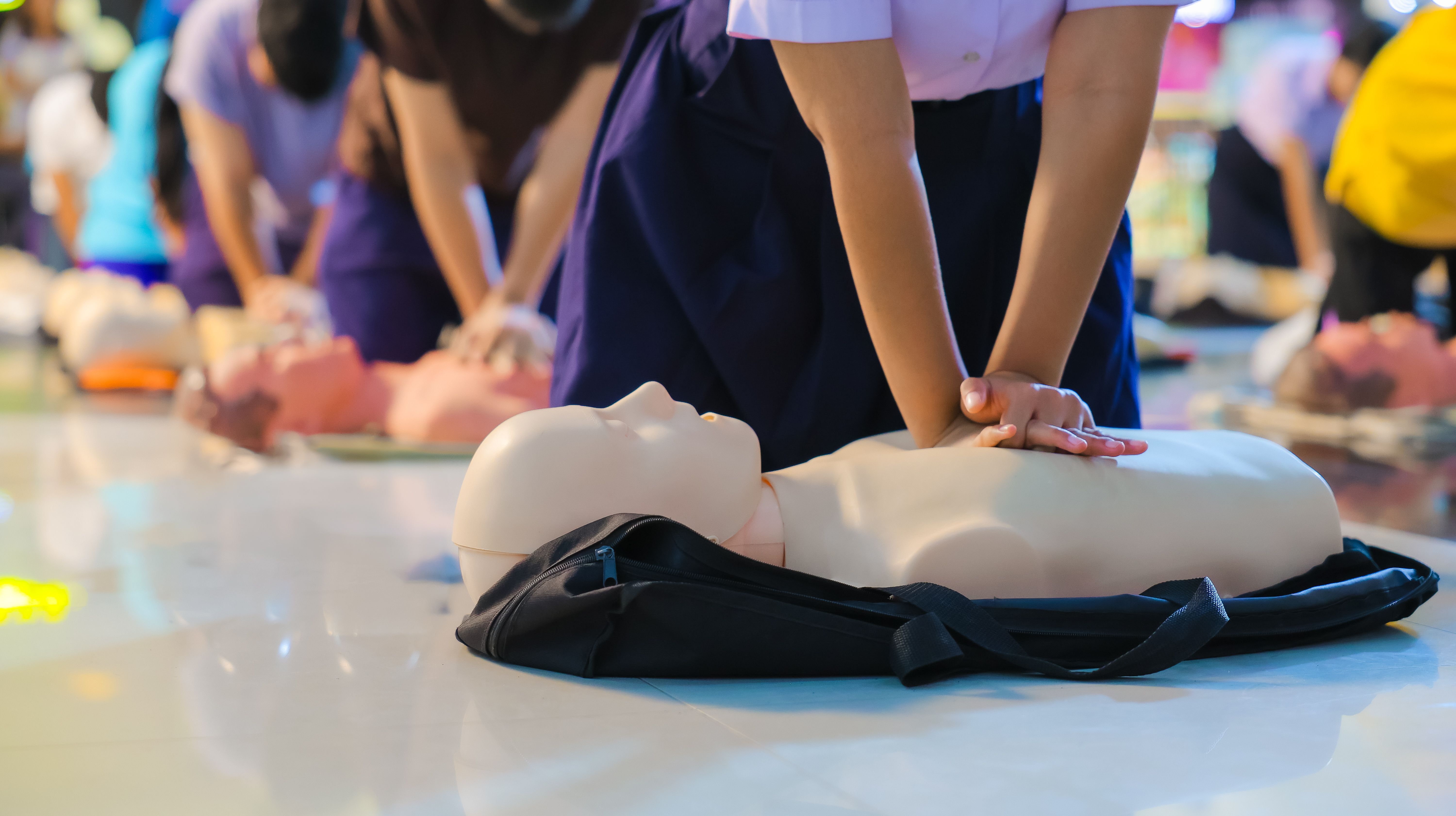
The Importance of AEDs
Automated external defibrillators (AEDs) are crucial tools in life support education, yet many myths persist about their use. Some people believe that AEDs are complicated and should only be used by trained professionals. In contrast, AEDs are designed to be user-friendly with clear instructions and voice prompts to guide even untrained individuals through the process.
Additionally, there is a myth that AEDs can cause harm if used incorrectly. While AEDs do deliver a shock to the heart, they are programmed to analyze heart rhythms and only deliver a shock when necessary. This built-in safety mechanism helps prevent misuse and ensures that the device provides life-saving assistance when needed.
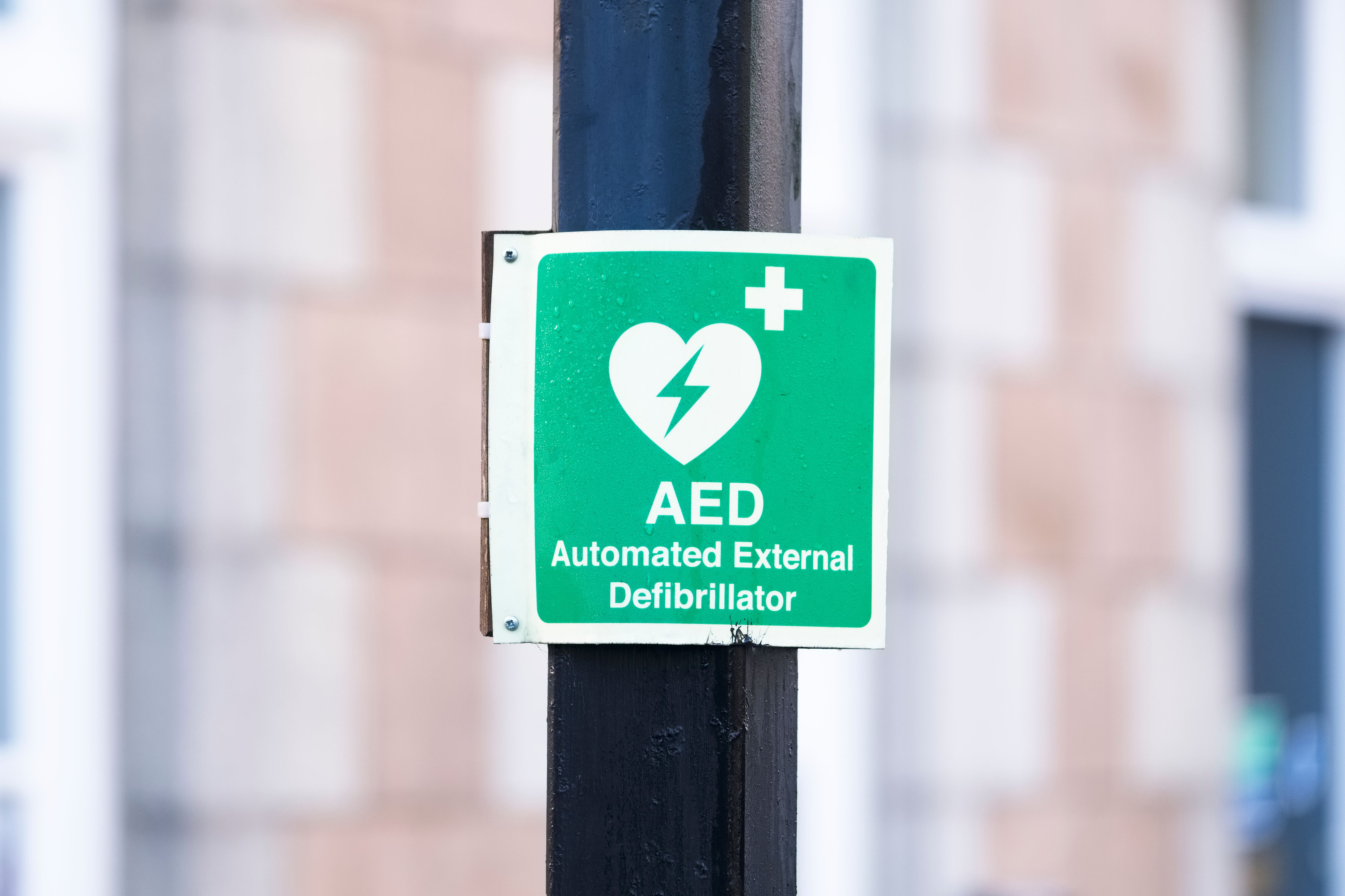
Who Can Benefit from Life Support Training?
Life support training is beneficial not only for healthcare professionals but also for teachers, coaches, parents, and anyone who wants to be prepared for emergencies. The knowledge gained from such training empowers individuals to act confidently and effectively in critical situations.
Moreover, organizations and community groups can host life support training sessions to enhance collective preparedness. By promoting a culture of readiness, communities can ensure faster response times and improved outcomes during emergencies.
Conclusion
Debunking myths about life support education and CPR is essential for encouraging widespread participation and preparedness. Understanding that these skills are accessible and effective can motivate more individuals to take part in training programs. Together, we can create safer environments and potentially save lives through informed action and readiness.