Expert Insights: The Latest Trends in CPR and First Aid Training


Understanding the Evolution of CPR and First Aid Training
The landscape of CPR and first aid training is continuously evolving, driven by advancements in medical science and technology. Staying abreast of these changes is crucial for both trainers and trainees. In this article, we delve into the latest trends that are reshaping how CPR and first aid are taught and practiced today.
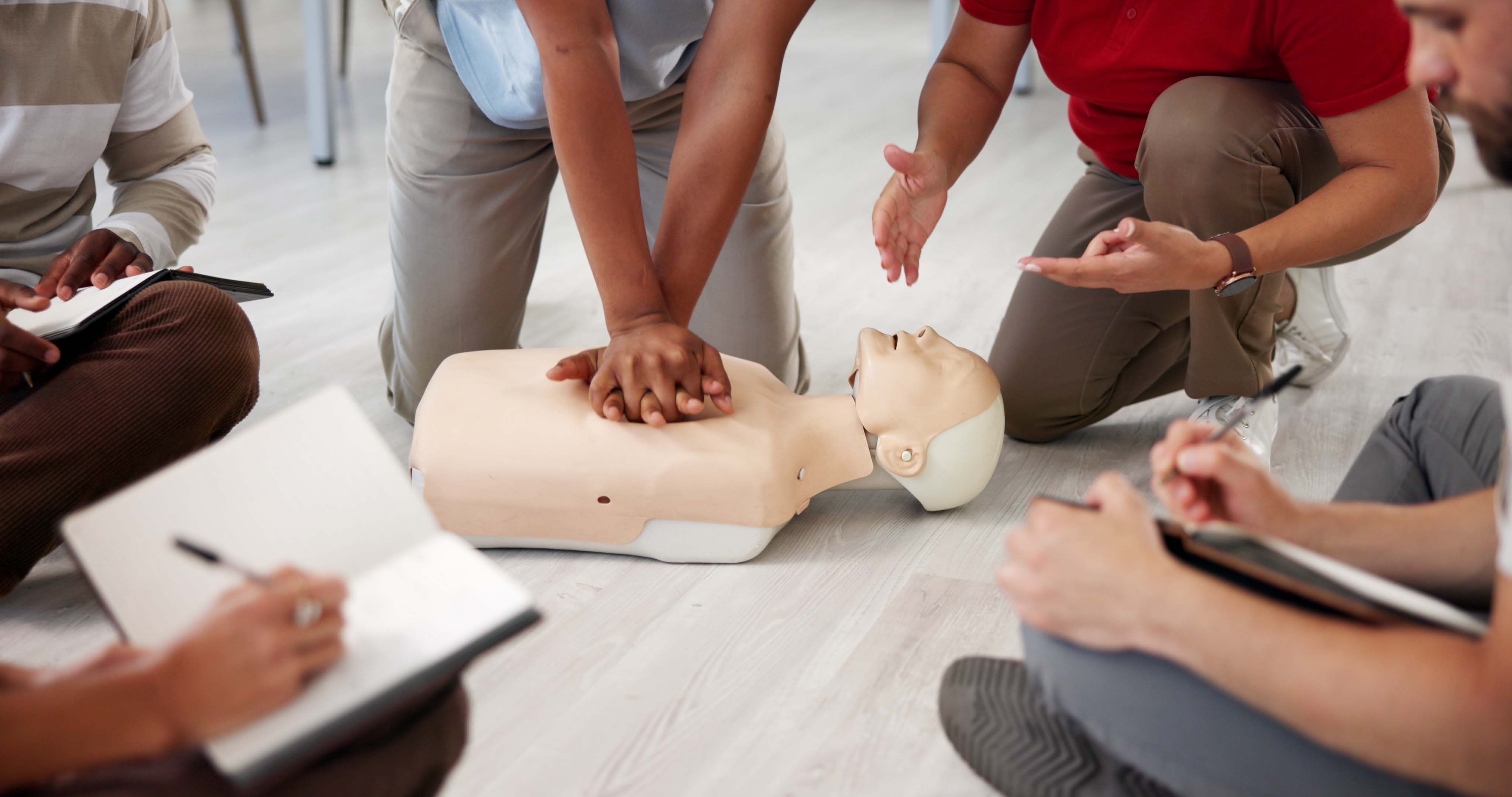
The Role of Technology in Training
Technology has become a cornerstone in modern CPR and first aid training. Virtual reality (VR) and augmented reality (AR) are increasingly being used to simulate real-life emergency scenarios. These immersive experiences provide trainees with hands-on practice without the risks associated with real-world emergencies.
Moreover, mobile apps and online platforms offer accessible and flexible learning options. They provide interactive modules, video tutorials, and quizzes, allowing learners to study at their own pace. This shift towards digital solutions has made training more inclusive and widespread.
Emphasis on Mental Health First Aid
In recent years, there has been a growing recognition of the importance of mental health first aid. Training programs are now incorporating modules that teach participants how to address mental health crises, such as panic attacks or severe anxiety. This holistic approach ensures that responders are equipped to handle a broader range of emergencies.
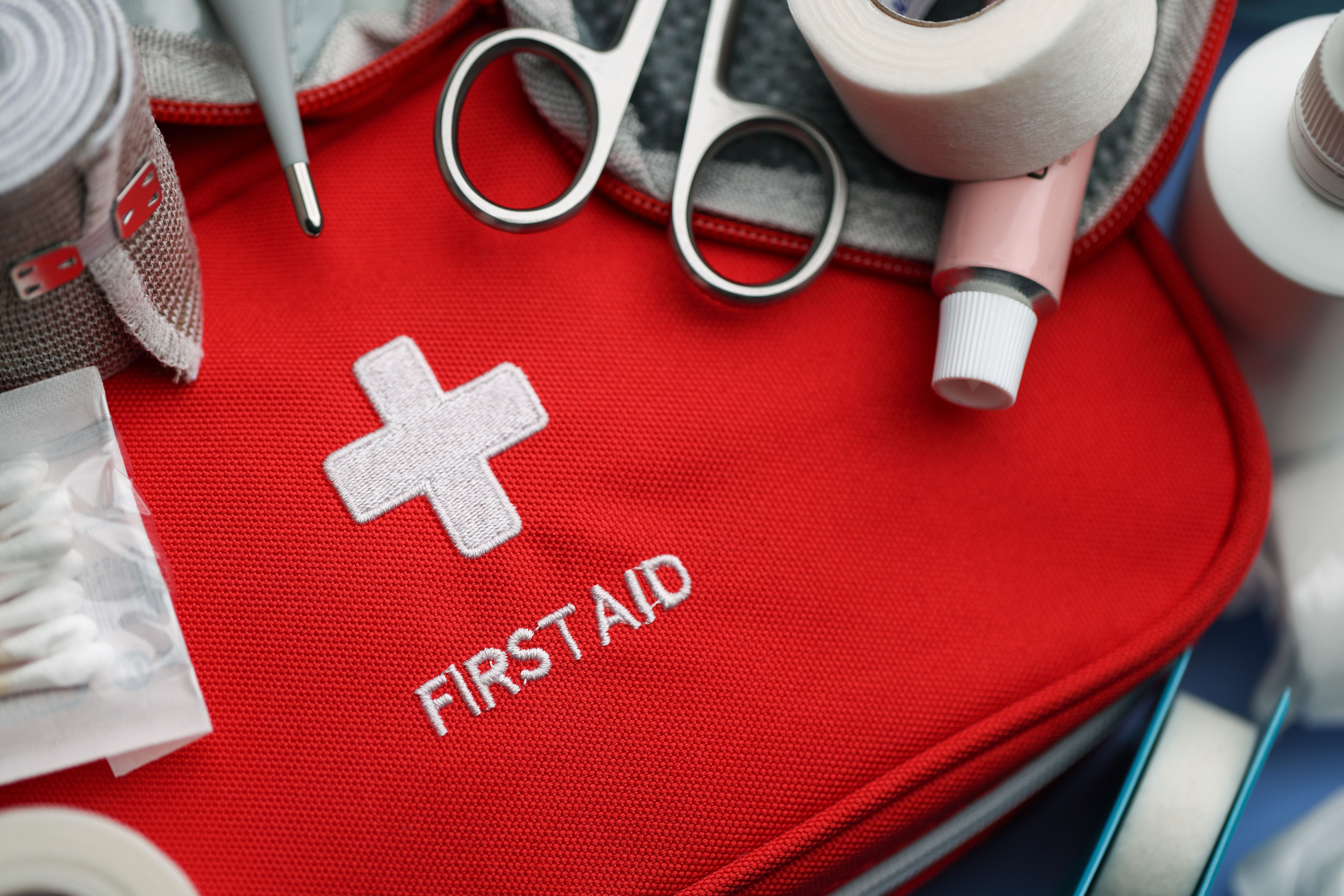
Updated CPR Guidelines
The American Heart Association (AHA) and other medical bodies regularly update CPR guidelines to reflect the latest research. Recent updates emphasize the importance of high-quality chest compressions and minimizing interruptions. Trainers are encouraged to adopt these guidelines to ensure the highest standard of care.
Another significant change is the increased focus on compression-only CPR, especially for untrained bystanders. This method simplifies the process and increases the likelihood of intervention during cardiac emergencies.
Incorporating Cultural Sensitivity
As communities become more diverse, cultural sensitivity in training has become essential. Trainers are now incorporating cultural competence into their programs, ensuring that responders are respectful and effective when dealing with individuals from different backgrounds.
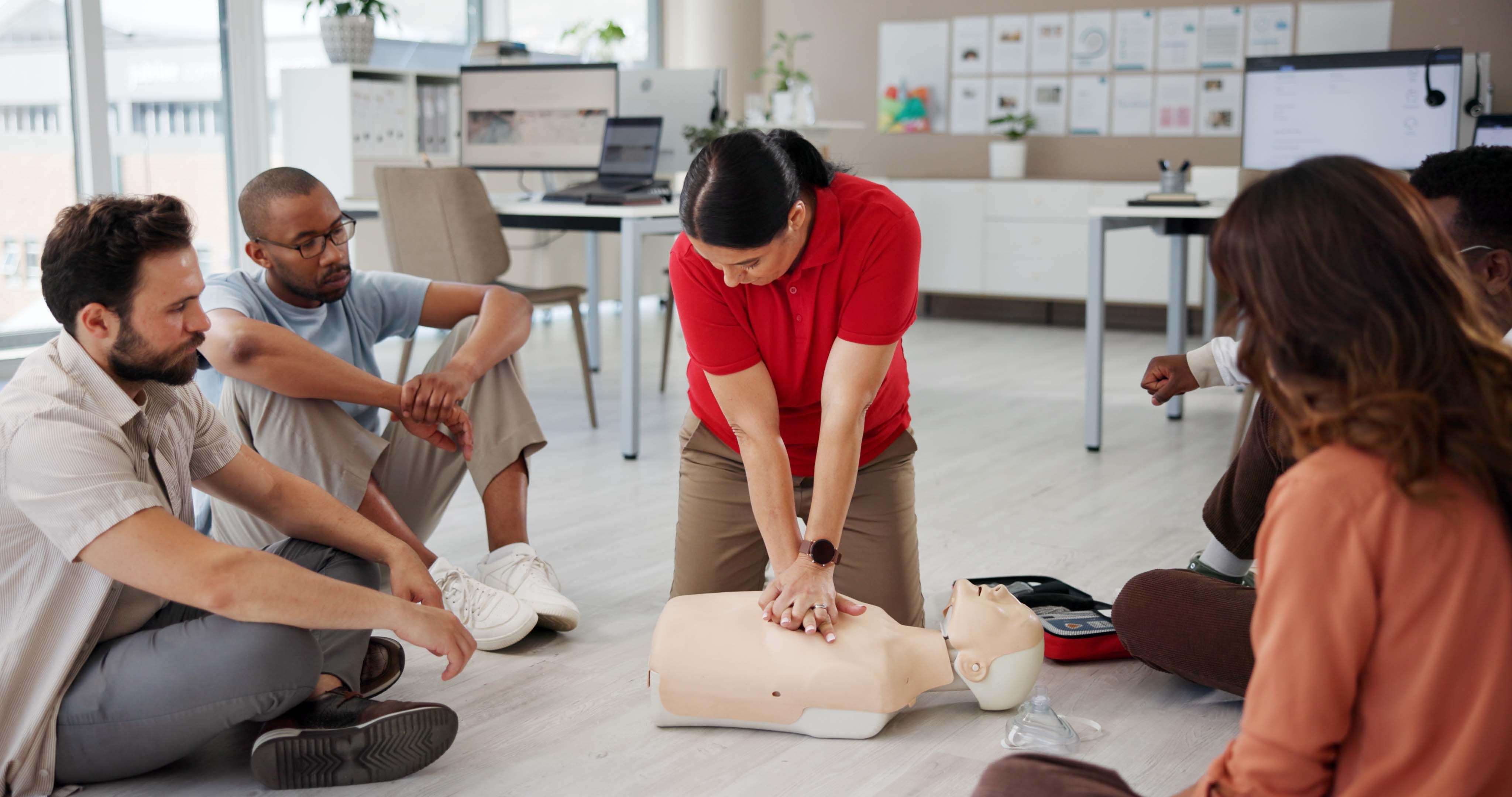
This includes understanding cultural differences in communication and body language, which can be crucial during emergencies. By fostering an inclusive environment, training programs can better prepare responders for real-world situations.
Hybrid Training Models
Hybrid training models that combine online learning with in-person sessions are gaining popularity. This approach allows learners to acquire theoretical knowledge online before attending practical, hands-on workshops. It provides flexibility while ensuring that trainees receive comprehensive instruction.
Hybrid models are particularly beneficial in reaching remote areas where access to traditional training centers may be limited. They ensure that essential skills are disseminated widely and effectively.
Future Directions
Looking ahead, the integration of artificial intelligence (AI) in training programs holds promise. AI can analyze individual performance and provide personalized feedback, enhancing the learning experience. As these technologies continue to develop, the future of CPR and first aid training looks promising and progressive.
By embracing these trends, trainers and trainees alike can ensure they are prepared to offer life-saving assistance in an ever-changing world.