Expert Insights: Top Myths About CPR Debunked


Understanding CPR: Separating Fact from Fiction
Cardiopulmonary resuscitation, or CPR, is a critical skill that can make the difference between life and death in emergency situations. Despite its importance, several myths about CPR persist, potentially hindering its effective application. In this post, we delve into expert insights to debunk some of the most common misconceptions about CPR.
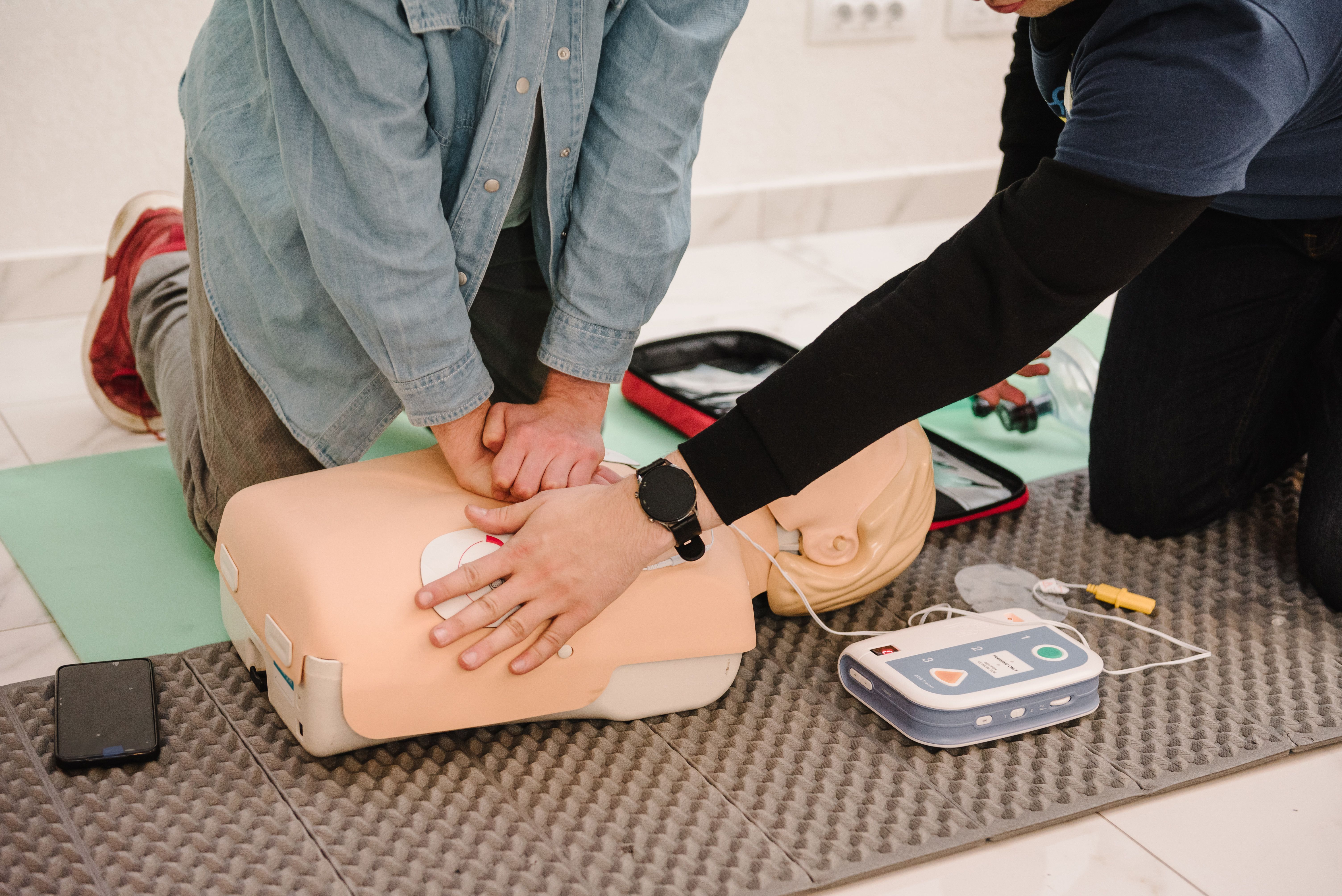
Myth 1: CPR Is Only for Professionals
A prevalent myth is that only healthcare professionals can effectively perform CPR. This is far from true. Anyone can learn and perform CPR. With proper training, even bystanders can administer CPR, significantly increasing the survival rates of cardiac arrest victims. Many community centers and organizations offer courses that equip individuals with the necessary skills.
In fact, initiating CPR immediately can double or even triple a victim’s chance of survival. This underscores the importance of public awareness and education in CPR techniques.
Myth 2: You Can Cause Harm by Performing CPR
Another common concern is the fear of causing harm while performing CPR. While it’s true that rib fractures can occur, the risk of saving a life far outweighs the potential for injury. The primary goal of CPR is to maintain blood flow to the brain and heart until professional medical help arrives. Without this intervention, the consequences could be dire.

Myth 3: Mouth-to-Mouth Is Always Necessary
Many people believe that mouth-to-mouth resuscitation is a crucial component of CPR. However, recent guidelines suggest that hands-only CPR, which involves uninterrupted chest compressions, can be equally effective for adults who suddenly collapse. This method is especially encouraged for untrained bystanders who may be hesitant to perform mouth-to-mouth.
Nevertheless, traditional CPR, which includes rescue breaths, remains important in certain situations, such as drowning or pediatric cases. Understanding when to apply each method is crucial for effective lifesaving.
Myth 4: You Should Wait for Medical Personnel
A dangerous misconception is that one should wait for emergency services before starting CPR. In reality, every second counts. Delaying CPR can drastically reduce the chances of recovery, as brain damage and death can occur within minutes of cardiac arrest. Immediate action is vital.
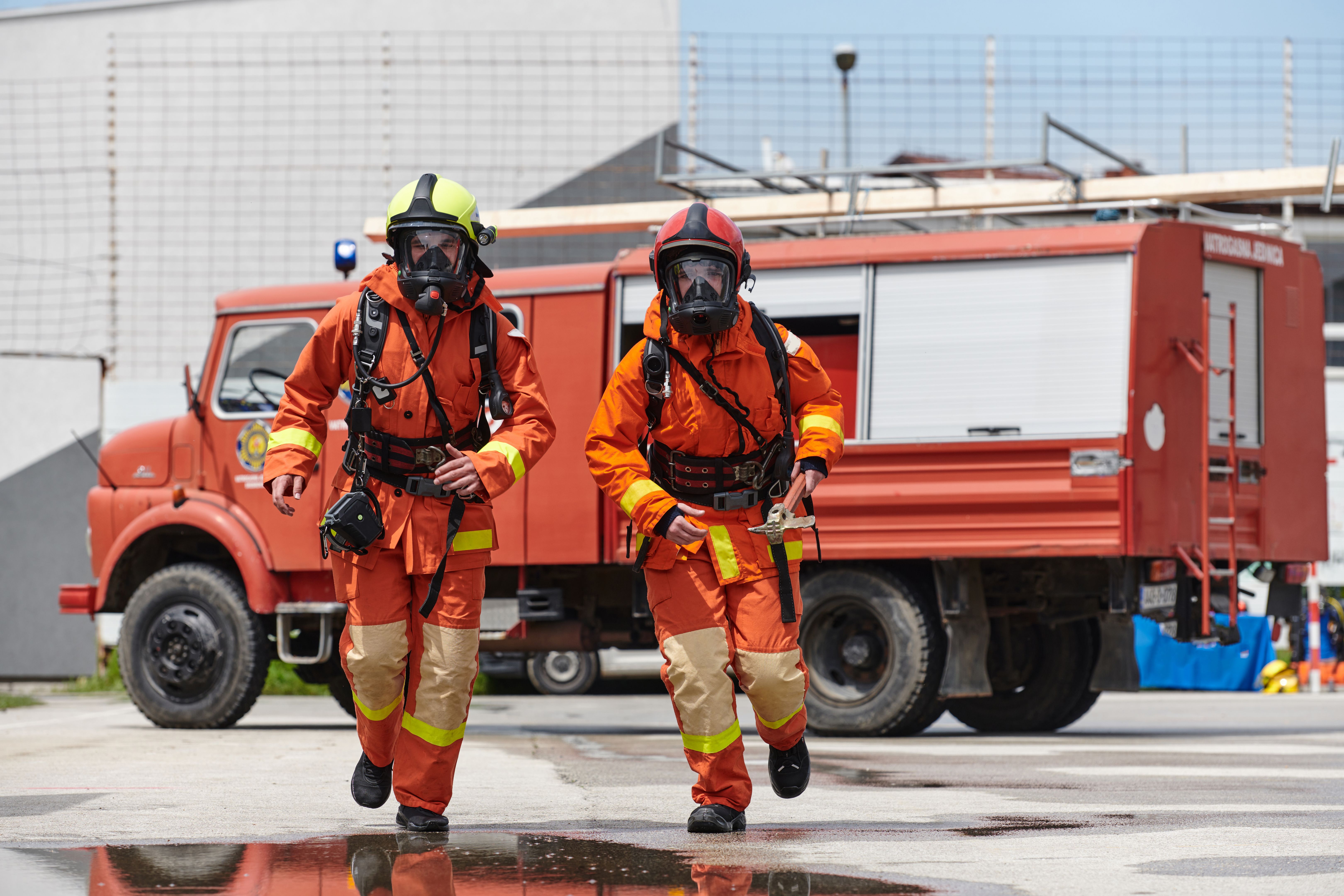
While waiting for professional help, performing CPR can sustain life by keeping oxygenated blood circulating. This emphasizes the importance of taking prompt action rather than waiting passively.
Conclusion: Empower Yourself with Knowledge
Dispelling these myths is crucial for empowering individuals to act swiftly and confidently in emergencies. By understanding the facts about CPR and engaging in proper training, anyone can become a lifesaver. Remember, your actions could be the key to ensuring someone’s survival.
Whether you’re a parent, teacher, or simply a concerned citizen, consider enrolling in a CPR course today. Equip yourself with the skills necessary to step forward when it matters most.