Exploring the Latest Trends in First Aid and CPR Training


Introduction to Modern First Aid and CPR Training
First aid and CPR training have evolved significantly over the years. These life-saving skills are crucial not only for healthcare professionals but also for everyday individuals. With the integration of technology and updated guidelines, the landscape of first aid training is more dynamic than ever.
Embracing Technology in Training
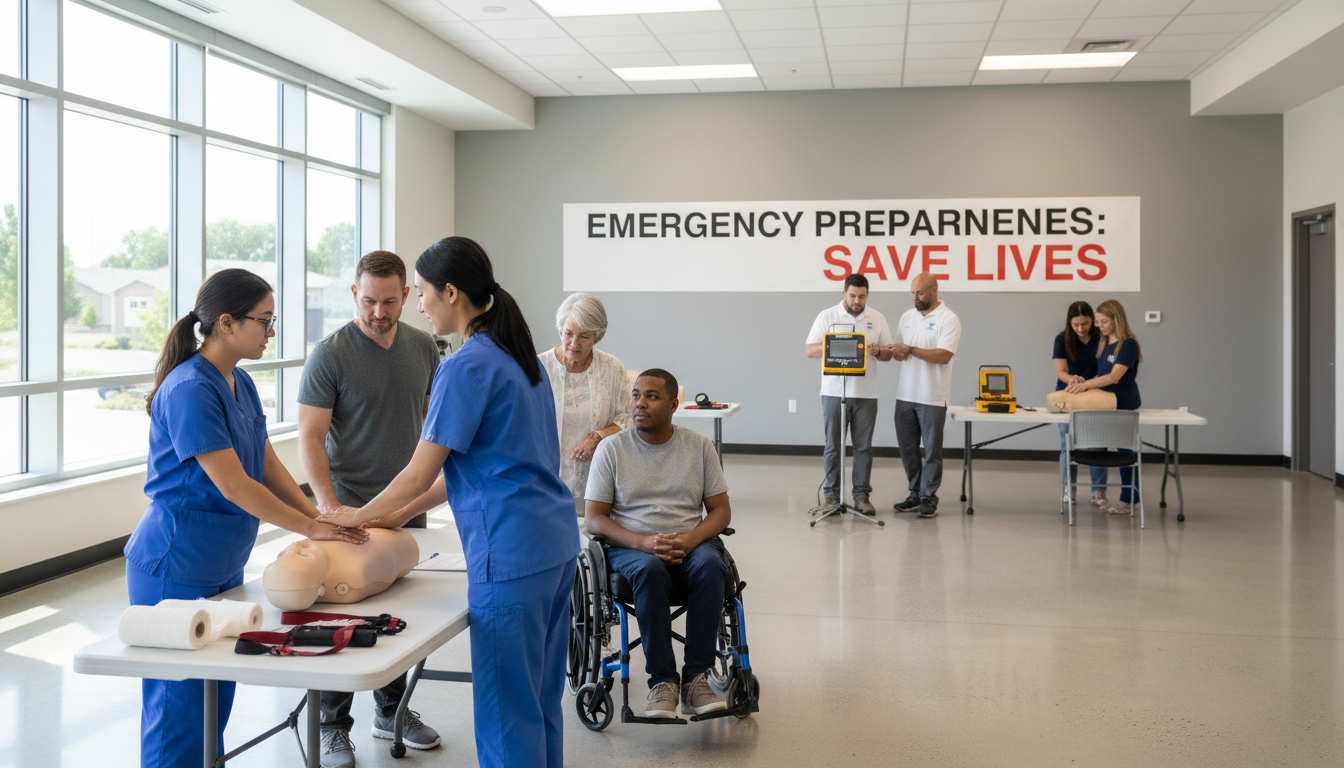
The incorporation of technology into first aid and CPR training is one of the most notable trends. Virtual reality (VR) and augmented reality (AR) are now being used to simulate real-life emergencies, providing a more immersive learning experience. This technology helps trainees practice their skills in a safe yet realistic environment.
Additionally, online courses and mobile apps have made training more accessible. With interactive modules and video demonstrations, learners can study at their own pace, making it easier for busy individuals to get certified.

Updates to CPR Guidelines
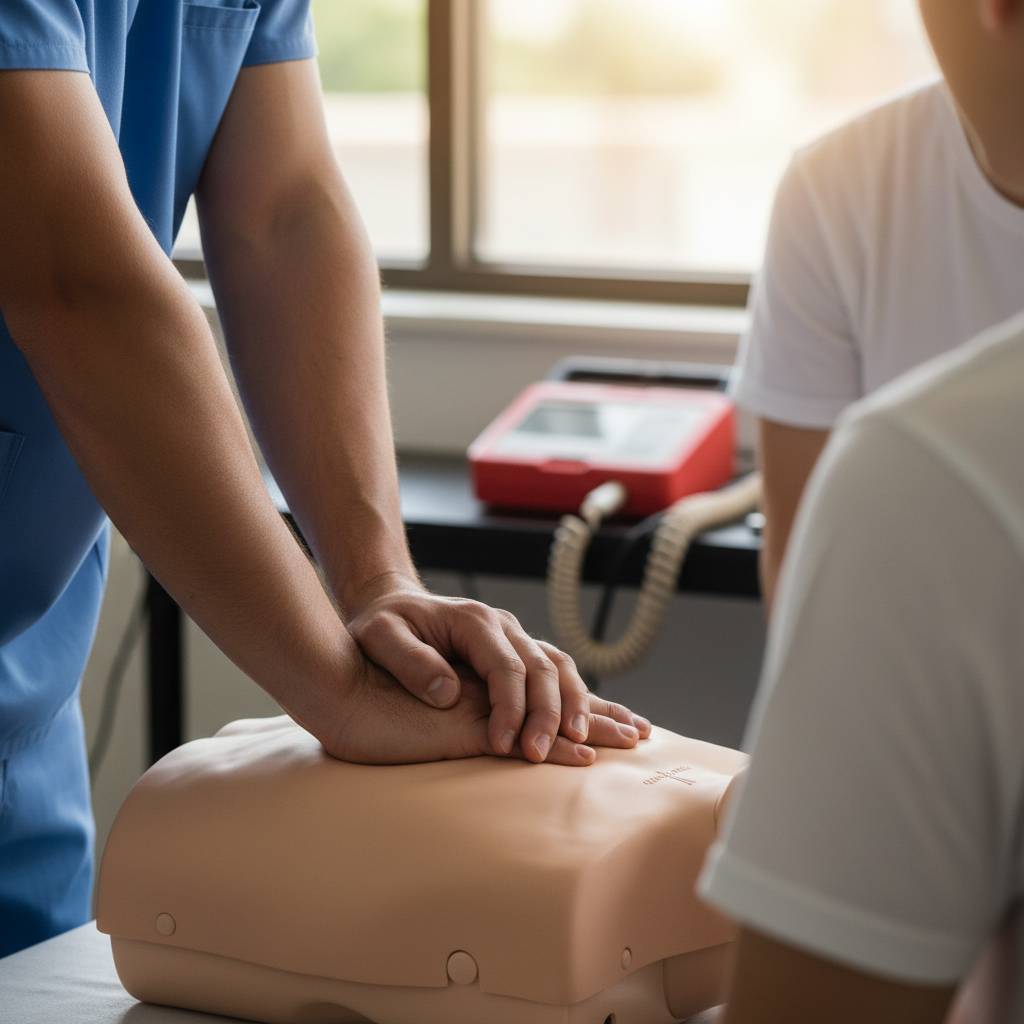
CPR guidelines are continually updated to reflect the latest research. The American Heart Association (AHA) regularly reviews and revises its recommendations to improve survival rates. Recent changes emphasize the importance of high-quality chest compressions and the role of bystanders in emergency situations.
Bystander CPR is now a focal point, encouraging more people to take action without fear of legal repercussions, thanks to Good Samaritan laws. These changes aim to increase the number of individuals who feel confident in administering CPR.
Incorporating Mental Health First Aid
Another significant trend is the inclusion of mental health first aid in training programs. Recognizing the signs of mental distress and providing initial support can be just as crucial as physical first aid. Courses now often cover topics such as anxiety, depression, and panic attacks, preparing individuals to offer assistance in various scenarios.
This holistic approach ensures that both physical and mental health emergencies are addressed, promoting a more comprehensive understanding of first aid.
Focus on Workplace Preparedness
Workplaces are increasingly prioritizing first aid and CPR training as part of their safety protocols. Many organizations are implementing regular training sessions and drills to ensure employees are prepared for emergencies. This not only boosts confidence but also fosters a safer work environment.

Conclusion
The field of first aid and CPR training is experiencing exciting changes that make it more accessible, comprehensive, and effective. Whether through advanced technology, updated guidelines, or a focus on mental health, these trends are shaping the future of emergency preparedness. By staying informed and engaged with these developments, individuals and organizations can better equip themselves to save lives.