How AED Training Courses Save Lives: A Comprehensive Overview


Understanding AEDs: A Lifesaving Tool
Automated External Defibrillators (AEDs) are critical devices used during sudden cardiac arrest (SCA) emergencies. They deliver a controlled electric shock to help restart the heart. With SCA being a leading cause of death worldwide, having access to AEDs can significantly improve survival rates.
The Importance of AED Training
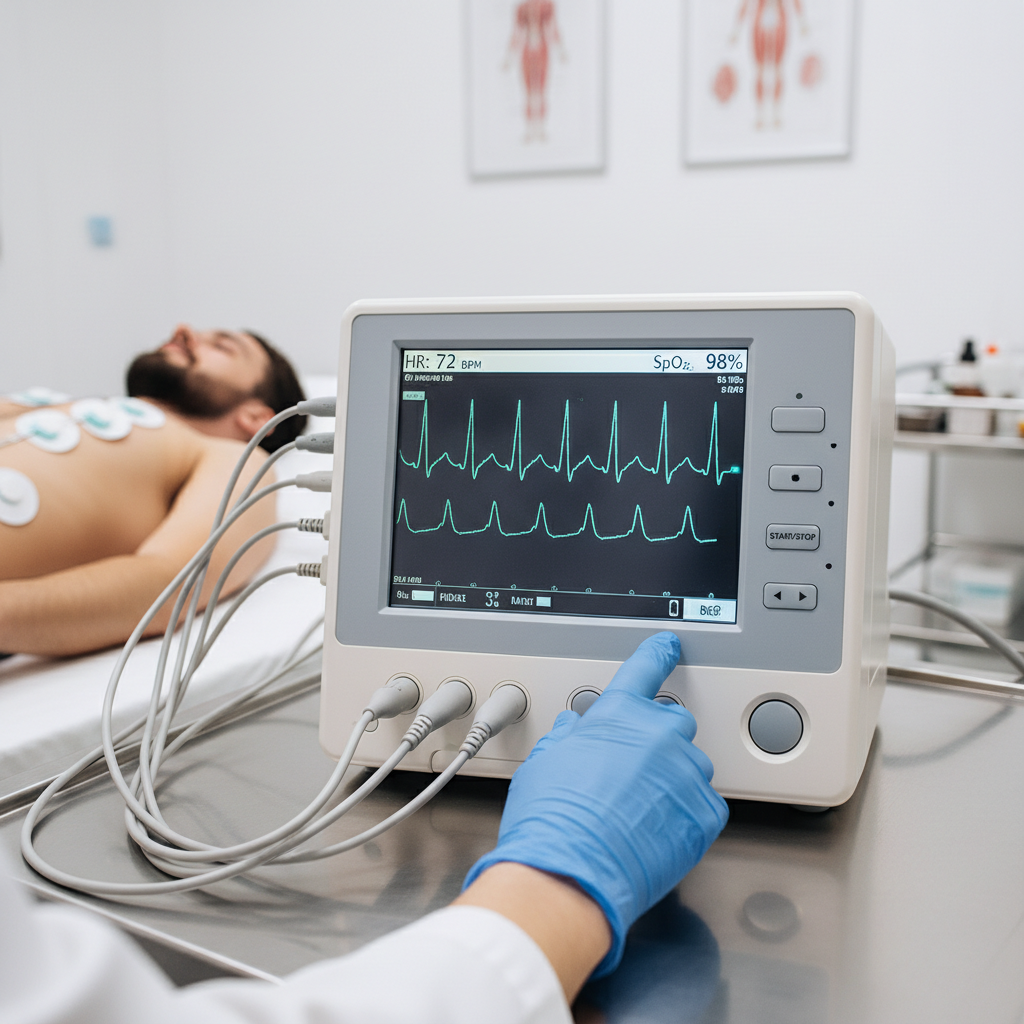
While AEDs are designed for ease of use, proper training is essential. AED training courses teach individuals how to recognize SCA, effectively use the device, and perform cardiopulmonary resuscitation (CPR) if necessary. This comprehensive knowledge can make a difference between life and death.
What AED Training Courses Cover
AED training courses typically cover several key areas:
- Understanding the function and mechanics of an AED.
- Recognizing signs of cardiac arrest.
- Performing CPR in conjunction with AED use.
- Maintaining AED devices for readiness.
Benefits of AED Training
Enrolling in AED training courses offers several benefits. It empowers individuals to respond swiftly in emergencies, increases confidence, and enhances community safety. Trained individuals can act as first responders, providing critical care before medical professionals arrive.
Who Should Consider AED Training?
AED training isn't just for healthcare professionals. Schools, workplaces, sports clubs, and community centers can benefit from having trained staff. By equipping more people with these skills, communities become safer and more prepared for unexpected emergencies.
Integrating AEDs into Public Spaces
AEDs are becoming more common in public areas such as airports, malls, and fitness centers. However, the presence of these devices is only effective if people are trained to use them. Encouraging AED training ensures that these life-saving tools are utilized to their full potential.
Steps to Implement AED Training
Implementing AED training involves several steps:
- Identify key individuals or groups for training.
- Partner with certified training organizations.
- Schedule regular refresher courses to maintain skills.
- Raise awareness about the importance of AED preparedness.
Conclusion: A Community Effort
AED training is more than just a course; it's a community effort to save lives. By spreading awareness and knowledge, we can ensure that more people are prepared to act swiftly and effectively in emergencies. The investment in AED training is an investment in safety and life.