How to Choose the Best Basic Life Support Training Near You: A Comprehensive Guide


Understanding the Importance of Basic Life Support Training
Basic Life Support (BLS) training is a critical skill that can make the difference between life and death in emergency situations. Whether you're a healthcare professional, teacher, coach, or simply an individual who wants to be prepared, choosing the best BLS training is crucial. This guide will help you navigate your options and make an informed decision.
When you're trained in BLS, you're equipped with the knowledge to provide immediate care during critical situations such as cardiac arrest or choking. The importance of having these skills cannot be overstated, as they can significantly increase the chances of survival for those in need.
Researching Training Providers
The first step in choosing a BLS training course is researching potential providers. Look for organizations that have a solid reputation and are recognized by national or international accrediting bodies. The American Heart Association and the Red Cross are two of the most respected providers globally.
Check the credentials of the instructors as well. Ensure they have the appropriate certifications and experience to deliver high-quality training. Reading reviews and testimonials from past participants can also provide valuable insights into the effectiveness of the training programs.

Evaluating Course Content
When evaluating BLS courses, it's essential to consider the comprehensiveness of the curriculum. A good program should cover key elements such as CPR, use of automated external defibrillators (AEDs), and how to handle choking incidents. These skills should be taught through a combination of theoretical knowledge and practical application.
Additionally, make sure the course content is up-to-date with the latest guidelines and best practices. BLS protocols can change over time, so it's crucial that your training reflects the most current standards.
Considering Course Formats
BLS training is available in various formats, including in-person classes, online courses, and blended learning options. Each format has its own advantages and disadvantages. In-person classes offer hands-on practice and immediate feedback from instructors, which can be invaluable for mastering techniques.

Assessing Practical Components
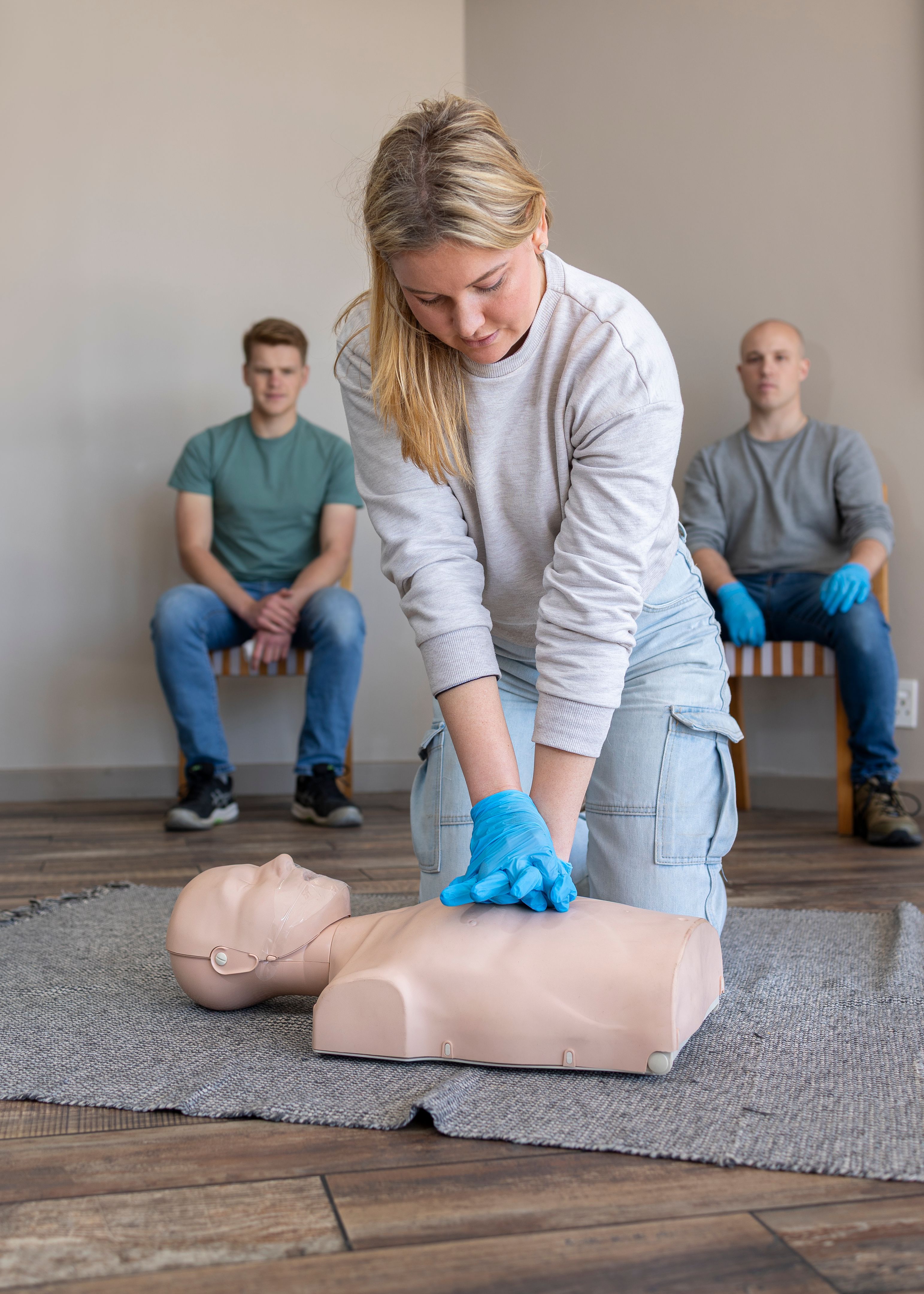
Practical skills are a vital part of BLS training. Ensure that the course offers ample opportunities for hands-on practice with mannequins or other simulation tools. This hands-on experience is critical for building confidence and competence in life-saving techniques.
Some courses may also include scenario-based training, which can help reinforce your skills by applying them in realistic situations. This type of training can enhance your ability to remain calm and effective during actual emergencies.
Checking Certification and Renewal Requirements
Once you complete your BLS training, you'll typically receive a certification valid for a certain period, often two years. It's essential to understand the renewal requirements to maintain your certification. Some organizations offer refresher courses or renewal programs to ensure your skills remain sharp over time.
Being aware of these requirements beforehand will help you plan for future training needs and avoid any lapses in certification.

Making an Informed Decision
Choosing the right BLS training involves considering various factors, including reputation, course content, format, and certification requirements. By thoroughly researching your options and assessing your personal needs and preferences, you can select a program that best fits your goals.
With the right training, you'll be prepared to act confidently and effectively in life-threatening situations, making a positive impact when it matters most.