How to Choose the Best CPR Certification Course in the Tri-State Area


Understanding the Importance of CPR Certification
Cardiopulmonary resuscitation (CPR) is a critical life-saving skill that can make the difference between life and death in emergency situations. Whether you are a healthcare professional or a concerned citizen, obtaining a CPR certification is essential. In the densely populated Tri-State Area, selecting the right CPR certification course can be overwhelming due to the numerous options available.
Identifying Your Needs
Before you begin your search for a CPR certification course, it is important to identify your specific needs. Are you pursuing certification for professional reasons, such as healthcare or child care? Or is your goal to be prepared in case of an emergency at home or in public spaces? Recognizing your objectives will guide you in selecting a course that aligns with your requirements.
For Healthcare Professionals
If you are a healthcare professional, you will likely need an Advanced Cardiovascular Life Support (ACLS) or Basic Life Support (BLS) certification. These courses are more comprehensive and include additional skills beyond basic CPR, such as airway management and advanced cardiac care.
For General Public
For those who are not in the medical field, a standard CPR/AED (Automated External Defibrillator) course will suffice. These courses focus on essential techniques and provide guidance on using an AED in emergency scenarios.

Researching Course Providers
Once you have determined your needs, it is time to research potential course providers. Look for organizations that are well-known and respected in the field of emergency preparedness. The American Red Cross and the American Heart Association are two of the most reputable certifying bodies offering CPR courses.
Accreditation and Certification
Ensure that the course you choose is accredited by a recognized authority. Accredited courses are more likely to provide up-to-date training based on the latest guidelines and research. Additionally, verify that the certification you will receive is widely accepted, especially if it is required for your profession.

Evaluating Course Content and Format
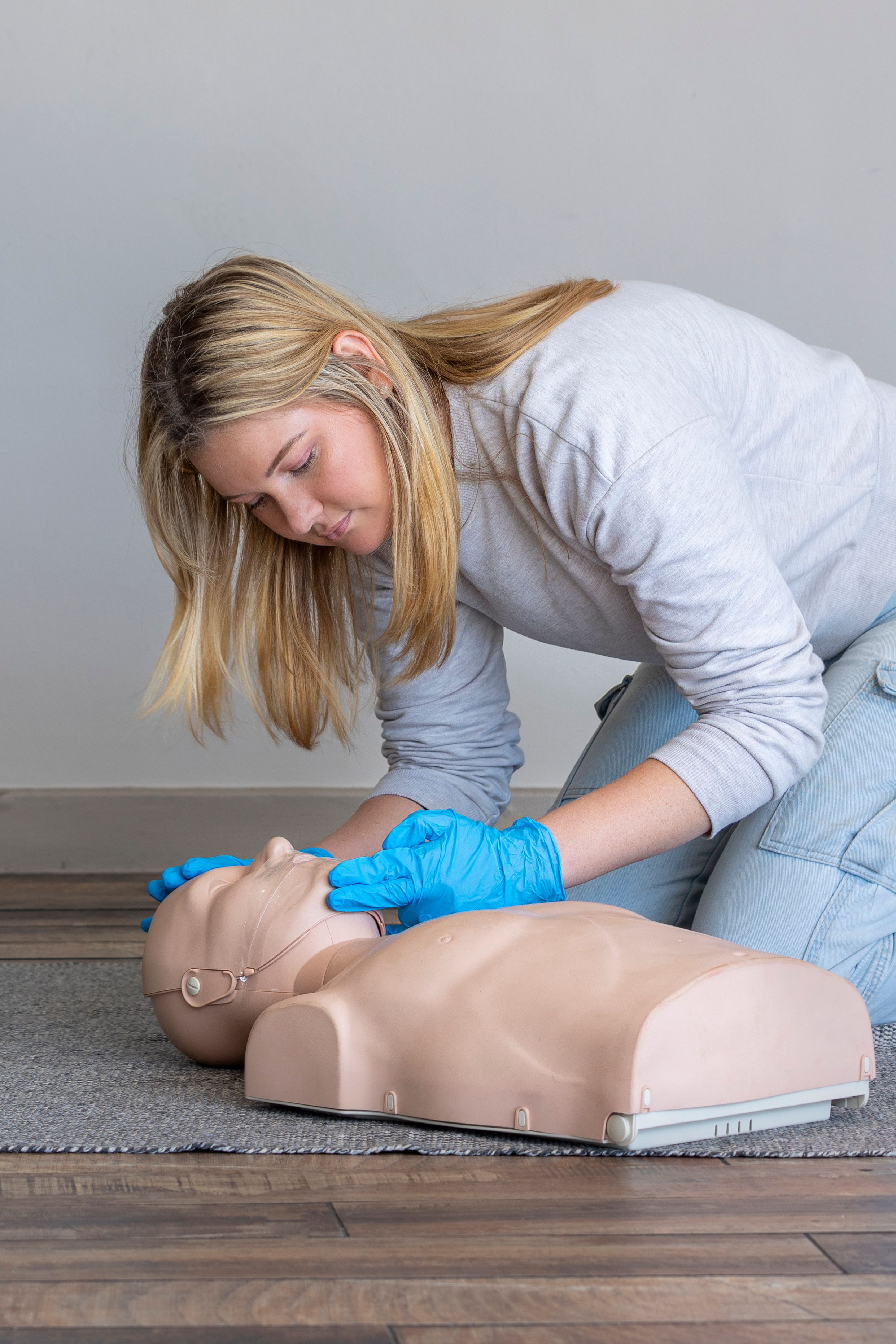
The content and format of the course are crucial factors to consider. Look for courses that offer comprehensive training, including hands-on practice with mannequins. This practical experience is invaluable in building confidence and competence in performing CPR.
Course Formats
Courses may be offered in various formats, including in-person, online, or a hybrid of both. In-person classes provide direct interaction with instructors and hands-on practice, while online courses offer flexibility and convenience. A hybrid format can offer the best of both worlds, allowing for theoretical learning online and practical sessions in person.
Considering Convenience and Cost
Lastly, consider the logistics related to convenience and cost. Evaluate the location and schedule of the course to ensure it fits with your availability. Additionally, compare prices among different providers but remember that the cheapest option may not always be the best in terms of quality.
By taking these factors into account, you can confidently choose a CPR certification course in the Tri-State Area that meets your needs and prepares you to save lives effectively.