How to Choose the Right Basic Life Support Training Near You


Understanding the Importance of Basic Life Support Training
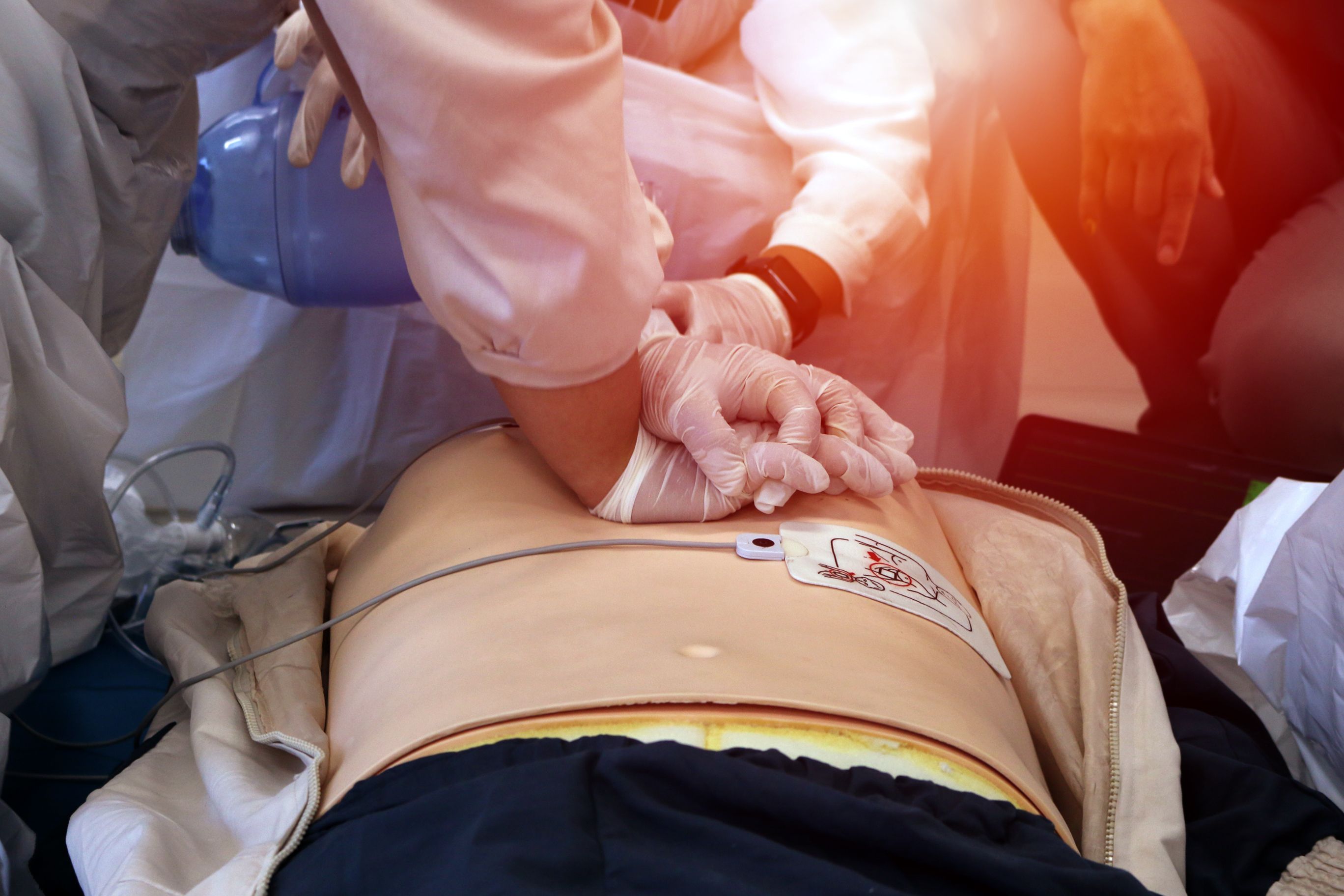
Basic Life Support (BLS) training is crucial for anyone looking to be prepared in emergency situations. Whether you are a healthcare professional or simply someone who wants to be ready to help others, BLS training can equip you with essential life-saving skills. Knowing how to perform CPR, use an automated external defibrillator (AED), and provide adequate ventilation can significantly increase the chances of survival for someone experiencing a cardiac arrest or other life-threatening conditions.
Given its importance, selecting the right BLS training program is vital. With numerous options available, choosing the one that best suits your needs can be daunting. Here's a guide to help you make an informed decision.
Research Accredited Training Providers
The first step in choosing a BLS training course is to ensure that the provider is accredited. Accreditation ensures that the training meets the necessary standards and guidelines set by recognized bodies such as the American Heart Association (AHA) or the Red Cross. An accredited course will provide you with a valid certification upon completion, which is essential if you need it for professional reasons.
Look for reviews and testimonials from previous participants. This feedback can offer insight into the quality of the training and the expertise of the instructors. A reputable provider will often have positive reviews and a track record of successful training sessions.
Consider the Course Format and Schedule
Different BLS courses may offer various formats, such as in-person, online, or blended learning. In-person training typically provides hands-on practice, which is invaluable for mastering physical techniques like CPR. However, if your schedule is tight, online or blended options might be more suitable, allowing for flexibility while still covering essential content.

Check the course schedule to ensure it fits your availability. Some courses are offered over weekends or evenings to accommodate working professionals. Understanding the time commitment required can help you plan accordingly and ensure you complete the training without unnecessary stress.
Evaluate the Cost and Value
The cost of BLS training can vary significantly depending on factors like location, course format, and provider. While it's important to find a course within your budget, don't compromise on quality for the sake of saving money. Remember that investing in quality training could make a critical difference in an emergency.
Inquire about what is included in the course fee. Some programs may offer additional resources, such as study materials, practice tests, or access to online learning modules, which can enhance your learning experience and provide better value for your investment.

Check for Recertification Requirements
BLS certifications typically have a validity period, usually around two years. Before enrolling in a course, understand what the recertification process entails. Knowing this information upfront can help you plan for future requirements and ensure that your skills remain up-to-date.
Some training providers offer discounts or streamlined recertification courses for returning participants. This can be a cost-effective way to maintain your certification and keep your skills sharp.
Conclusion
Choosing the right Basic Life Support training is an investment in your ability to assist others in critical situations. By considering factors such as accreditation, course format, cost, and recertification requirements, you can select a program that meets your needs and ensures you are well-prepared to provide life-saving support when it matters most.
Ultimately, the right BLS training will not only equip you with vital skills but also boost your confidence in handling emergencies effectively. With careful research and consideration, you can find a course that is both convenient and comprehensive, empowering you to make a meaningful difference in your community.