How to Choose the Right CPR Certification Class for Your Needs


Understanding the Importance of CPR Certification
Cardiopulmonary Resuscitation (CPR) is a critical skill that can save lives in emergency situations. Whether you're a healthcare professional or a concerned citizen, obtaining the right CPR certification is essential. With various classes available, knowing which one suits your needs can be overwhelming. This guide will help you navigate the options.
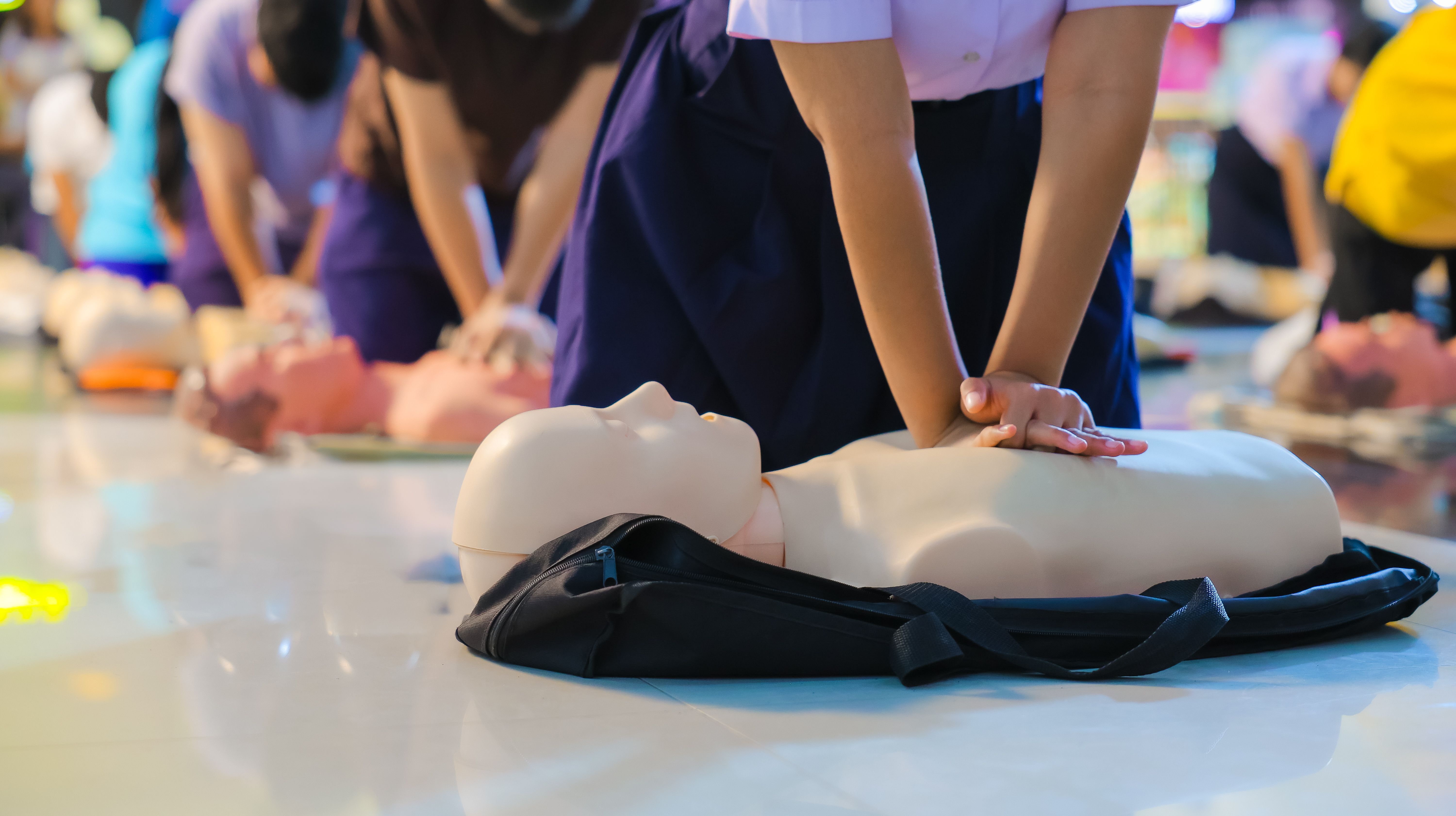
Identify Your Purpose
Before selecting a CPR certification class, it's important to understand why you need it. Are you a healthcare provider, a workplace safety officer, or simply a parent wanting to be prepared? Each scenario might require a different level of training.
Healthcare Professionals
If you're in the medical field, you'll likely need a Healthcare Provider CPR certification. This class covers advanced techniques and is often required by employers in the healthcare industry.
General Public
For those outside the medical field, a Basic Life Support (BLS) or Heartsaver CPR class might be more appropriate. These courses focus on essential skills for responding to cardiac emergencies in adults, children, and infants.

Consider Accreditation and Recognized Providers
When choosing a CPR class, ensure that it is accredited by recognized organizations such as the American Heart Association (AHA) or the Red Cross. Accreditation ensures that the training meets industry standards and provides a legitimate certification.
Online vs. In-Person Classes
In today's digital age, many institutions offer online CPR classes. While convenient, it's crucial to verify that these online courses include hands-on practice sessions. Real-life practice is vital for mastering CPR techniques.

Evaluate the Course Content and Duration
Different courses offer varying levels of detail. Some focus solely on CPR, while others include additional first aid training. Consider how comprehensive you want the training to be and how much time you're willing to commit.
Course Duration
CPR classes can range from a few hours to multiple days. Shorter courses might be sufficient for basic certification, but more extensive classes provide a deeper understanding and additional skills.
Check for Recertification Options
CPR certifications typically have an expiration date, often requiring renewal every two years. Before enrolling, check if the provider offers easy recertification options to keep your skills up to date.
Choosing the right CPR certification class requires careful consideration of your personal and professional needs. By understanding the different options and requirements, you can make an informed decision and be prepared to act confidently in emergency situations.