How to Choose the Right CPR Course in the Tri-State Area


Understanding the Importance of CPR Certification
Cardiopulmonary resuscitation (CPR) is a crucial skill that can save lives in emergencies. Whether you're a healthcare professional or a concerned citizen, obtaining a CPR certification is a valuable asset. In the Tri-State Area, there are numerous options available, but choosing the right course can be overwhelming. This guide will help you navigate through the choices.
Identifying Your CPR Certification Needs
Before selecting a course, it's important to understand your specific needs. Are you looking for a basic CPR course for personal knowledge, or do you need a certification for your job? Different courses cater to different audiences, so determining your goal is essential.
For Healthcare Professionals
If you're in the medical field, you may require a more intensive course that covers advanced techniques. Look for courses that offer certifications like Basic Life Support (BLS) or Advanced Cardiovascular Life Support (ACLS).
For General Public
If you're a member of the general public interested in learning CPR, a basic course will suffice. These courses are designed to teach essential life-saving skills without the complexity required for medical professionals.
Researching Course Providers
Once you've identified your needs, it's time to research course providers. In the Tri-State Area, there are many organizations offering CPR certification, including community colleges, hospitals, and private institutions. Here are some factors to consider:
- Accreditation: Ensure the course is accredited by a recognized organization like the American Heart Association or the American Red Cross.
- Instructor Qualifications: Instructors should be certified and experienced in teaching CPR.
- Course Format: Consider whether you prefer in-person classes, online sessions, or a hybrid model.
Evaluating Course Content and Structure
Understanding the content and structure of the course will help you make an informed decision. Look for courses that offer hands-on practice, as this is crucial for mastering CPR techniques. A well-structured course should include the following:
- Theoretical knowledge of CPR principles.
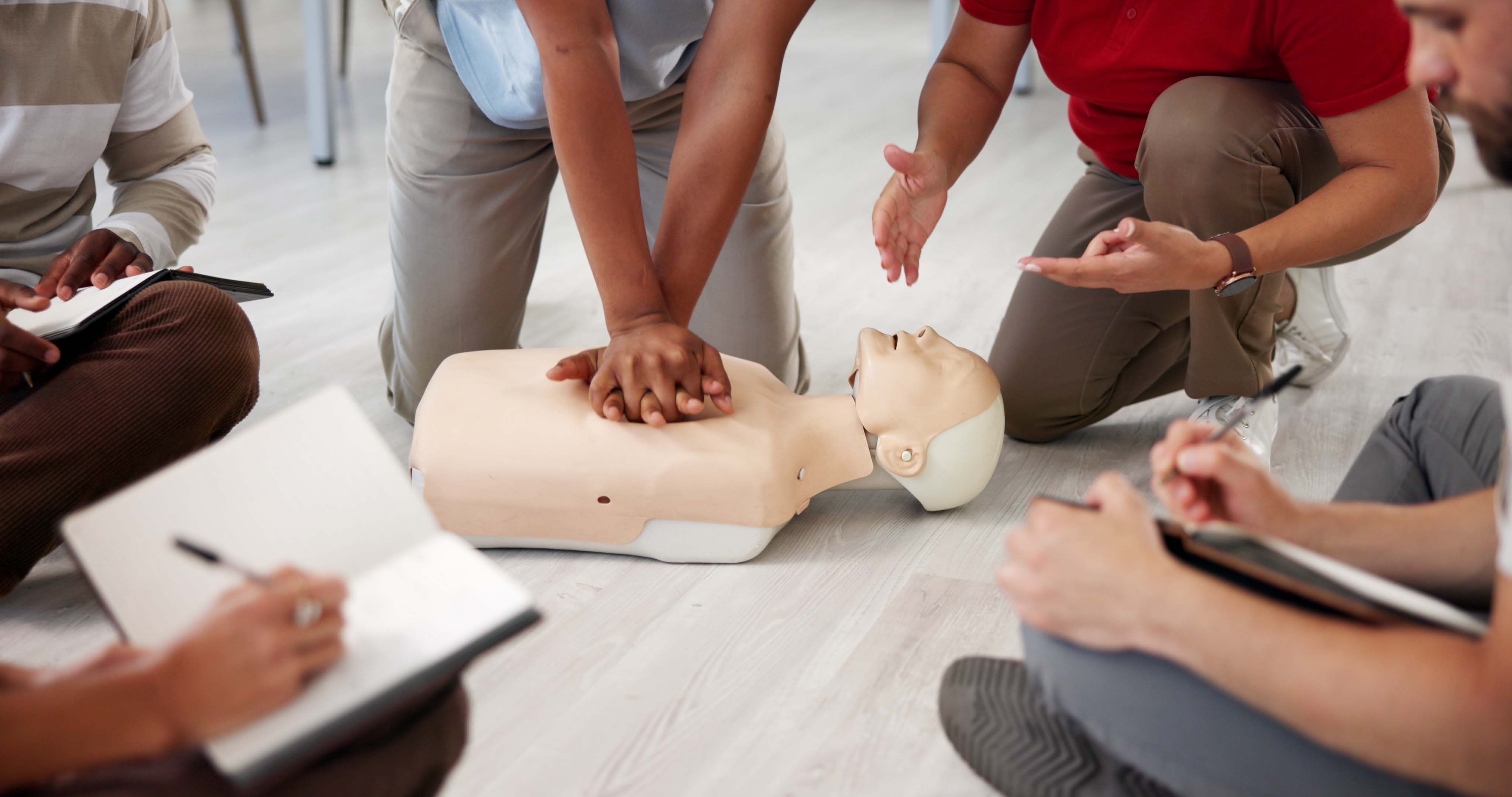
- Practical sessions with mannequins.
- Assessment and feedback from instructors.
Considering Course Location and Schedule
Location and schedule are practical considerations that can impact your choice. Many courses offer flexible scheduling options, including evenings and weekends, to accommodate busy lifestyles. Choosing a location that is conveniently accessible will make attending the course more manageable.
Reading Reviews and Seeking Recommendations
Finally, reading reviews and seeking recommendations from friends, family, or colleagues can provide valuable insights into the quality of a course. Online platforms and community forums are also excellent resources for gathering feedback from past participants.
By carefully evaluating your needs and researching your options, you can find the right CPR course in the Tri-State Area that meets your requirements and equips you with the skills to save lives.