How to Choose the Right First Aid and CPR Course for Your Needs


Understanding the Importance of First Aid and CPR Training
First aid and CPR training can be invaluable, equipping you with the skills needed to save lives in emergencies. Whether you're a parent, teacher, or just someone who wants to be prepared, choosing the right course is crucial for gaining the confidence to act promptly in critical situations.
Determine Your Specific Needs
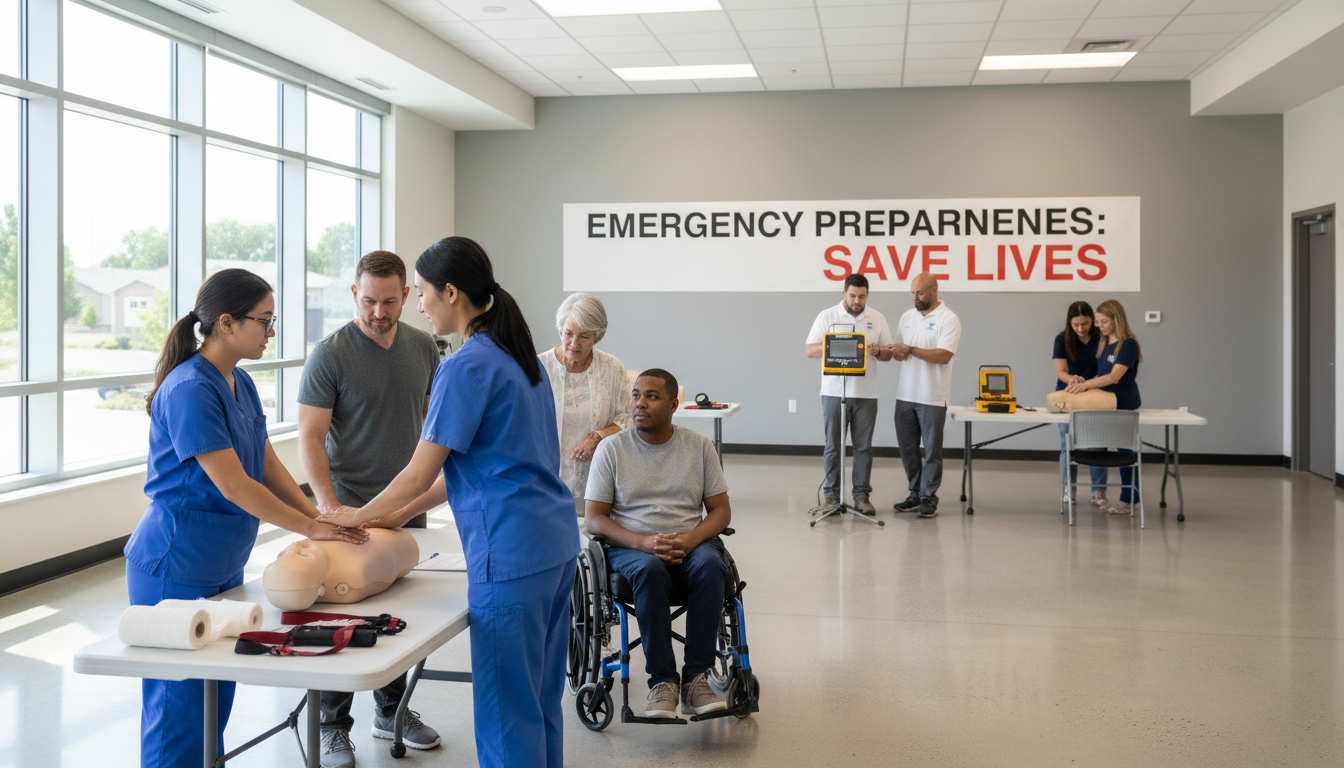
Before enrolling in a course, consider what you need the training for. Are you a healthcare professional looking for a certification, or a parent wanting to ensure your child's safety? Different courses cater to diverse needs, from basic CPR to advanced life support.
Research Available Courses
Various organizations offer first aid and CPR courses, including the Red Cross, American Heart Association, and local community centers. Investigate each provider's reputation, the curriculum they offer, and the credentials of their instructors. This research ensures you choose a course that meets your standards.
Consider the Course Format
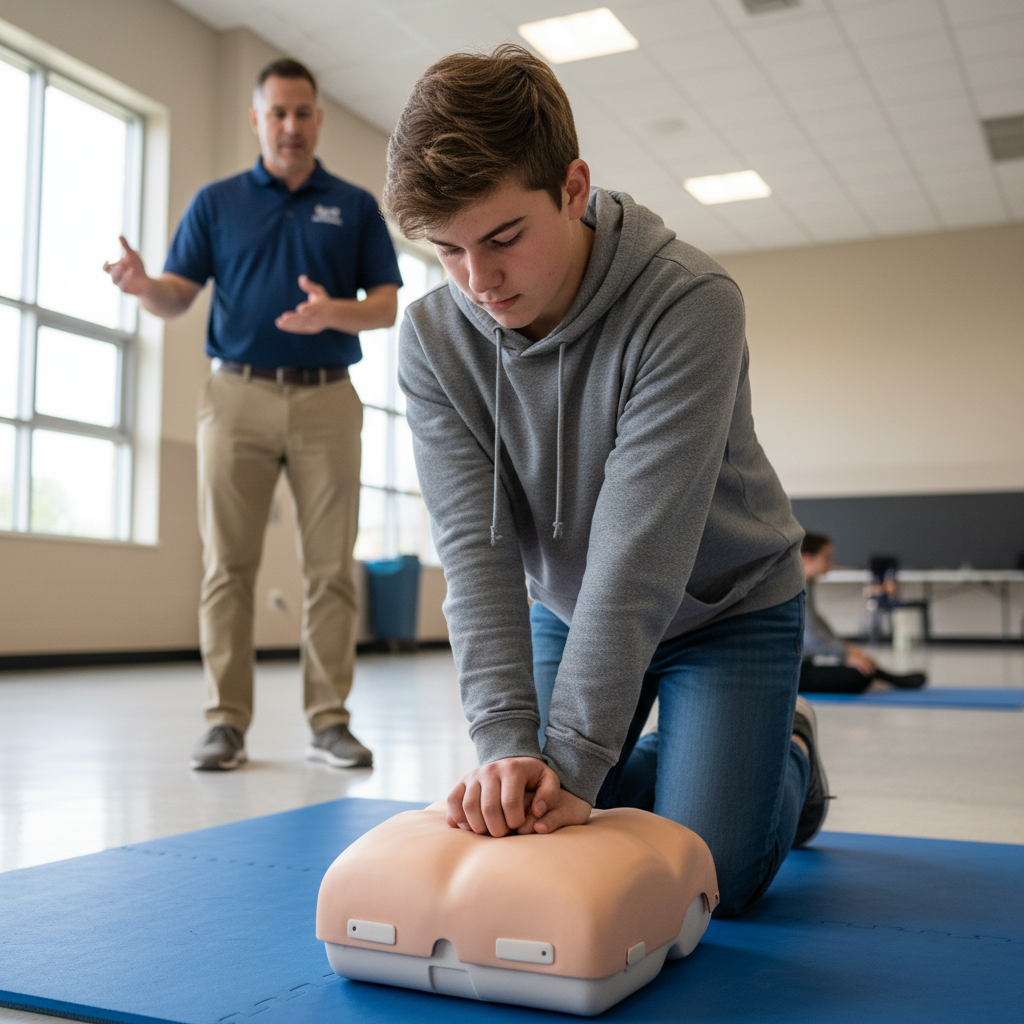
Courses are available in different formats, such as in-person, online, or hybrid. In-person classes offer hands-on practice, which is crucial for mastering techniques. Online courses provide flexibility, allowing you to learn at your own pace. Decide which format best fits your schedule and learning style.
Check Certification and Accreditation
It's essential to enroll in a course that provides recognized certification. Accredited courses ensure that the training meets national standards and is widely accepted by employers and organizations. Look for certifications from reputable bodies, such as the American Red Cross or the American Heart Association.
Evaluate the Course Content
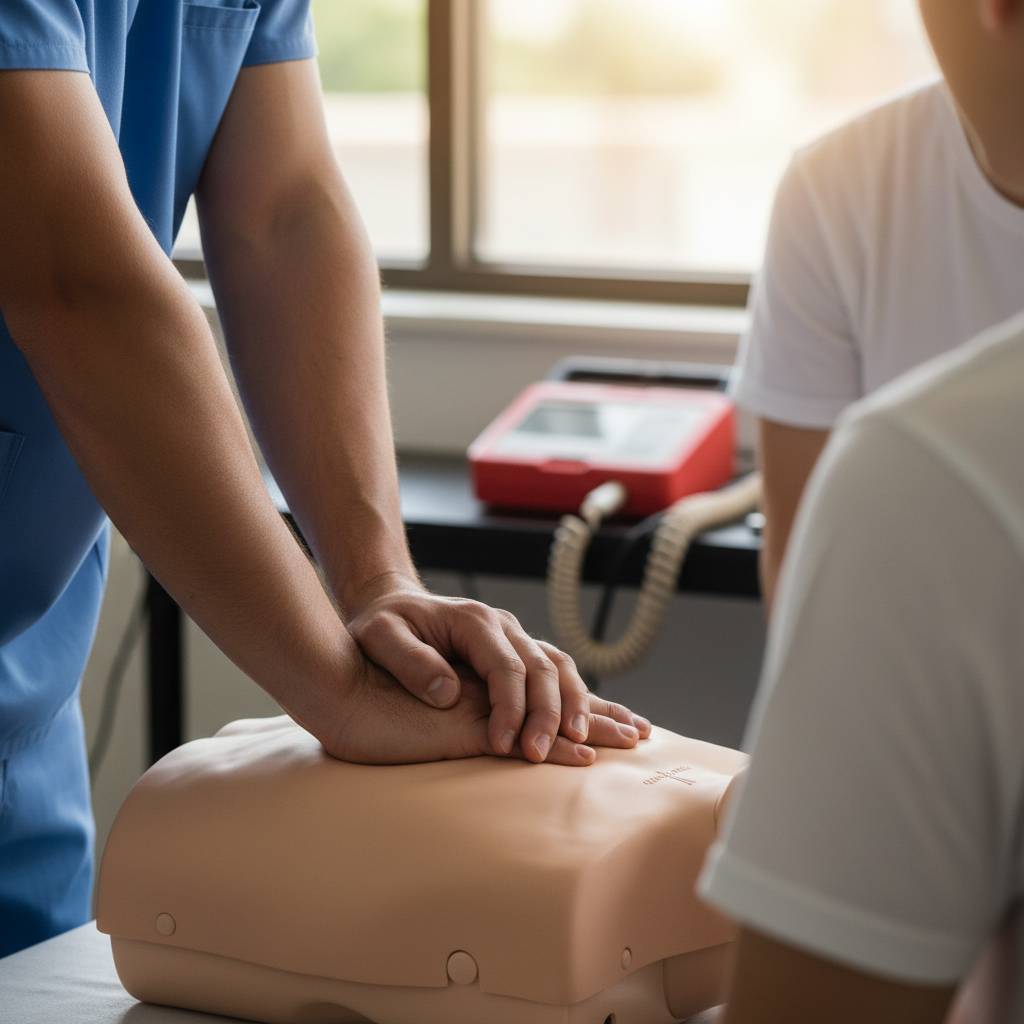
Review the syllabus to ensure it covers essential topics like CPR for adults, children, and infants, basic first aid, and the use of an Automated External Defibrillator (AED). Comprehensive courses should also include information on handling choking, bleeding, and other emergencies.
Consider the Cost and Duration
Courses vary in price and duration. While some may be more expensive, they might offer more in-depth training or additional resources. Balance your budget with the quality of education provided. Some organizations also offer financial aid or discounts, so inquire about these options.
Read Reviews and Testimonials
Feedback from past participants can provide insight into the quality of the course and instructor effectiveness. Look for reviews on independent websites or ask the provider for testimonials. A course with consistently positive feedback is likely to offer valuable training.

Make an Informed Decision
After considering all factors, choose a course that aligns with your goals and schedule. Investing in first aid and CPR training not only enhances your skills but also prepares you to assist in emergencies, potentially saving lives. Remember, the right training can make all the difference.