How to Prepare for a First Aid Course: Essential Tips and Checklist


Understanding the Importance of First Aid Training
Enrolling in a first aid course is a proactive step towards ensuring safety at home, work, or public spaces. These courses equip you with the skills to handle emergencies effectively and can be the difference between life and death. Before you dive into training, it's essential to prepare adequately to maximize your learning experience.
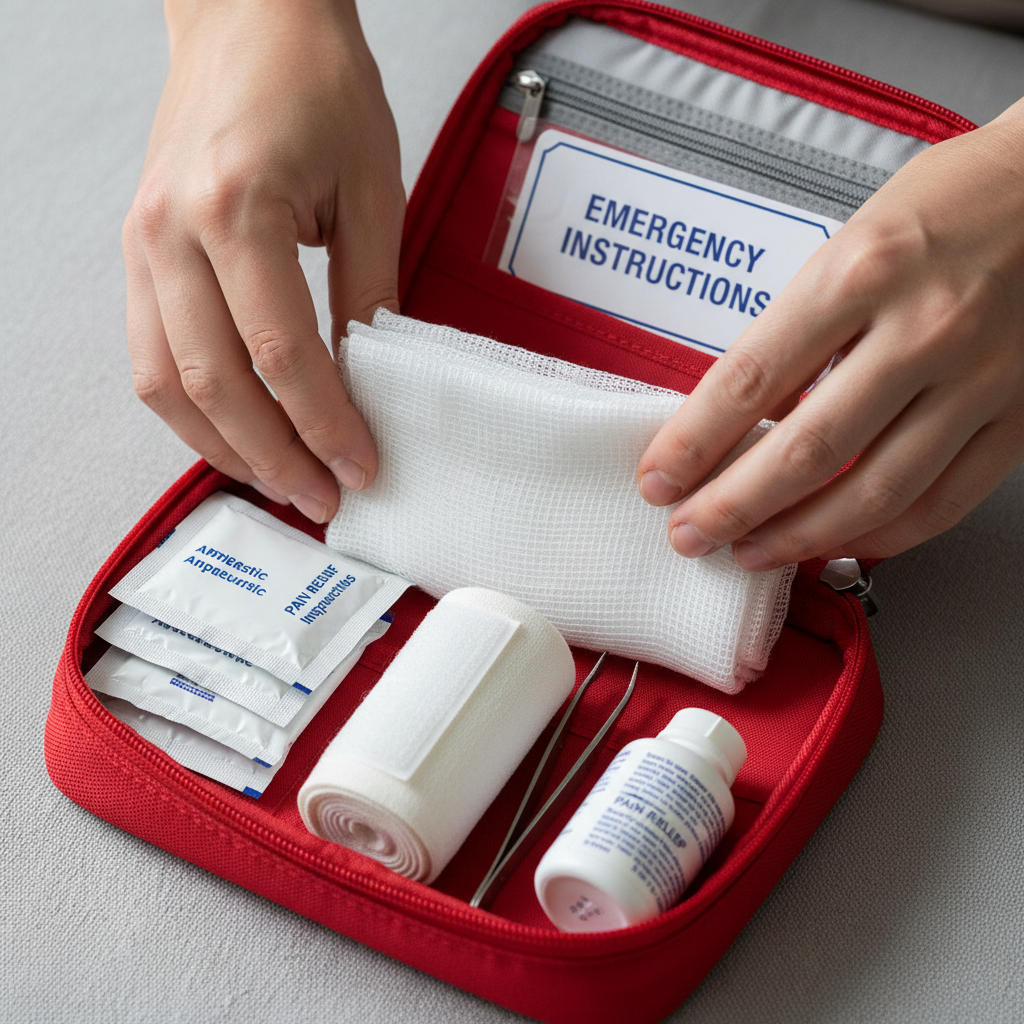
Choosing the Right Course
First, identify the type of first aid course that suits your needs. There are general courses and specialized ones focusing on areas like CPR, pediatric first aid, or workplace safety. Consider your environment and responsibilities to select the most relevant course.
Research various providers to find reputable institutions. Look for courses that are accredited and recognized by health authorities. Reading reviews and asking for recommendations can also help you make an informed decision.
Gathering Necessary Materials
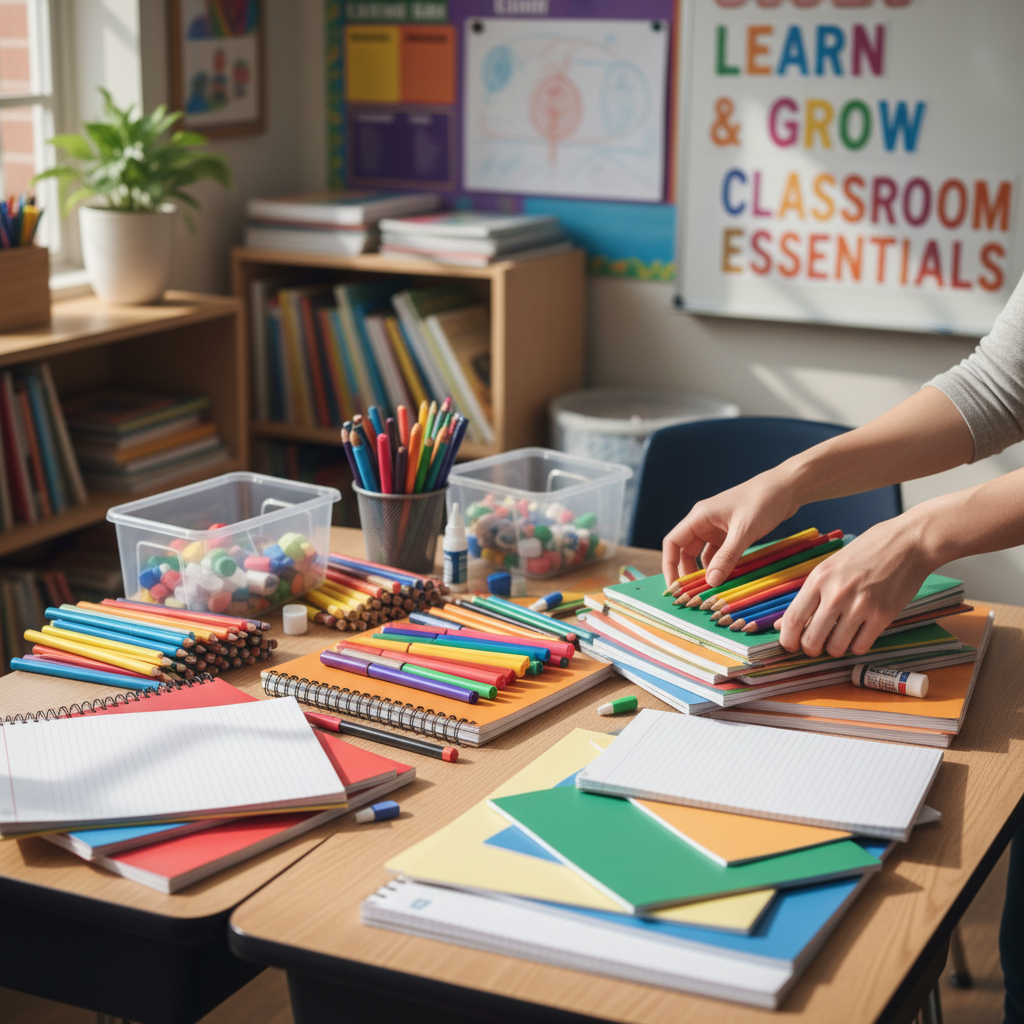
Before attending the course, gather all required materials. Most courses provide a manual or guide, but it can be beneficial to have a personal notebook for additional notes. Ensure you have a pen and a highlighter to mark important information.
Preparing Physically and Mentally
First aid courses often involve practical exercises, so dress comfortably. Wear clothing that allows you to move freely, as you might be practicing CPR or using bandages. Adequate rest before the course is crucial to maintain focus and energy levels.
Approach the course with an open mind and readiness to learn. A positive attitude can enhance your ability to absorb and apply the information effectively.
Understanding Course Content
Familiarize yourself with the course outline beforehand. Knowing what topics will be covered can help you identify areas where you might need to pay extra attention. Common topics include wound care, CPR techniques, and handling fractures.
Participating Actively
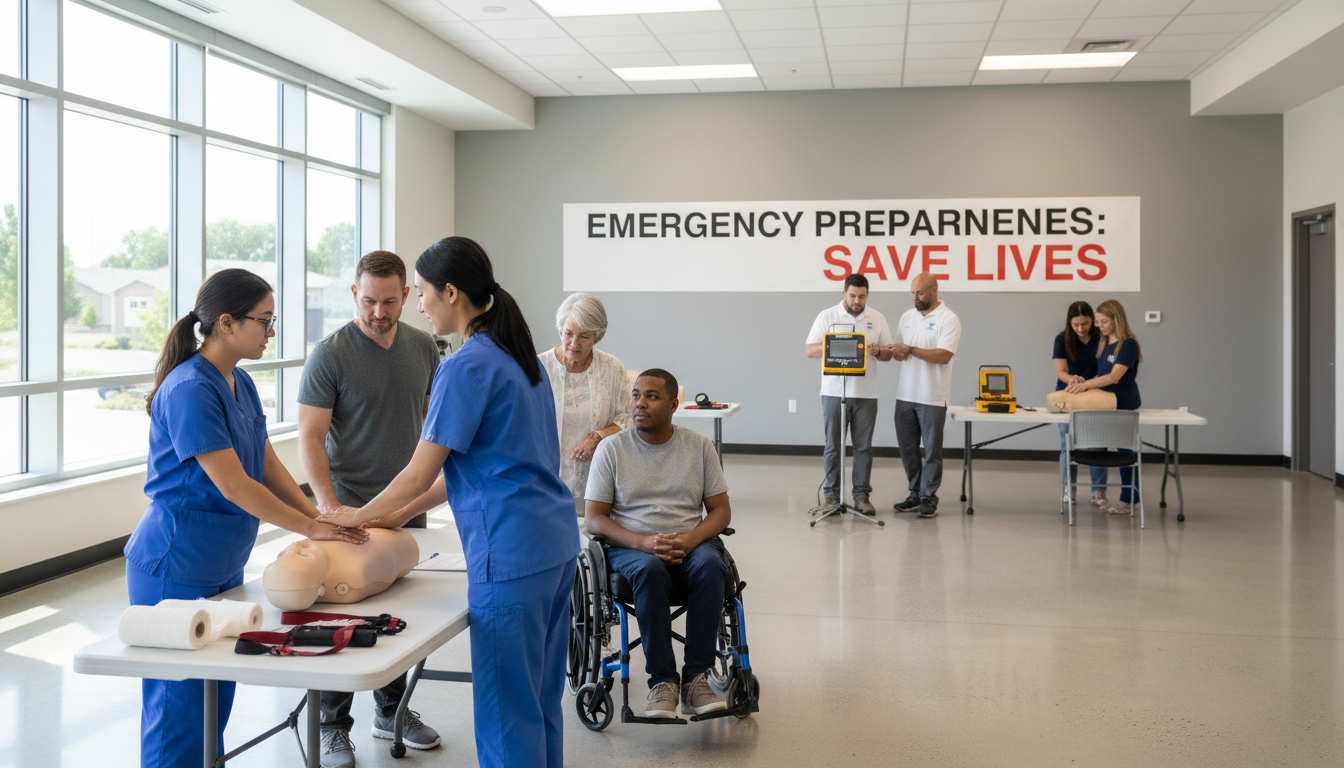
Active participation is key to benefiting from a first aid course. Engage with instructors, ask questions, and practice as much as possible. Hands-on experience is invaluable in building confidence and competence.
Collaborate with fellow participants during group activities. Sharing experiences and insights can enrich your understanding and provide different perspectives on handling emergencies.
Post-Course Evaluation and Practice
After completing the course, evaluate your newfound knowledge. Reflect on what you've learned and identify any areas needing improvement. Regular practice is vital to retaining skills, so consider revisiting your notes and practicing techniques periodically.
Building a First Aid Kit
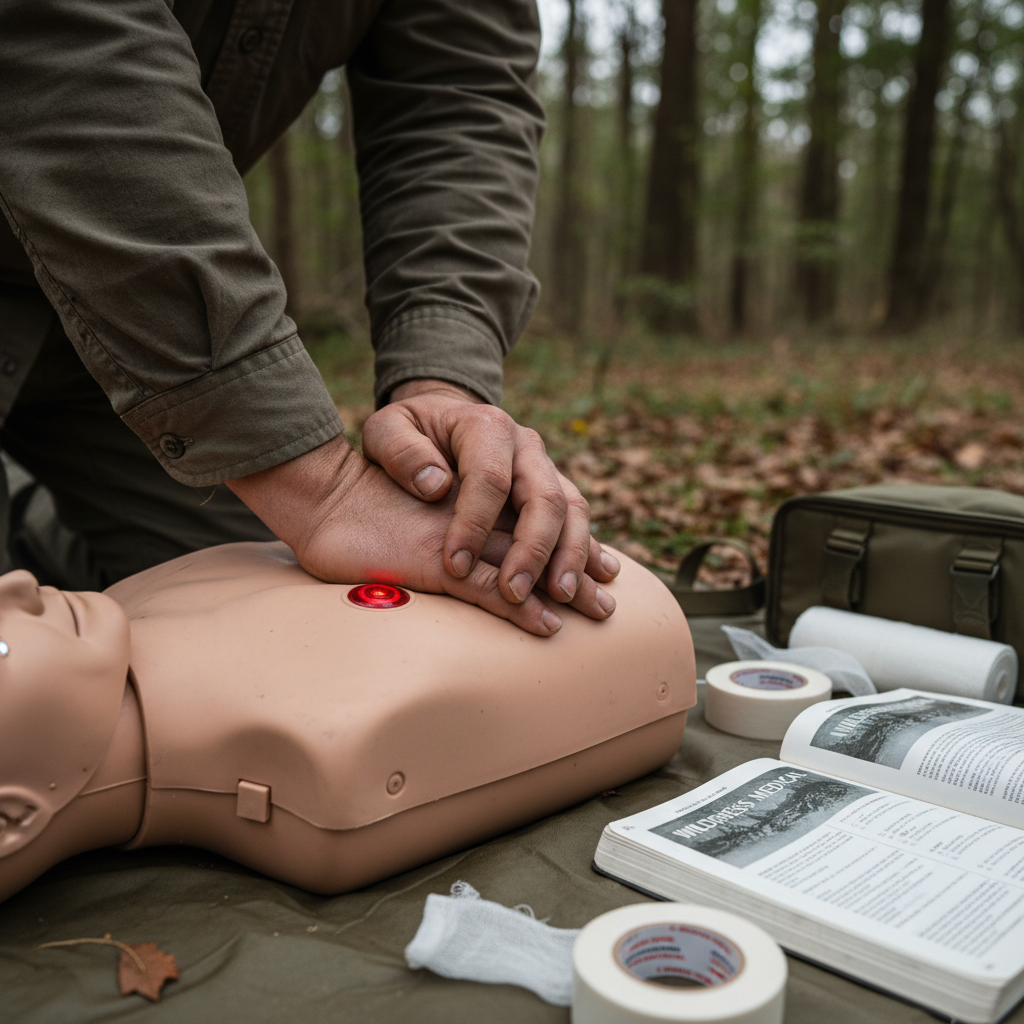
Finally, ensure you have a well-stocked first aid kit at home or work. Include items like bandages, antiseptic wipes, adhesive tape, and a CPR face shield. Regularly check and replenish your kit to keep it ready for emergencies.
By following these essential tips and checklist, you can fully prepare for your first aid course and equip yourself with life-saving skills.