How to Prepare for Your First CPR Certification Class


Understanding the Importance of CPR
Cardiopulmonary resuscitation (CPR) is a vital skill that can save lives in emergency situations. Whether you're looking to enhance your safety skills or need certification for your job, preparing for your first CPR class is an important step. This guide will help you understand what to expect and how to make the most of your learning experience.
Research the Course Requirements
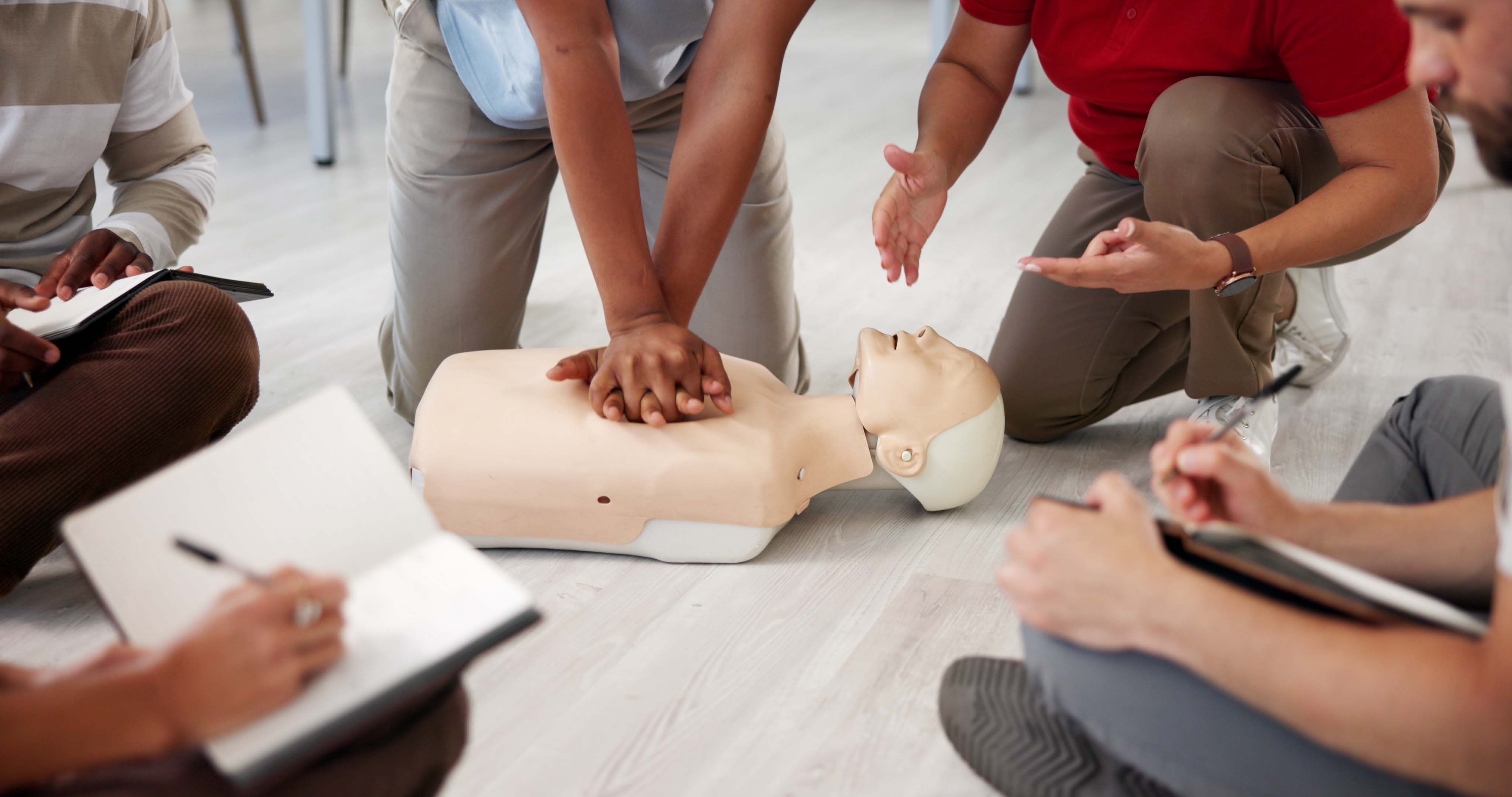
Before attending your CPR certification class, it's essential to know the specific requirements and structure of the course. Most classes will cover both adult and pediatric CPR, and some may include the use of an Automated External Defibrillator (AED). Check with the course provider to ensure you meet any prerequisites and bring any necessary materials, such as a notebook or pen.
Understanding the course content ahead of time can help you focus on areas where you might need extra practice. Some courses offer online materials or pre-class reading, so take advantage of these resources to familiarize yourself with the basics.
Dress Comfortably
CPR training involves a lot of hands-on practice, so wearing comfortable clothing is essential. Opt for loose-fitting clothes that allow you to move freely. You’ll likely be kneeling on the floor to practice chest compressions, so consider wearing pants or long shorts for comfort.

Practice Basic Skills
If you're nervous about your first class, practicing some basic skills at home can help boost your confidence. You can watch instructional videos online to get a sense of the techniques you'll be learning. While you won’t become proficient without proper training, having a basic understanding can ease first-day jitters.
Additionally, practice staying calm and focused. Emergency situations require a clear mind, and beginning to cultivate these skills early on will benefit you during your training.
Understand the Role of an Instructor
Instructors play a crucial role in guiding you through your CPR certification. They are experienced professionals who can answer your questions and provide personalized feedback. Engage actively with your instructor and classmates to gain insights and clarify any doubts.

Prepare Mentally
CPR classes can be intense, as they deal with life-and-death scenarios. It's important to prepare mentally for this aspect of the training. Remember that your goal is to learn and improve, and making mistakes is part of the process. Approach the class with an open mind and a willingness to learn.
Staying positive and motivated will enhance your ability to absorb information and refine your skills. Take breaks if needed, and don’t hesitate to ask for help if you find certain parts challenging.
Review and Practice Regularly
After completing your CPR class, regular practice is key to retaining what you've learned. Set aside time to review the skills and techniques, and keep your certification up to date. Many organizations offer refresher courses, which can be valuable in maintaining your proficiency.
By following these steps, you’ll be well-prepared for your first CPR certification class. Embrace the opportunity to learn this life-saving skill, and remember the impact it can have in critical situations.