Local Regulations and Requirements for First Aid Training in Pennsylvania, Maryland, and Delaware


Understanding Local Regulations for First Aid Training
First aid training is a critical component for ensuring safety in the workplace and community. In Pennsylvania, Maryland, and Delaware, specific regulations and requirements govern how first aid training should be conducted. Understanding these regulations is essential for businesses and individuals looking to comply with state laws and ensure the well-being of their communities.
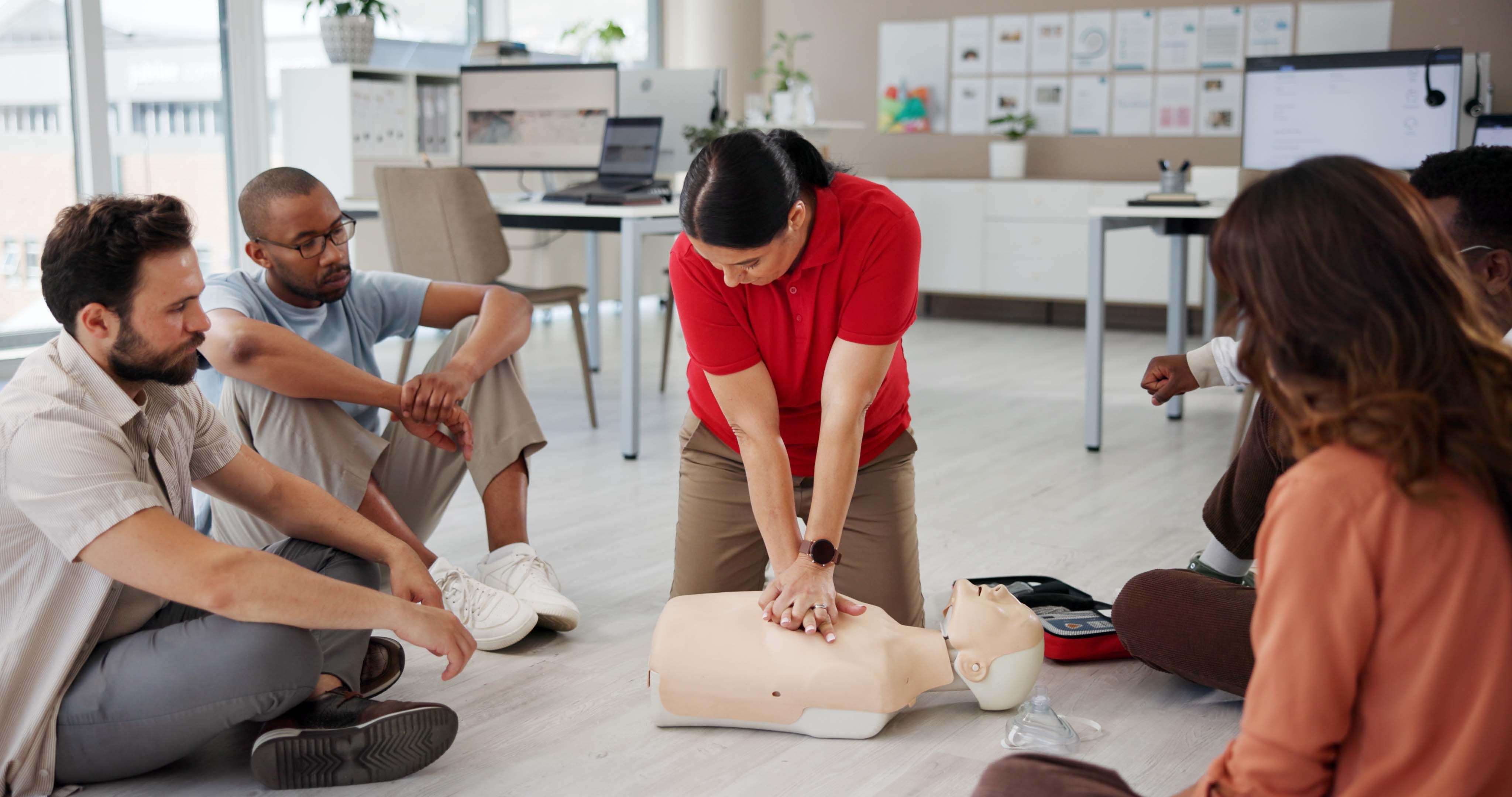
Pennsylvania's First Aid Training Requirements
In Pennsylvania, the Department of Health outlines guidelines for first aid training, particularly for businesses and educational institutions. Employers are generally required to ensure that adequate first aid supplies and trained personnel are available. While CPR and automated external defibrillator (AED) training are often recommended, they may not be mandatory for all businesses. However, industries with higher risks, such as construction, often have stricter requirements.
Schools and childcare facilities in Pennsylvania are subject to specific regulations mandating first aid and CPR training for staff. This helps ensure that children are in a safe and responsive environment. Compliance with these regulations is crucial for the safety of employees and the public.
Maryland's Approach to First Aid Training
Maryland places a strong emphasis on first aid and emergency preparedness. The state requires that certain industries, particularly those involving childcare and healthcare, maintain a workforce trained in first aid and CPR. Maryland's regulations align with federal Occupational Safety and Health Administration (OSHA) standards, ensuring a high level of safety in the workplace.

Additionally, the Maryland Institute for Emergency Medical Services Systems (MIEMSS) provides resources and certification programs to facilitate compliance. This includes offering courses that are recognized at both the state and national levels, ensuring that training remains consistent and effective.
Delaware's Standards for First Aid Training
Delaware mandates that businesses, especially those in high-risk sectors, maintain a trained first aid team. Schools and daycare centers are also required to have staff trained in CPR and first aid, ensuring a rapid response during emergencies. The Delaware Office of Emergency Medical Services oversees these regulations and provides guidance to organizations on maintaining compliance.
Delaware offers a variety of training programs, often in partnership with local organizations and healthcare providers, to make it easier for businesses to access high-quality first aid training. Staying informed about these regulations helps businesses avoid legal issues and promotes a safer community.

Choosing the Right Training Program
When selecting a first aid training program in these states, it’s essential to ensure that the program meets state and federal guidelines. Look for programs that offer certification recognized by major organizations like the American Red Cross or American Heart Association. This not only ensures compliance but also enhances the credibility of the training provided.
Furthermore, consider the specific needs of your industry and workforce. Training programs can often be tailored to address the unique risks associated with different work environments, ensuring that your team is prepared for any situation.
Conclusion
Understanding and adhering to local regulations and requirements for first aid training in Pennsylvania, Maryland, and Delaware is vital for legal compliance and community safety. By investing in comprehensive training programs, businesses and institutions can foster a safer environment and enhance their ability to respond effectively in emergencies.
Stay proactive and informed about the latest requirements to ensure that your organization remains compliant and prepared to handle any first aid situation that may arise.