Myth-Busting: Common Misconceptions About CPR and First Aid


Understanding CPR: What It Really Involves
Cardiopulmonary resuscitation, or CPR, is a life-saving technique used in emergencies when someone's breathing or heartbeat has stopped. A common misconception is that CPR is only for medical professionals. In reality, anyone can learn CPR and potentially save a life. Training courses are widely available and equip individuals with the skills needed to perform CPR effectively.
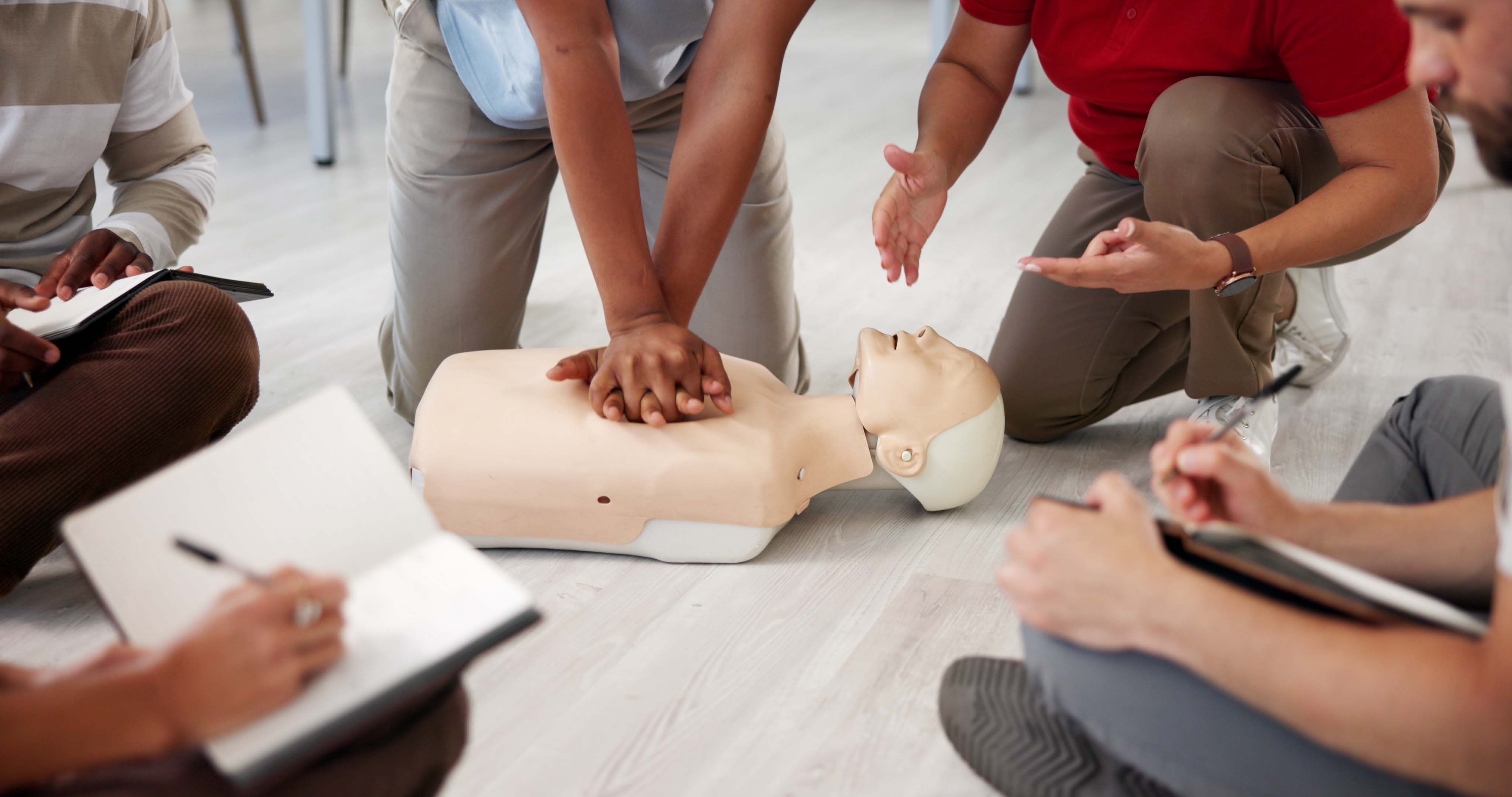
Another myth is that CPR is always successful. While it's a crucial intervention, the success rate depends on several factors, including the timeliness of the response and the underlying health of the individual. It's important to remember that providing CPR can significantly increase the chances of survival until professional medical help arrives.
The Fear of Doing More Harm Than Good
Many people hesitate to perform CPR due to the fear of causing harm. It's essential to understand that when someone is unresponsive and not breathing, the risk of not doing anything is far greater than the potential risk of injury. Performing CPR can only improve the victim's chances of survival.
It's also a misconception that CPR must be perfect to be effective. Even if you're unsure or untrained, attempting CPR is better than doing nothing. Good Samaritan laws in many regions protect those who assist in emergencies.
First Aid: Beyond Band-Aids
First aid is often associated with minor injuries, but it encompasses a wide range of skills that can be critical in emergencies. Some people believe that first aid is unnecessary if emergency services are on the way. However, administering proper first aid can stabilize a person’s condition and prevent further harm while waiting for professionals.
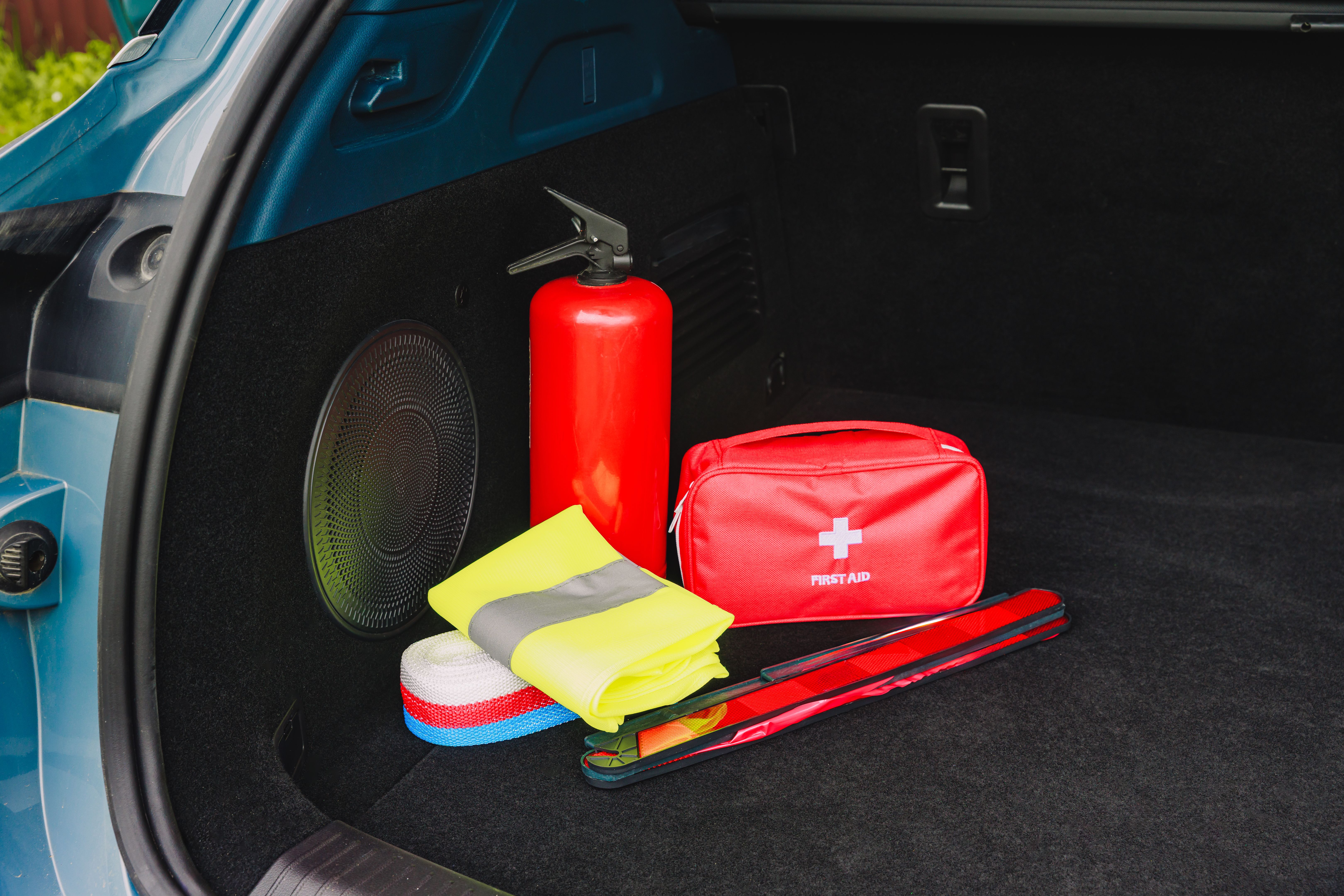
Another common misconception is that all first aid requires specialized equipment. While having a well-stocked first aid kit is beneficial, many first aid measures can be performed with everyday items or improvised tools. The key is understanding the basic principles of care and being resourceful.
Misunderstandings About Common First Aid Practices
One of the persistent myths is that you should put butter or oil on burns. This can actually trap heat and cause further damage. Instead, burns should be cooled with running water and covered with a sterile dressing. Knowing the correct actions can make all the difference.
Similarly, some believe that you should induce vomiting in cases of poisoning. This is not recommended, as it can cause additional harm. Instead, it's crucial to contact emergency services or a poison control center for guidance.
The Importance of Continuous Learning
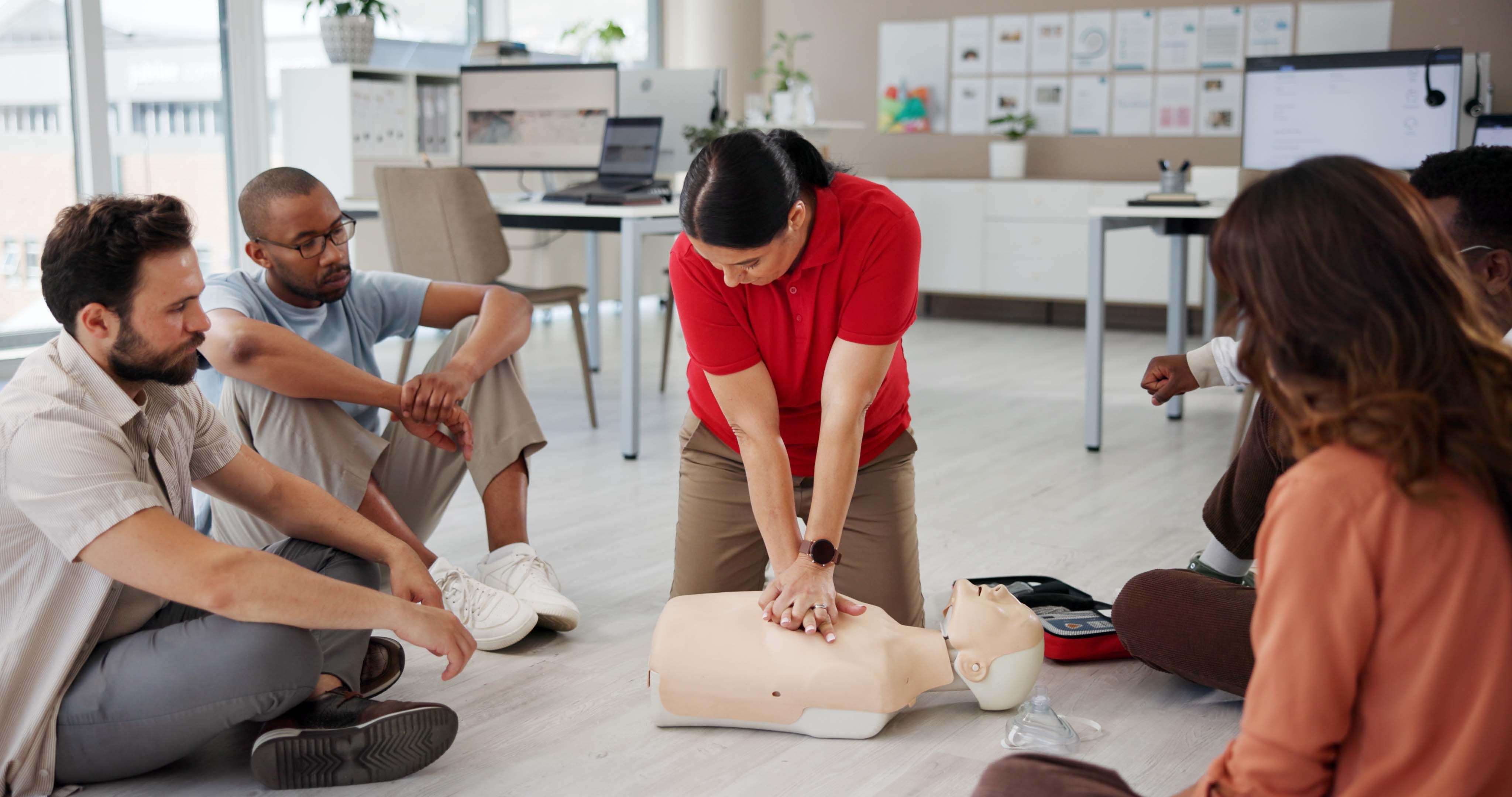
First aid and CPR knowledge are not static; guidelines and best practices evolve over time. Regularly refreshing your skills and staying updated with the latest information is vital. Many organizations offer refresher courses to keep your knowledge current and your response skills sharp.
Ultimately, the most important takeaway is that taking action in an emergency can save lives. Educating yourself about CPR and first aid, and dispelling myths, empowers you to respond effectively and confidently. Remember, in emergencies, your actions can make a critical difference.