Myth-Busting CPR: Common Misconceptions and the Truth Behind Them


Understanding the Basics of CPR
Cardiopulmonary resuscitation (CPR) is a vital emergency procedure that can save lives during cardiac arrest. However, many misconceptions surround its practice, leading to confusion and hesitation. In this article, we'll debunk some common myths about CPR and provide the truths that everyone should know.
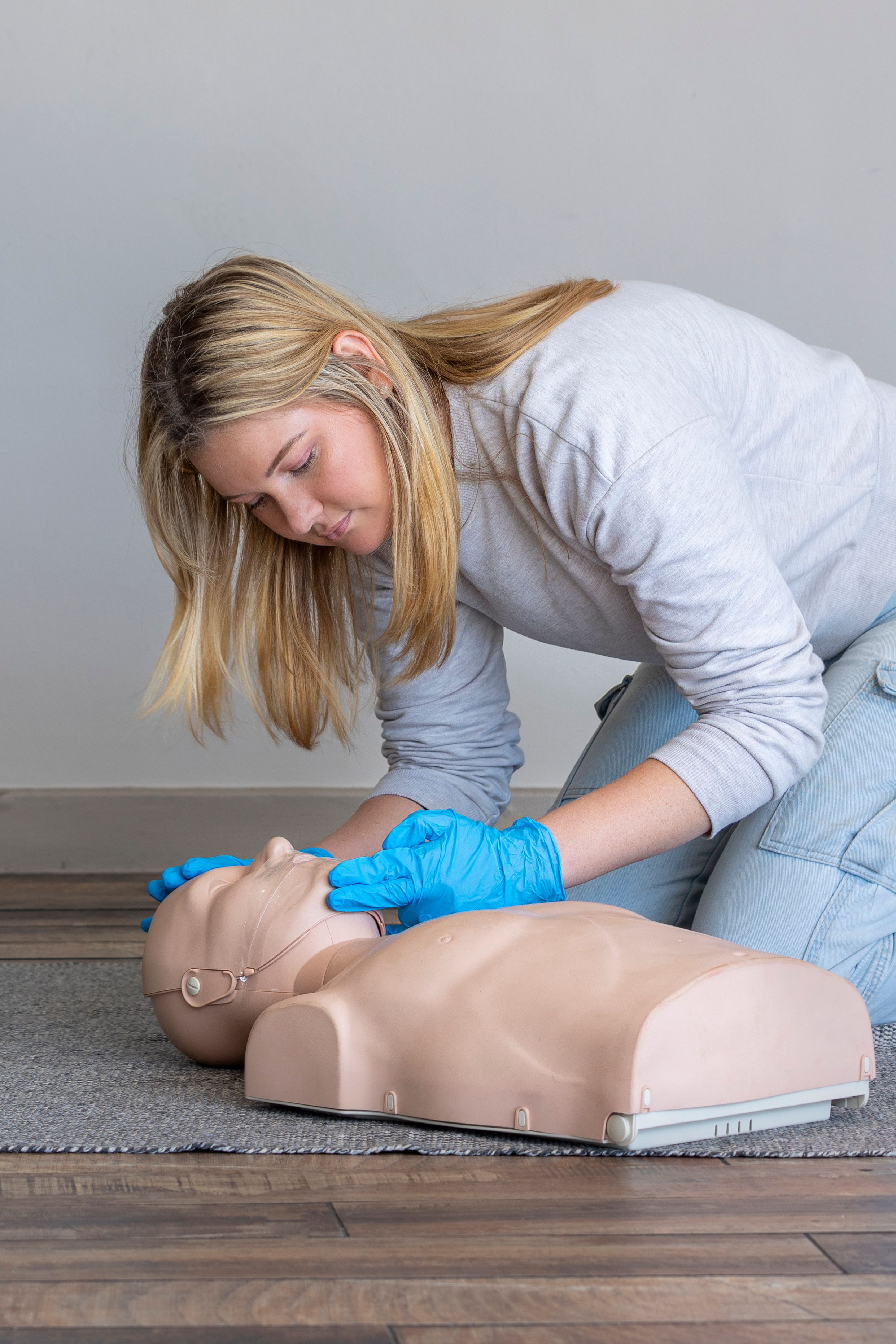
Myth: Only Professionals Can Perform CPR
It's a widespread belief that only trained medical professionals can effectively perform CPR. In reality, anyone can learn and perform CPR. The American Heart Association recommends that everyone, including bystanders, learn basic CPR techniques. Even hands-only CPR, which involves chest compressions without rescue breaths, can significantly increase the chances of survival.
Myth: You Might Hurt the Person by Doing CPR
While it's possible to cause injury during CPR, such as rib fractures, these injuries are not life-threatening compared to the consequences of not performing CPR. The priority is to maintain blood flow and oxygen to vital organs until professional help arrives. Remember, doing something is better than doing nothing.
CPR Techniques and Timing
Another common misconception is about the correct technique and timing for CPR. Many people believe that CPR involves complex steps, but it can be broken down into simple actions that anyone can follow.

Myth: CPR is Not Effective in Older Adults
Some people think CPR is less effective in older adults, but age should not be a factor in deciding whether to perform CPR. The technique can be equally beneficial for individuals of all ages. In fact, immediate CPR can double or triple survival rates in cardiac arrest victims, regardless of their age.
Myth: You Need to Perform Mouth-to-Mouth Resuscitation
While traditional CPR includes rescue breaths, hands-only CPR is now recommended for bystanders who are untrained or uncomfortable with mouth-to-mouth resuscitation. By focusing on chest compressions, you can still provide life-saving assistance. This approach is just as effective in many cases and encourages more people to take action.
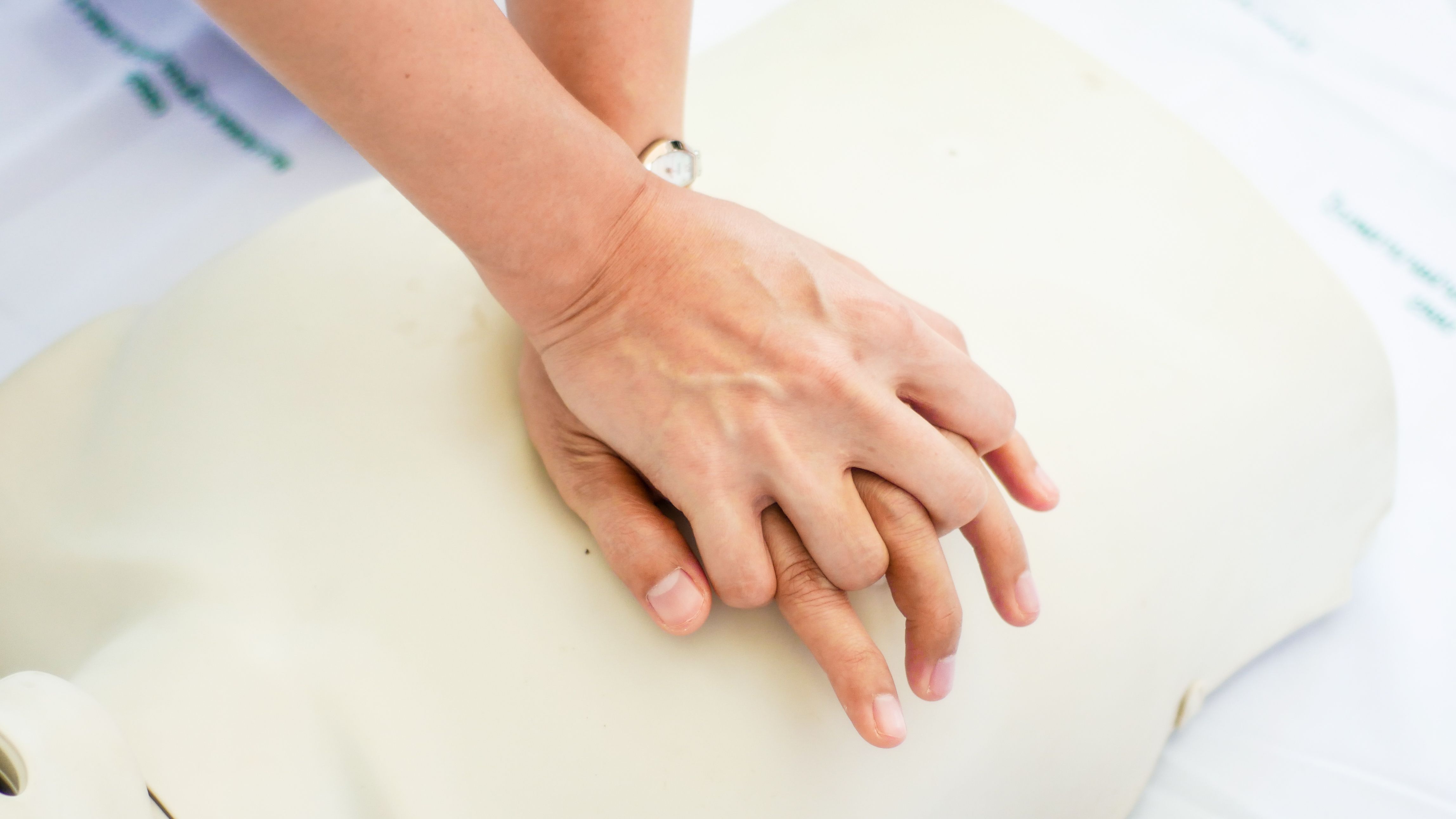
Getting Involved and Making a Difference
One of the most critical aspects of CPR is the willingness to get involved. Fear of doing something wrong often prevents people from stepping in during emergencies. Understanding the facts about CPR can empower more individuals to act confidently and potentially save lives.
Myth: CPR Always Revives the Person
While CPR is crucial, it's not a guarantee that the person will be revived. Its primary goal is to maintain circulation until emergency medical services arrive. Nonetheless, performing CPR can significantly improve the odds of survival and recovery.
In conclusion, dispelling myths about CPR and understanding the truth can make a significant difference in emergency situations. By increasing awareness and education, more people can be prepared to take action and save lives.