Navigating Local CPR and First Aid Regulations in Pennsylvania, Maryland, and Delaware


Understanding Local CPR and First Aid Regulations
When it comes to emergency preparedness, knowing the local regulations for CPR and first aid training is crucial. For residents and professionals in Pennsylvania, Maryland, and Delaware, staying informed can make a significant difference in both compliance and safety.
Each state has its own set of rules that govern how CPR and first aid training should be conducted, who needs certification, and how often it must be renewed. Understanding these regulations ensures that individuals and businesses can respond effectively in emergencies.
Pennsylvania CPR and First Aid Requirements
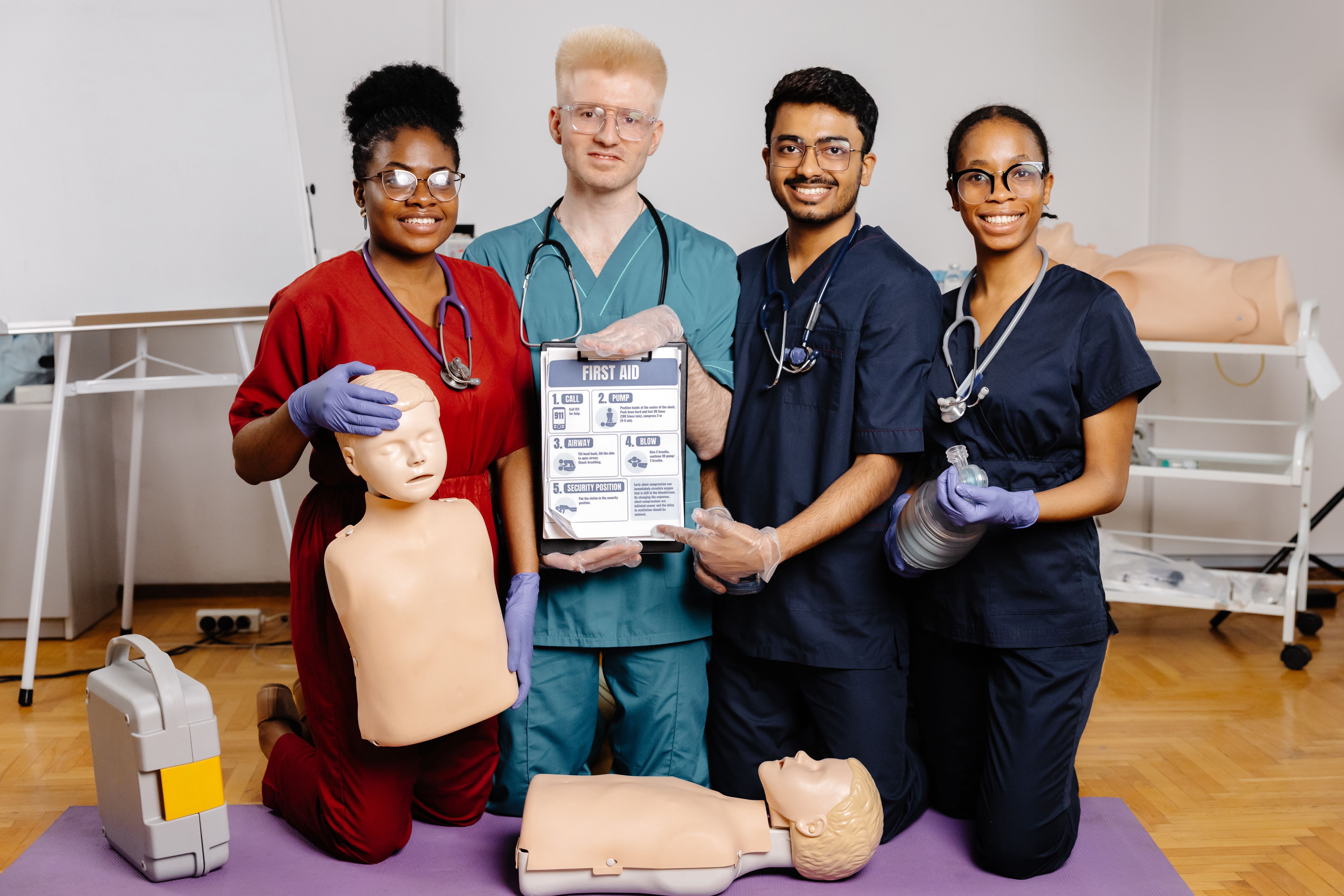
In Pennsylvania, CPR and first aid training are often required for professionals in health-related fields, educators, and childcare providers. The state mandates that training programs must be accredited by recognized organizations such as the American Heart Association or the American Red Cross.
Certification typically lasts two years, after which individuals must undergo recertification to ensure their skills and knowledge remain up to date. This requirement helps maintain high standards of safety and preparedness across the state.

Maryland's Approach to CPR and First Aid
Maryland emphasizes the importance of CPR and first aid training in various sectors, including schools and healthcare facilities. Like Pennsylvania, Maryland requires that training programs be conducted by accredited providers.
The state also offers community-based training initiatives to encourage widespread knowledge and preparedness. These programs are designed to equip as many residents as possible with life-saving skills, contributing to overall public safety.
Delaware's CPR and First Aid Regulations
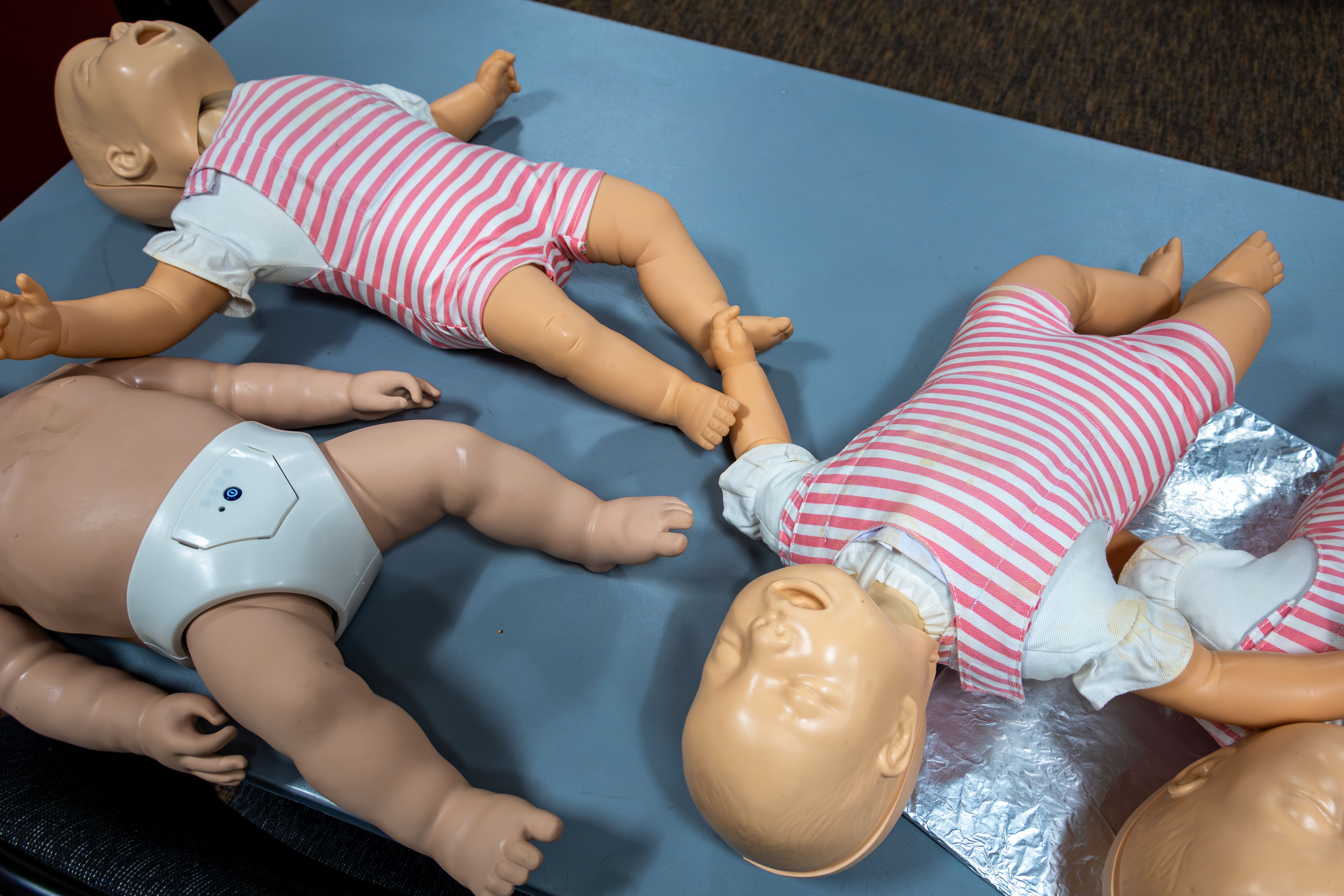
Delaware has a proactive approach to emergency preparedness, requiring CPR and first aid certification for many professions. The state also encourages businesses to have trained personnel on-site to handle emergencies effectively.
Training in Delaware is often aligned with national standards, ensuring consistency and quality. This alignment helps participants gain confidence in their ability to manage real-life situations.
Choosing the Right Training Program
When selecting a CPR and first aid training program, it’s essential to choose one that complies with your state’s regulations. Accredited programs often provide comprehensive training and recognized certification, which is crucial for both personal and professional purposes.
Consider factors such as the program’s reputation, the qualifications of the instructors, and the flexibility of the training schedule to ensure it meets your needs.

Benefits of Staying Certified
Maintaining valid CPR and first aid certification offers numerous benefits. It not only ensures compliance with local laws but also empowers individuals with the confidence to act swiftly in emergencies. This preparedness can save lives and prevent injuries, making communities safer.
Employers also benefit from having certified staff, as it enhances workplace safety and can reduce the risk of liability in emergency situations.
Conclusion
Navigating local CPR and first aid regulations in Pennsylvania, Maryland, and Delaware requires understanding and adherence to specific state guidelines. Whether you're an individual seeking certification or a business ensuring compliance, staying informed is key to effective emergency preparedness.
By participating in accredited training programs and maintaining your certification, you contribute to a safer and more responsive community.