Preparing for Emergency Situations: Essential First Aid Skills Everyone Should Know


Understanding the Importance of First Aid
In an emergency situation, knowing how to administer first aid can be the difference between life and death. Whether it's a minor scrape or a more serious injury, having the right skills can help stabilize the situation until professional medical help arrives. First aid not only saves lives but also helps reduce recovery time and can even prevent a condition from worsening.
Being prepared for emergencies means being equipped with the knowledge of essential first aid skills. This includes knowing how to assess a situation, perform CPR, and effectively use a first aid kit. These skills are crucial, especially in situations where immediate medical attention is unavailable.
Assessing the Situation
The first step in any emergency is to assess the situation. This involves checking the scene for any potential dangers and determining the nature of the injury or illness. It's crucial to stay calm and collected, as panic can exacerbate the situation. Once you've assessed the situation, you can then decide on the appropriate action to take.
Always prioritize calling emergency services if the situation is life-threatening. While waiting for help to arrive, you can provide immediate care to the victim. Remember, your safety is paramount, so ensure the environment is safe before proceeding with any first aid measures.
Performing CPR
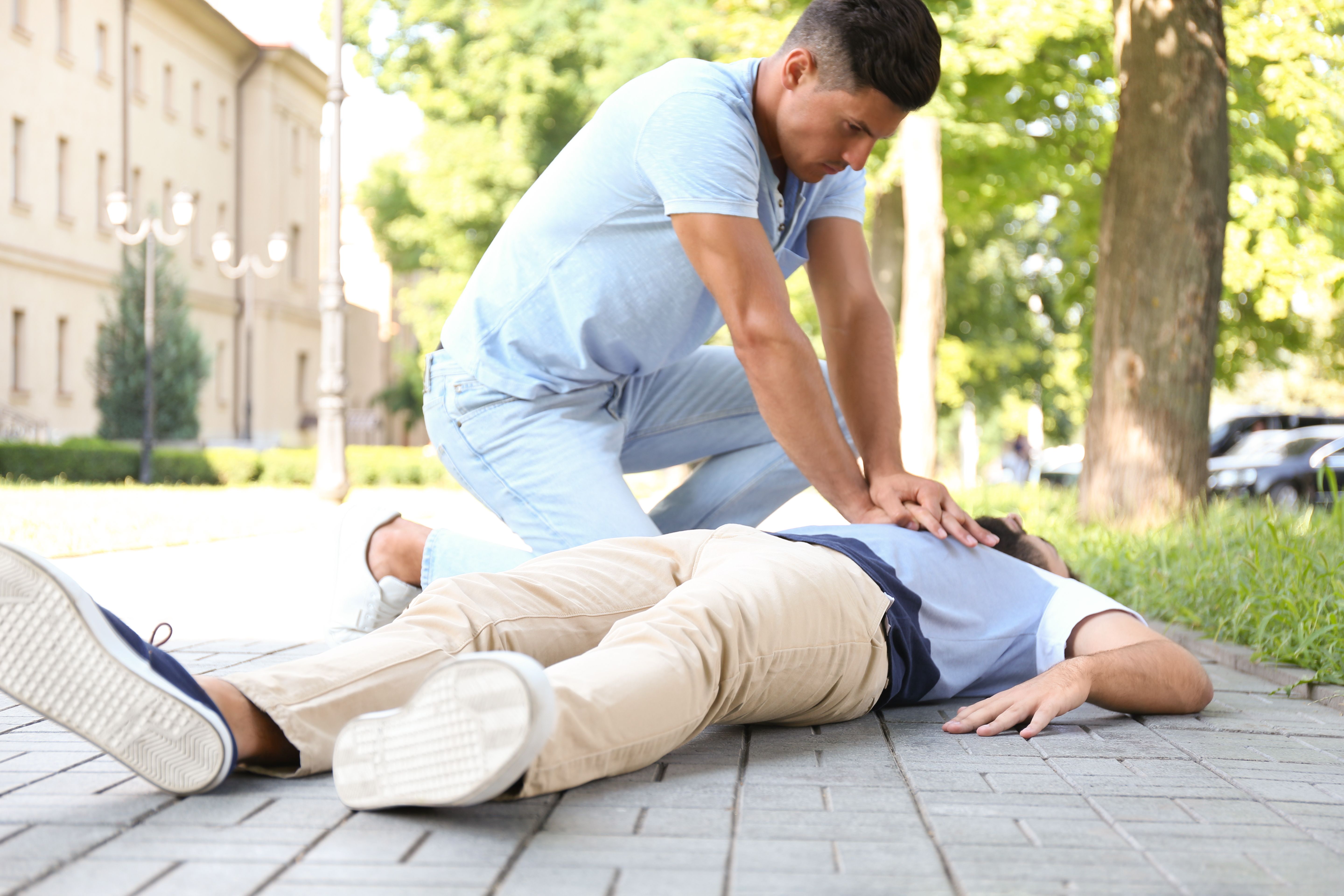
Cardiopulmonary resuscitation (CPR) is one of the most vital first aid skills to learn. CPR can help maintain blood flow to the brain and heart in the event of cardiac arrest. To perform CPR, follow these basic steps:
- Ensure the person is lying flat on their back on a firm surface.
- Place the heel of one hand on the center of the person's chest, with your other hand on top.
- With straight arms, use your body weight to compress the chest at least 2 inches deep at a rate of 100-120 compressions per minute.
- If trained, provide rescue breaths after every 30 compressions.
Continue CPR until medical professionals arrive or the person shows signs of life.
Using a First Aid Kit
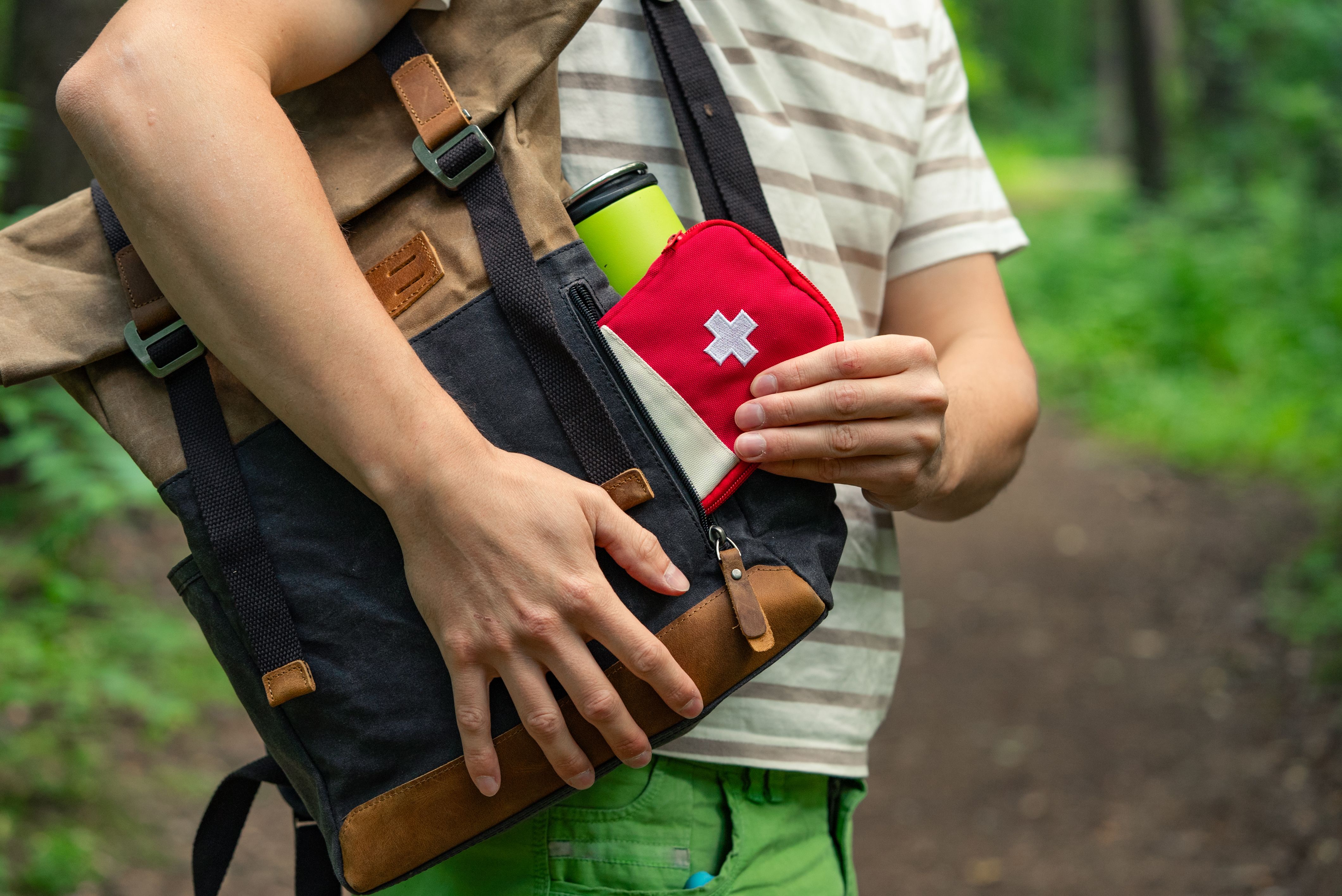
A well-stocked first aid kit is essential for handling emergencies effectively. It should include bandages, antiseptic wipes, adhesive tape, scissors, tweezers, and a CPR mask, among other items. Regularly check your kit to ensure all items are in good condition and replenish supplies as needed.
Knowing how to properly use the items in your first aid kit is as important as having the kit itself. For instance, understanding how to clean and dress wounds can prevent infections and promote faster healing. Always follow the latest guidelines and instructions when using first aid supplies.
Handling Common Injuries
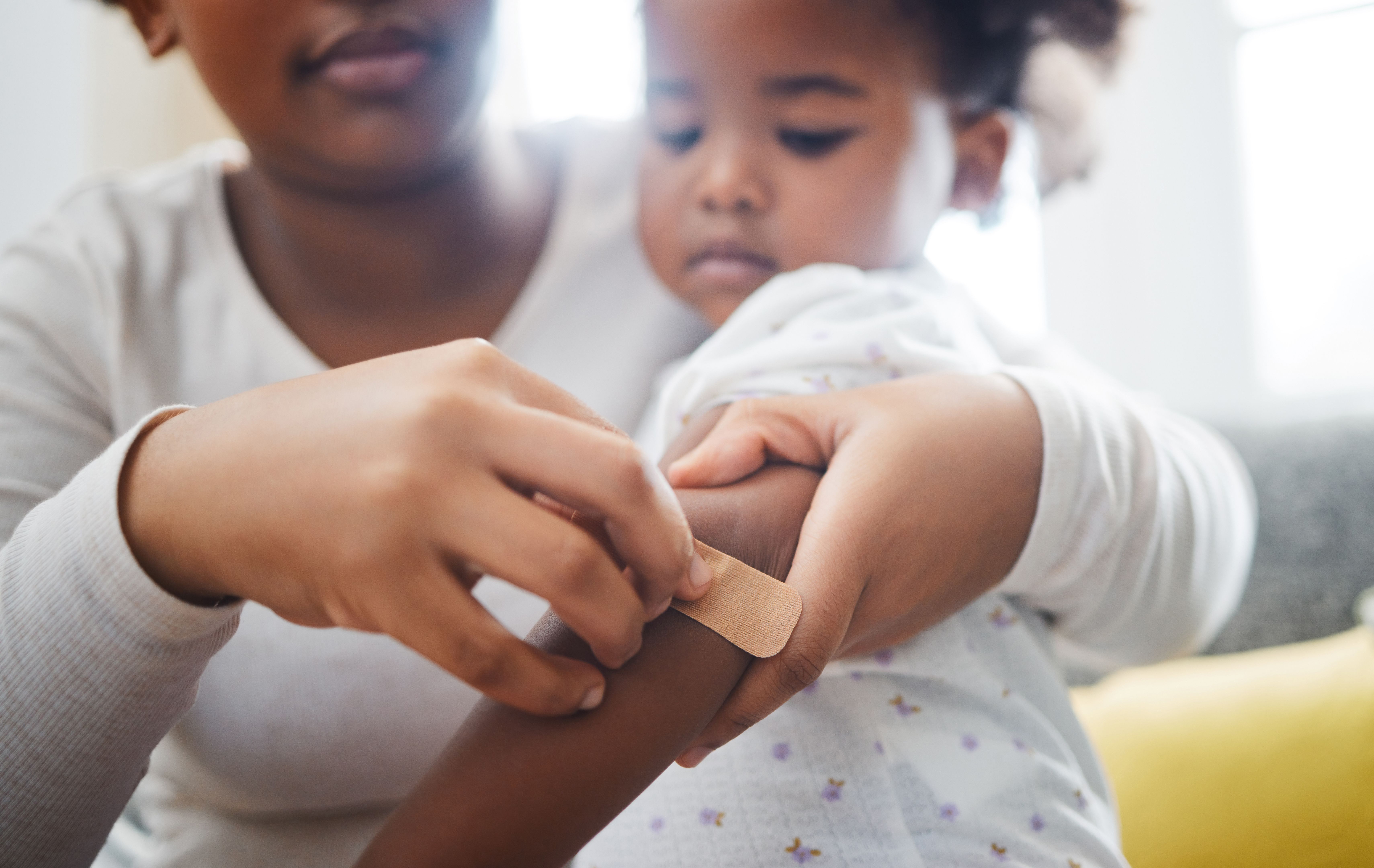
Injuries like cuts, burns, and sprains are common in emergency situations. For minor cuts, clean the wound with water and apply an antiseptic before covering it with a sterile bandage. Burns should be cooled immediately with running water for at least 10 minutes to reduce pain and swelling.
For sprains, remember the R.I.C.E method: Rest, Ice, Compression, and Elevation. This method helps reduce swelling and speed up recovery. By knowing how to handle these common injuries, you can provide effective care in emergency situations.
Learning and Practicing First Aid
Acquiring first aid skills requires both learning and practice. Enroll in certified first aid courses offered by reputable organizations. These courses provide hands-on training and equip you with the confidence to handle emergencies efficiently.
Practicing these skills regularly ensures that you're prepared when an actual emergency arises. Keep updated with the latest first aid techniques and recommendations, as guidelines may change over time.
In conclusion, being prepared for emergency situations involves more than just having the right tools—it's about having the right skills and knowledge. By understanding and practicing essential first aid skills, you can make a significant difference in an emergency, potentially saving lives and improving outcomes.