Seasonal First Aid Tips: How to Handle Common Summer Emergencies


Introduction to Summer Emergencies
Summer is a season full of fun and adventure, but it also comes with its own set of potential emergencies. From sunburns to insect bites, being prepared with the right first aid knowledge can make all the difference. In this post, we'll explore some common summer emergencies and how you can handle them effectively.
Dealing with Sunburn
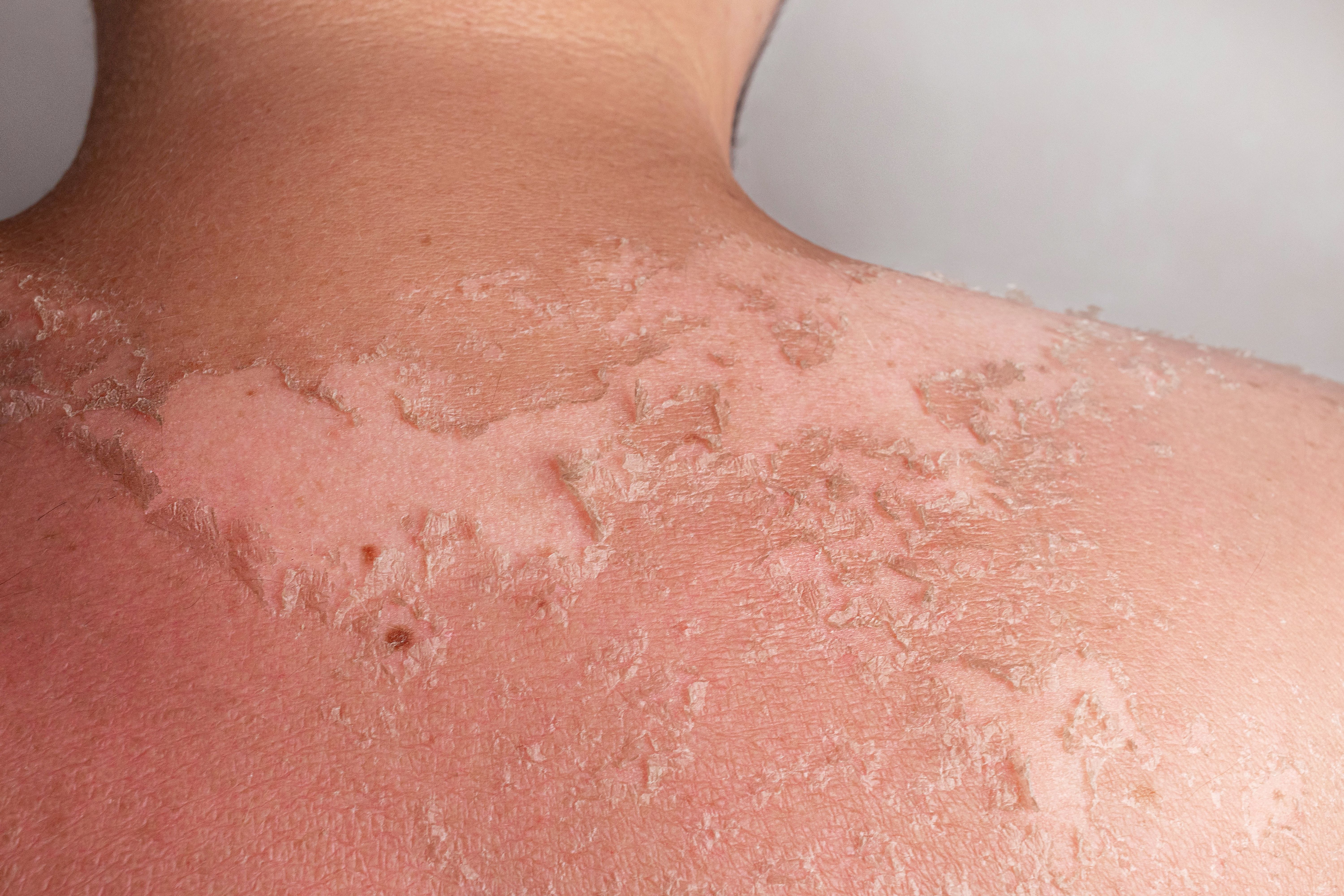
One of the most common summer ailments is sunburn. It occurs when the skin is overexposed to UV rays, leading to redness, pain, and sometimes blisters. The best way to handle sunburn is to prevent it by using sunscreen with at least SPF 30 and wearing protective clothing.
If you do get sunburned, start by getting out of the sun immediately. Apply a cool compress or take a cool shower to soothe the skin. Moisturize with aloe vera or a lotion containing soy to help the healing process. Stay hydrated and avoid further sun exposure until the burn heals.
Managing Heat Exhaustion
Heat exhaustion is another risk during hot summer days. Symptoms include heavy sweating, weakness, dizziness, and nausea. To prevent heat exhaustion, stay hydrated by drinking plenty of water and take breaks in the shade or indoors during peak sun hours.
If someone shows signs of heat exhaustion, move them to a cooler environment and have them lie down. Encourage them to drink water or a sports drink to replenish electrolytes. Applying cool cloths or taking a cool bath can also help lower body temperature.
Handling Insect Bites and Stings
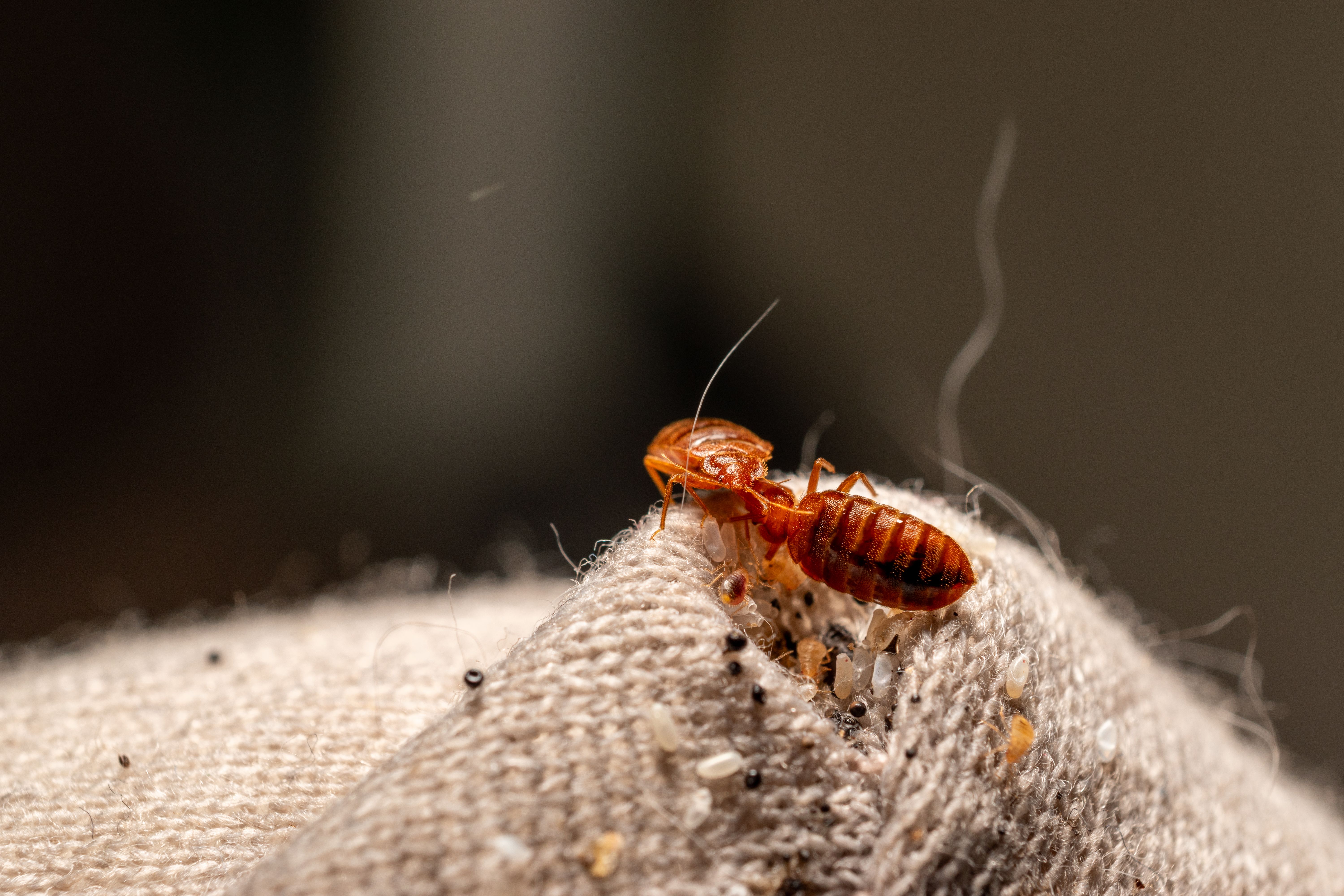
Insect bites and stings are common during outdoor activities in the summer. While most are harmless, some can cause allergic reactions or infections. To minimize risks, use insect repellent and wear long sleeves and pants when possible.
If bitten or stung, remove any visible stingers by scraping them off with a flat object. Clean the area with soap and water, then apply an ice pack to reduce swelling. Over-the-counter antihistamines can help relieve itching and discomfort.
Treating Cuts and Scrapes
Outdoor activities often lead to minor cuts and scrapes. It's essential to clean these wounds promptly to prevent infection. Start by rinsing the area with clean water and applying an antiseptic solution. Cover with a sterile bandage if necessary.
Keep an eye on the healing process. If you notice increased redness, swelling, or pus, seek medical attention, as these could be signs of infection.
Recognizing and Responding to Dehydration
Dehydration is a significant concern in the summer, especially during intense physical activities. Symptoms include dry mouth, fatigue, and dizziness. To prevent dehydration, drink water regularly throughout the day, even if you're not thirsty.
If you suspect dehydration, encourage the person to sip water slowly and rest in a shaded or air-conditioned area. In severe cases, where symptoms include confusion or fainting, seek medical assistance immediately.

Conclusion: Staying Safe All Summer Long
By understanding these common summer emergencies and having a plan in place, you can enjoy all the joys of summer while staying safe. Remember that prevention is always better than cure, so take proactive steps to protect yourself and your loved ones.
With these tips in mind, you're well-equipped to handle whatever summer throws your way. Stay cool, stay safe, and enjoy every sunny day!