Seasonal First Aid Tips: Preparing for Emergencies in Winter


Understanding Winter Hazards
Winter brings a unique set of challenges that can lead to emergencies if not properly prepared for. Snow, ice, and freezing temperatures can cause accidents and injuries, making it essential to have a well-stocked first aid kit and knowledge of winter-specific first aid techniques.

Essential First Aid Kit Items
To be ready for any winter emergency, ensure your first aid kit includes the following items:
- Thermal blankets to combat hypothermia
- Hand warmers for immediate warmth
- Ice packs for treating sprains and bruises
- Bandages and antiseptic wipes for cuts and abrasions
Having these items on hand can make a significant difference in the outcome of a winter emergency.
Preventing Hypothermia and Frostbite
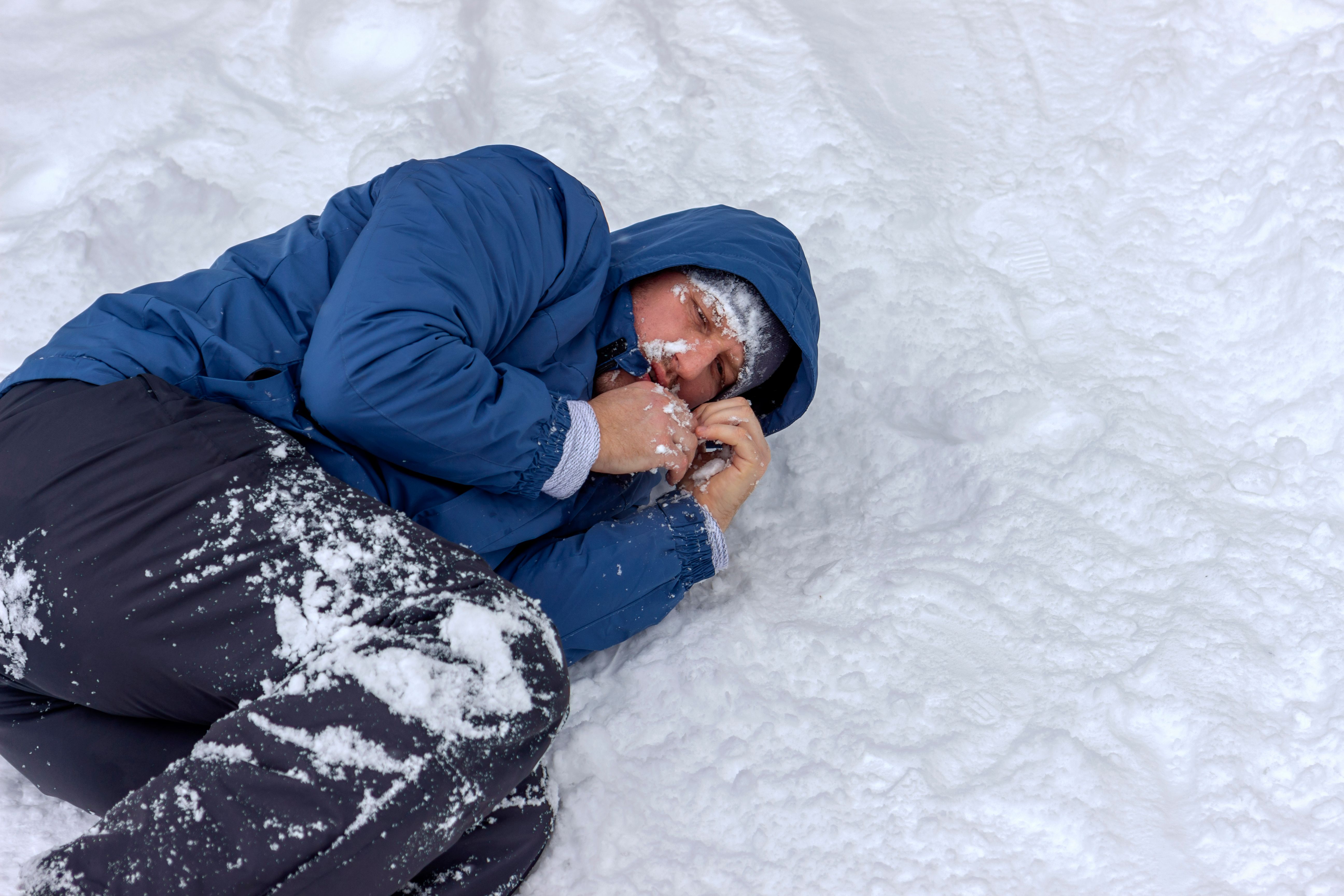
Hypothermia and frostbite are common risks during winter. Dress in layers and ensure your extremities are well-protected. If someone is showing signs of hypothermia, such as shivering or confusion, move them to a warm area immediately and cover them with blankets.
Dealing with Winter Sports Injuries
Winter sports are exciting but can lead to injuries if precautions aren't taken. Always wear proper gear, such as helmets and pads. In case of an injury, use the R.I.C.E method: Rest, Ice, Compression, and Elevation. This technique helps reduce swelling and pain.
Remember, seeking medical attention is crucial for severe injuries to prevent long-term damage.
Handling Slips and Falls
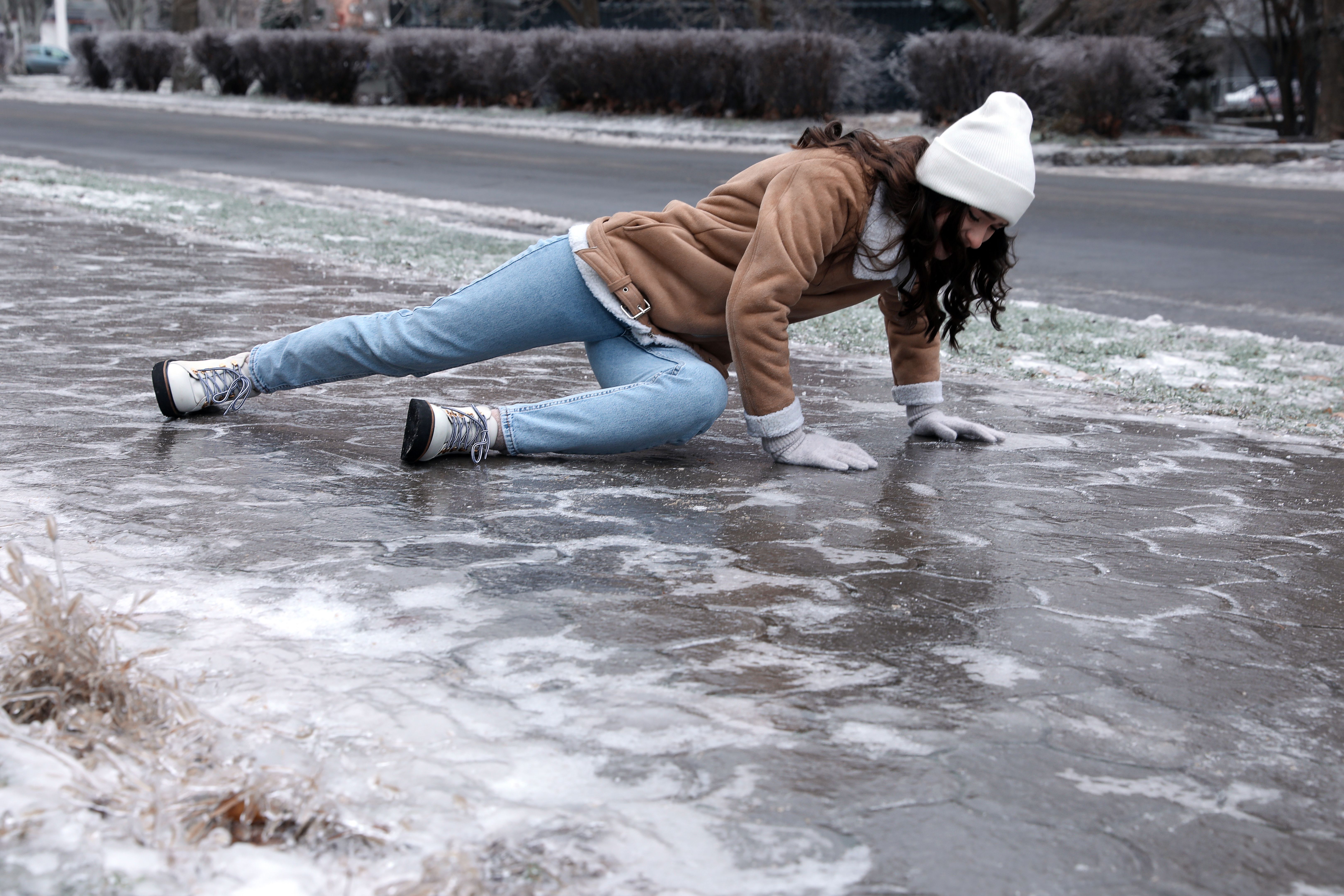
Slippery surfaces are a major cause of falls during winter. To reduce the risk, wear shoes with good traction and take small, careful steps. If a fall occurs, check for injuries such as sprains or fractures and apply first aid measures as needed.
Winter Vehicle Preparedness
Keeping your vehicle equipped for winter conditions is vital. Stock your car with an emergency kit that includes:
- Jumper cables
- Flashlight with extra batteries
- First aid supplies
- Snacks and bottled water
Regularly check your vehicle’s tire pressure and antifreeze levels to avoid breakdowns in freezing temperatures.
Staying Informed and Prepared
Keep an eye on weather forecasts to stay ahead of severe weather. Consider downloading weather alert apps for real-time updates. Being informed allows you to make timely decisions regarding travel and outdoor activities.
By understanding these seasonal first aid tips and preparing accordingly, you can ensure safety and readiness during the challenging winter months. Stay warm and safe!