The Importance of Basic Life Support Training: Why Every Household Needs It


In today's fast-paced world, emergencies can happen at any time, and being prepared can make all the difference. One of the most crucial skills that can equip individuals to handle emergencies effectively is Basic Life Support (BLS) training. This essential training can empower every household to respond confidently in critical situations, potentially saving lives.
What is Basic Life Support?
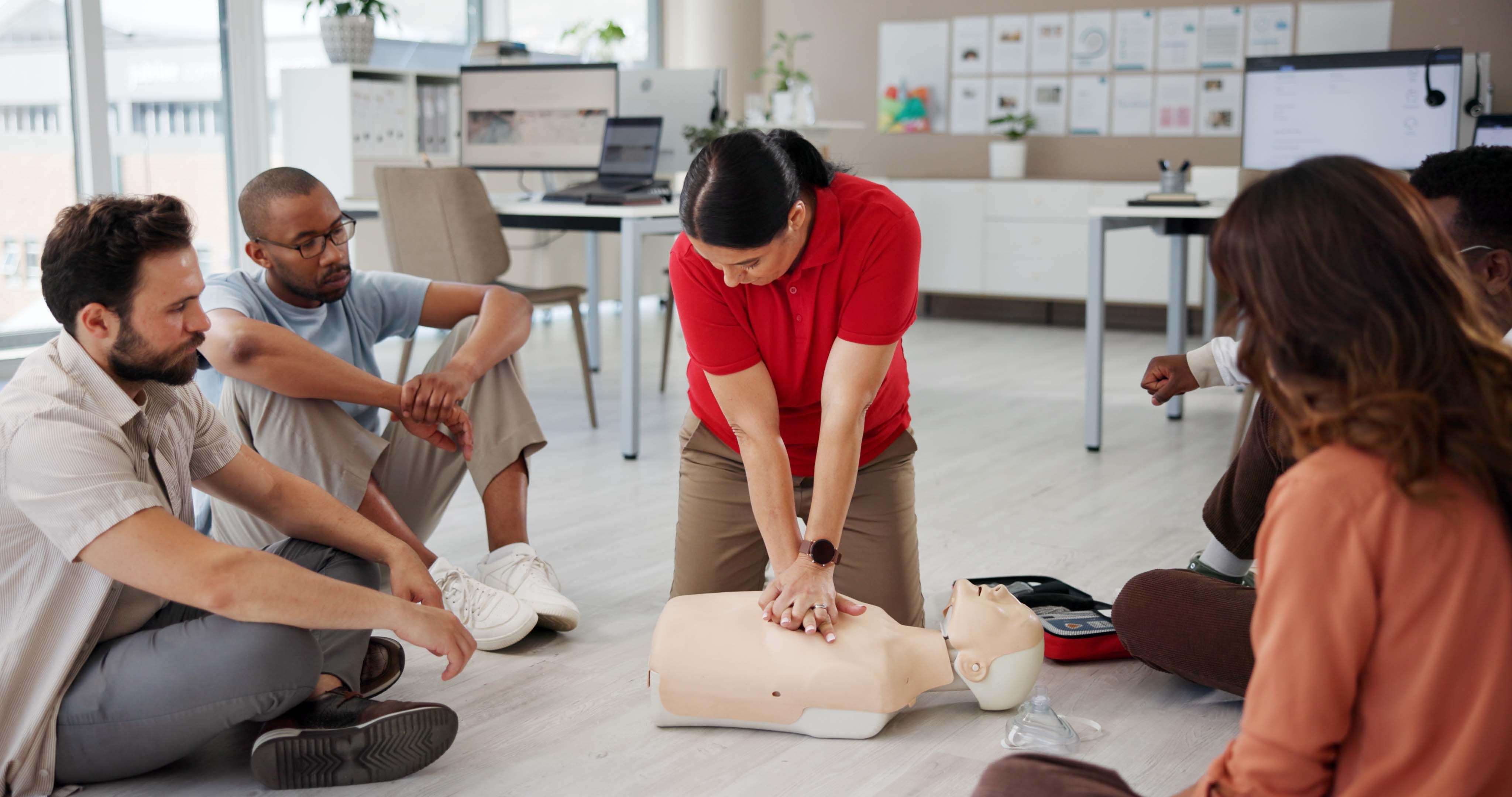
Basic Life Support refers to a set of medical procedures and techniques used to provide initial care to individuals experiencing life-threatening emergencies. It includes cardiopulmonary resuscitation (CPR), using an automated external defibrillator (AED), and relieving airway obstructions. BLS is designed to maintain blood circulation and breathing until professional medical help arrives.
The Core Components of BLS
There are three primary components of BLS training:
- CPR: This technique involves chest compressions and rescue breaths to support heart and lung function.
- Using an AED: An AED is a portable device that can diagnose and treat cardiac arrest through defibrillation.
- Airway Management: Techniques to clear obstructions and ensure open airways.
Why Every Household Needs BLS Training
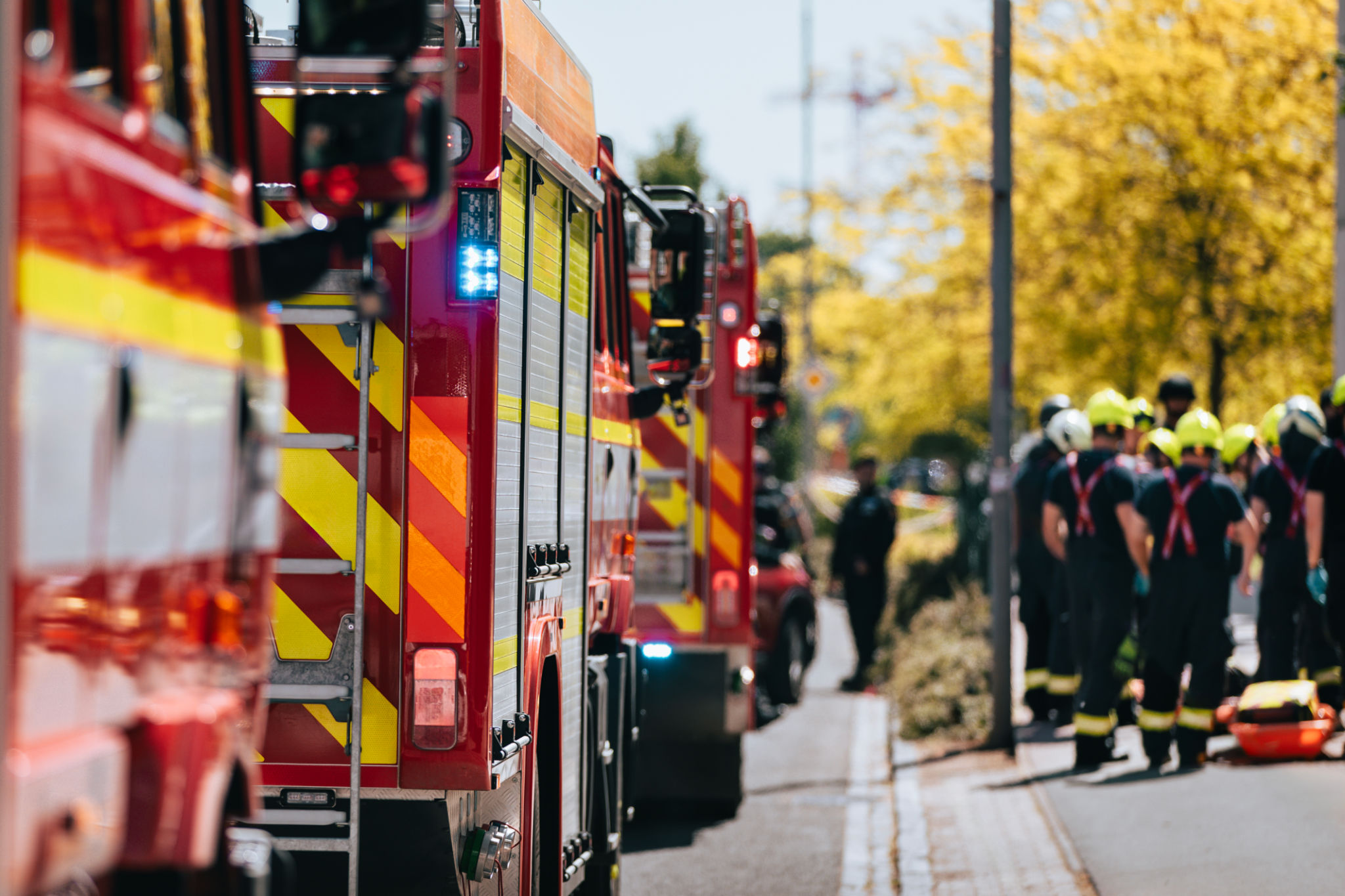
Having BLS-trained individuals in every household can significantly impact the survival rates in emergencies. Here are some reasons why BLS training is essential:
- Timely Intervention: In emergencies, every second counts. BLS-trained individuals can provide immediate care, increasing the chances of survival.
- Confidence in Crisis: Knowing what to do during a medical emergency can reduce panic and improve the effectiveness of the response.
- Empowerment: BLS training empowers individuals to take control of a situation and potentially save the lives of loved ones.
Accessible and Inclusive Training
BLS training is accessible and can be tailored to suit various age groups and physical capabilities. Many organizations offer courses that cater to different learning needs, making it easier for entire families to learn these life-saving skills together. This inclusivity ensures that everyone, regardless of age or ability, can contribute to emergency response efforts.

Promoting a Culture of Preparedness
By encouraging BLS training in households, communities can foster a culture of preparedness. This proactive approach not only increases individual safety but also strengthens community resilience. When more people are equipped with BLS skills, they create a support network that can respond effectively to emergencies.
Ultimately, Basic Life Support training is more than just a set of skills; it's a commitment to preparedness and safety. By investing in BLS training for your household, you're taking a vital step towards safeguarding the well-being of your family and community.