The Importance of CPR Training for Parents of Young Children


Why CPR Training is Essential for Parents
Parents face a variety of challenges and responsibilities, one of the most critical being the safety and well-being of their children. While many parents are vigilant about childproofing their homes and ensuring a safe environment, one area that often gets overlooked is CPR training. Understanding how to perform CPR can be life-saving in emergencies and is a skill every parent should possess.
Cardiopulmonary resuscitation (CPR) is a crucial skill that can make the difference between life and death in the event of cardiac arrest or other emergencies. For parents of young children, knowing how to perform CPR is not just beneficial—it's essential.
Understanding CPR and Its Importance
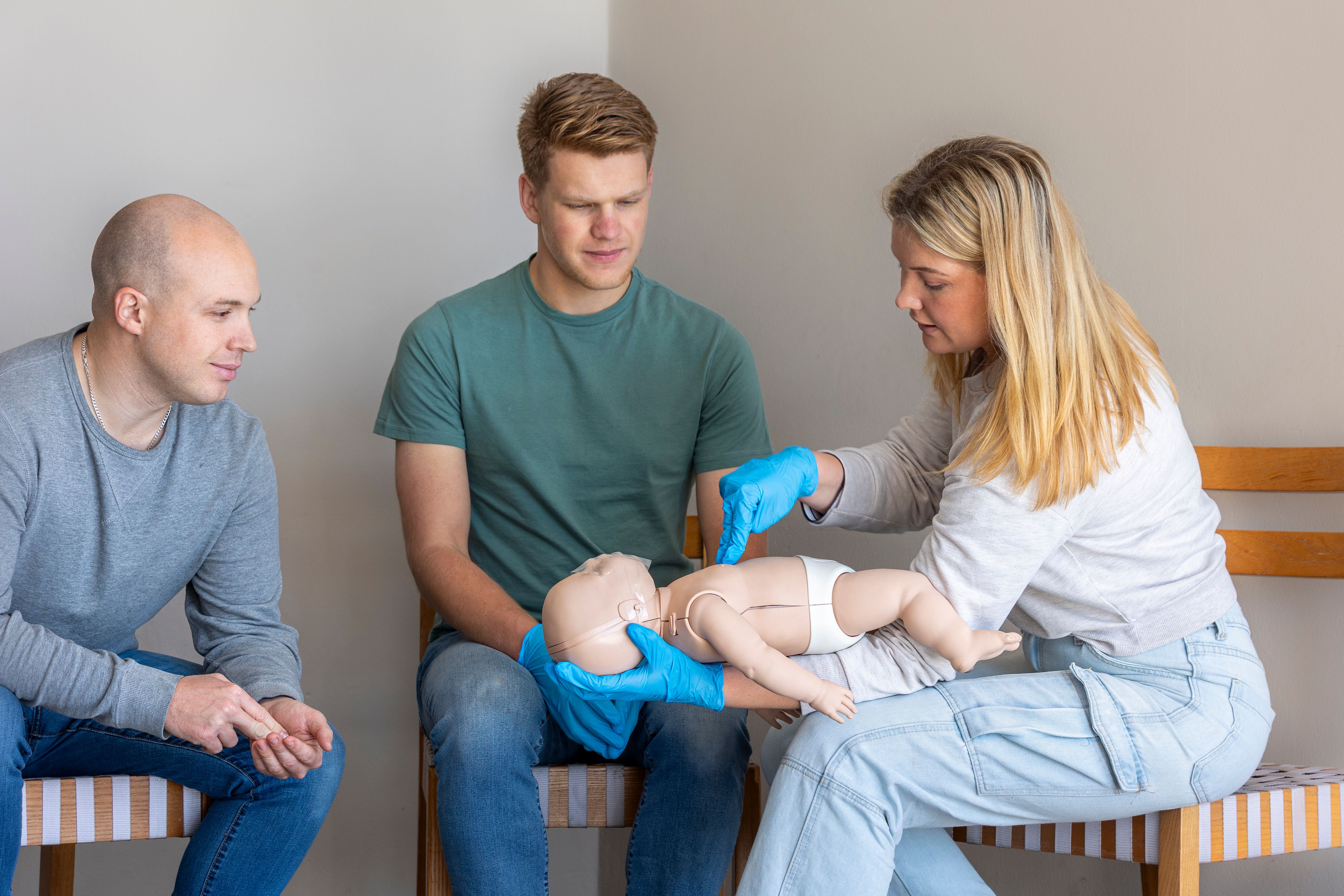
CPR involves chest compressions and rescue breaths to restore breathing and circulation in a person whose heart has stopped. For young children, the technique varies slightly to accommodate their smaller size and fragility. This is why specific training for infant and child CPR is crucial for parents.
Statistics show that immediate CPR can double or even triple a child's chance of survival following cardiac arrest. Since young children can be prone to choking, drowning, or sudden illness, being prepared to act quickly is vital.
Benefits of CPR Training for Parents
CPR training provides parents with the confidence and skills needed to respond effectively in an emergency. It empowers them to take swift action before professional medical help arrives. This not only enhances the child’s chances of recovery but also reduces panic and anxiety in high-pressure situations.
Moreover, CPR training often includes education on preventing common household accidents, which is invaluable for parents looking to create a safer environment for their children.
What to Expect from a CPR Course
CPR courses designed for parents typically cover the following:
- Techniques for performing CPR on infants and young children
- Recognizing signs of cardiac arrest, choking, and other emergencies
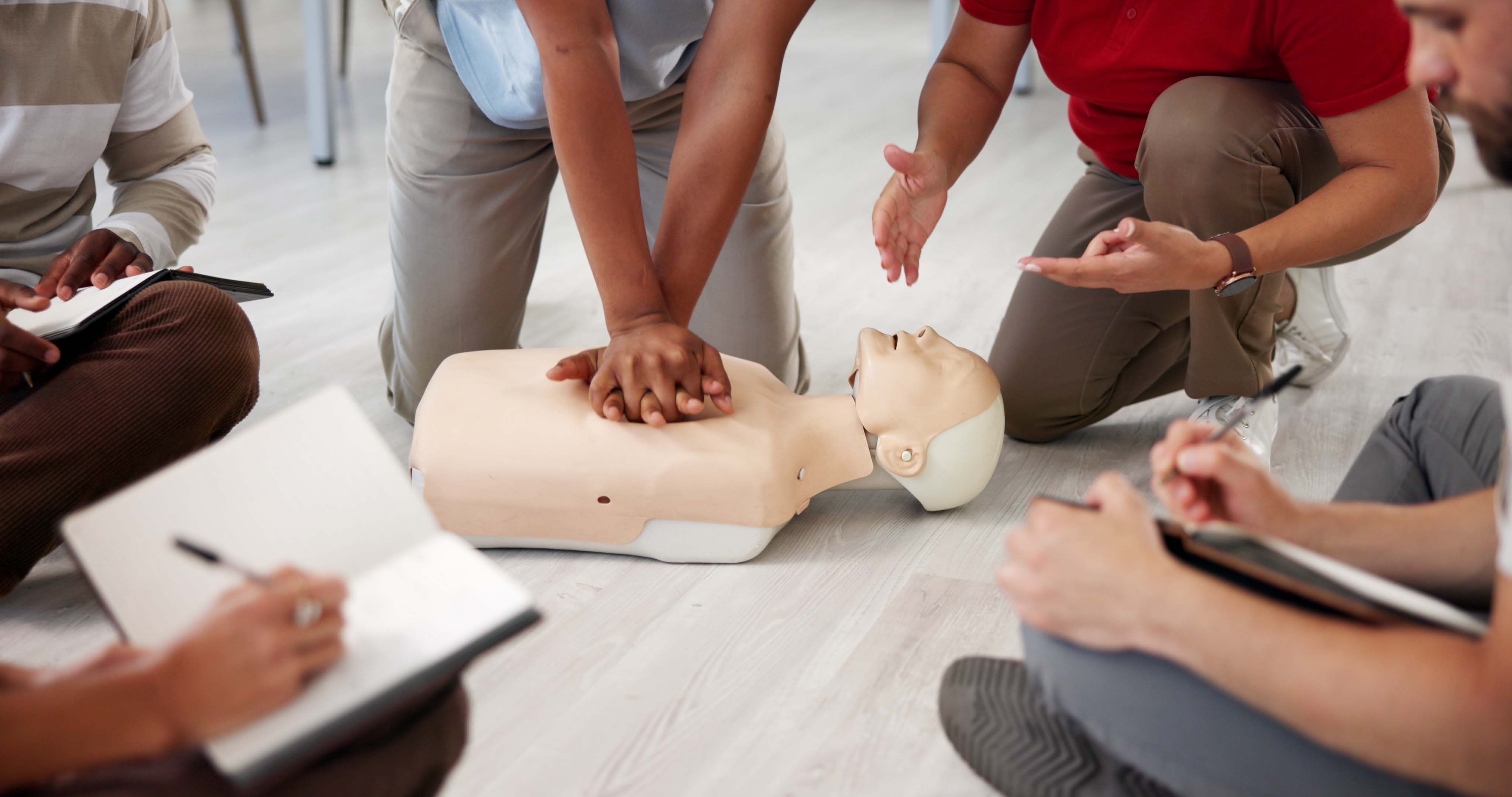
- Hands-on practice with manikins to ensure proper technique
- Guidance on using automated external defibrillators (AEDs)
These courses are often available through hospitals, community centers, and online platforms, making them accessible to all parents.
How to Find a CPR Course
Finding a CPR course is easier than ever. Many organizations offer certified CPR training both in-person and online. Parents can reach out to local hospitals, community health organizations, or search online for reputable courses. It’s important to choose a course that is specifically tailored for infant and child CPR.
Online platforms often offer flexible schedules, allowing parents to learn at their own pace without disrupting their daily routines.
Conclusion
In conclusion, CPR training is an invaluable skill for parents of young children. It not only equips them to handle emergencies effectively but also provides peace of mind. By investing time in learning CPR, parents can ensure a safer environment for their children and be prepared to act swiftly in critical situations.
Every parent hopes they'll never need to use CPR, but being prepared can make all the difference.