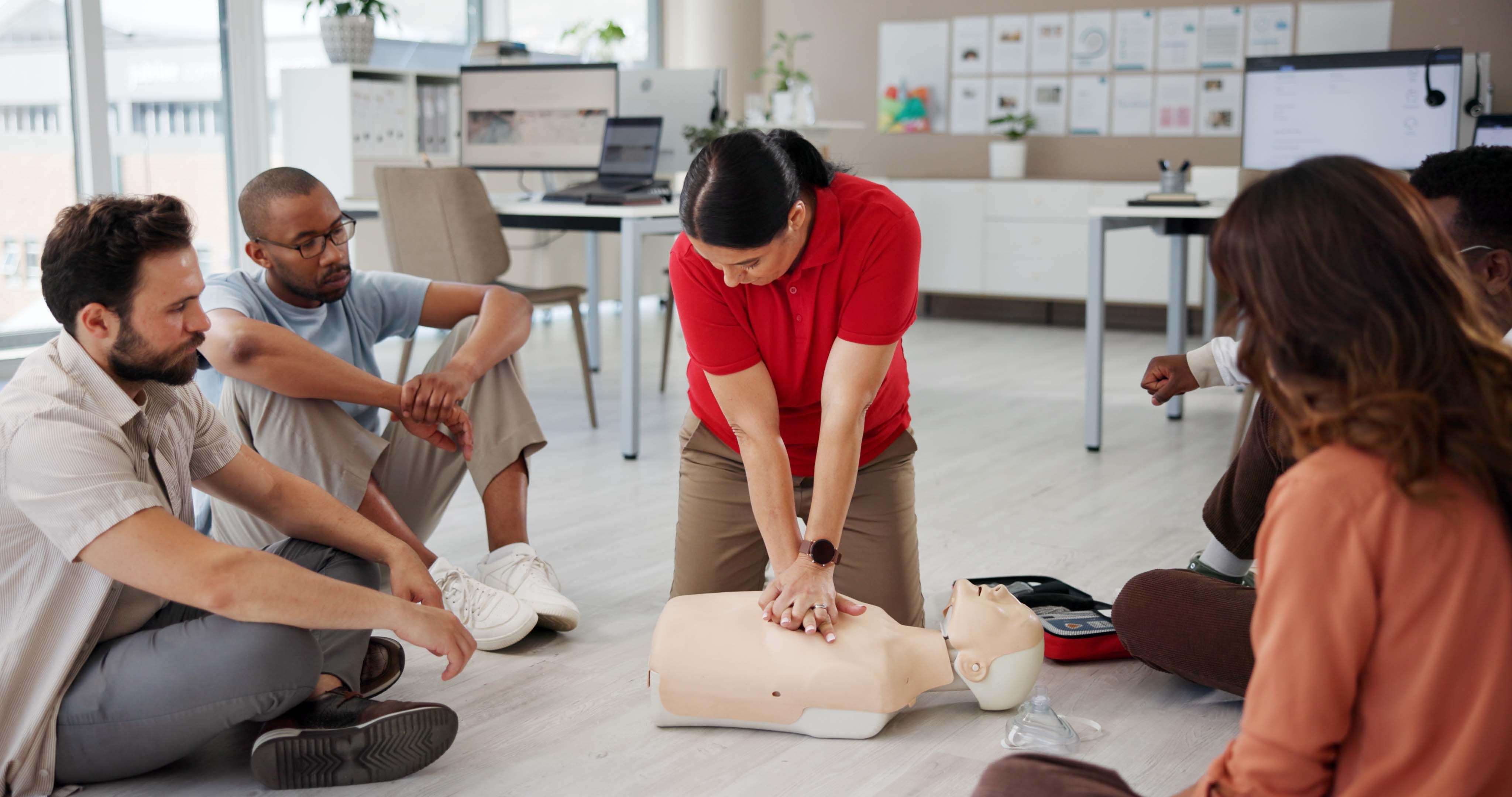
The Importance of On-Site CPR Training in Pennsylvania, Maryland, and Delaware


Understanding the Basics of CPR
Cardiopulmonary resuscitation (CPR) is a crucial life-saving technique used in emergencies when someone's breathing or heartbeat has stopped. While many people are aware of CPR, understanding its practical application can make a difference between life and death. In regions like Pennsylvania, Maryland, and Delaware, on-site CPR training has become increasingly important due to the high population density and varied emergency scenarios.
The Need for On-Site CPR Training
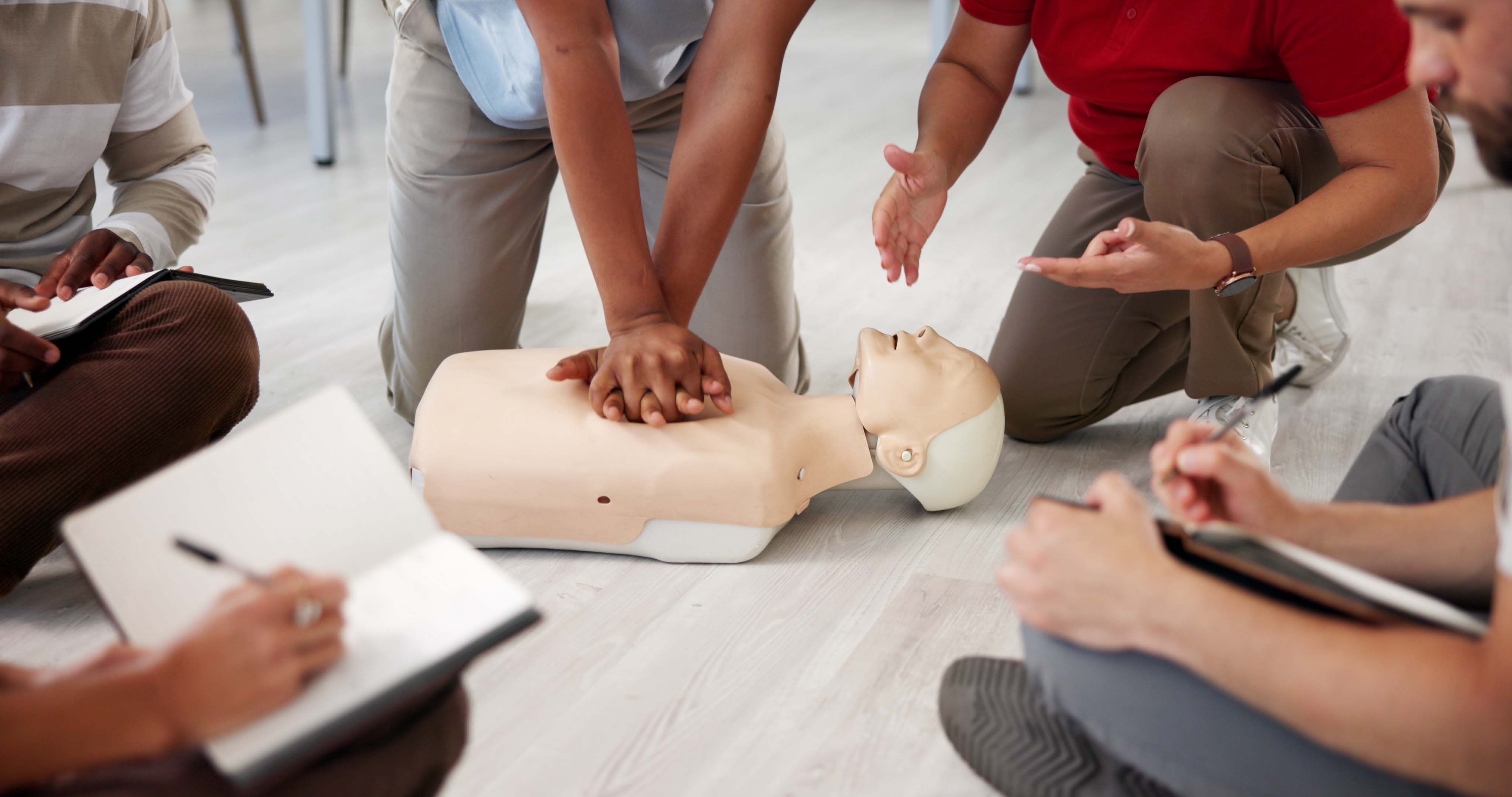
On-site CPR training brings the life-saving skills directly to your location, whether it's an office, school, or community center. This approach ensures that more individuals are equipped with the necessary skills to respond in an emergency. In states like Pennsylvania, Maryland, and Delaware, where communities are close-knit, a swift response can significantly impact survival rates.
Organizations that invest in on-site CPR training demonstrate their commitment to employee and community well-being. It not only boosts morale but also prepares individuals to act confidently and effectively in emergencies.
Benefits of On-Site Training
- Convenience: Training is conducted at your location, saving time and resources.
- Customization: Programs can be tailored to meet the specific needs of your group.
- Team Building: Encourages teamwork and enhances communication skills.
Impact on Communities
On-site CPR training has a profound impact on local communities in Pennsylvania, Maryland, and Delaware. When more people are trained, the community becomes safer and more resilient. In emergencies, immediate assistance is crucial, and having trained individuals nearby can save precious time.

Moreover, trained individuals can educate others, creating a ripple effect that spreads knowledge and preparedness throughout the community. This collective readiness can significantly improve emergency response outcomes.
Statistics Highlighting the Importance
According to the American Heart Association, immediate CPR can double or triple a cardiac arrest victim's chance of survival. Despite this, many people feel unprepared to perform CPR in real-life situations. On-site training aims to bridge this gap by providing hands-on practice and boosting confidence.
- Over 350,000 cardiac arrests occur outside hospitals annually in the U.S.
- Nearly 70% of Americans feel helpless during a cardiac emergency.
- Effective bystander CPR provided immediately after sudden cardiac arrest can double or triple chances of survival.
Conclusion: Investing in Safety
In conclusion, on-site CPR training in Pennsylvania, Maryland, and Delaware is not just a valuable investment in safety; it's a community responsibility. By equipping more individuals with CPR skills, we can enhance the safety and preparedness of our communities. Organizations have the opportunity to lead this change, ensuring that their teams are ready to respond when it matters most.