Top 5 Myths About CPR and First Aid: Debunking Common Misconceptions


Understanding CPR and First Aid: Why It Matters
In emergencies, having the right knowledge can be the difference between life and death. Cardiopulmonary resuscitation (CPR) and first aid are crucial skills that can save lives. However, numerous myths circulate about these practices, leading to misunderstandings that could hinder effective emergency response. Let's debunk some common misconceptions about CPR and first aid.

Myth 1: CPR Is Only for Professionals
One prevalent myth is that CPR should only be performed by trained professionals. While it’s true that professionals are trained extensively, anyone can learn and perform CPR. Community courses are available to teach the basics, and even hands-only CPR can be effective in emergencies. The key is to maintain the circulation of blood until help arrives.
Myth 2: You Can Harm Someone by Performing CPR
Many people fear causing harm by performing CPR incorrectly. While there is a risk of rib injury or discomfort, the potential benefits far outweigh the risks. Performing CPR can double or triple a victim's chance of survival compared to not doing anything at all. It's better to act with good intentions than to hesitate and do nothing.
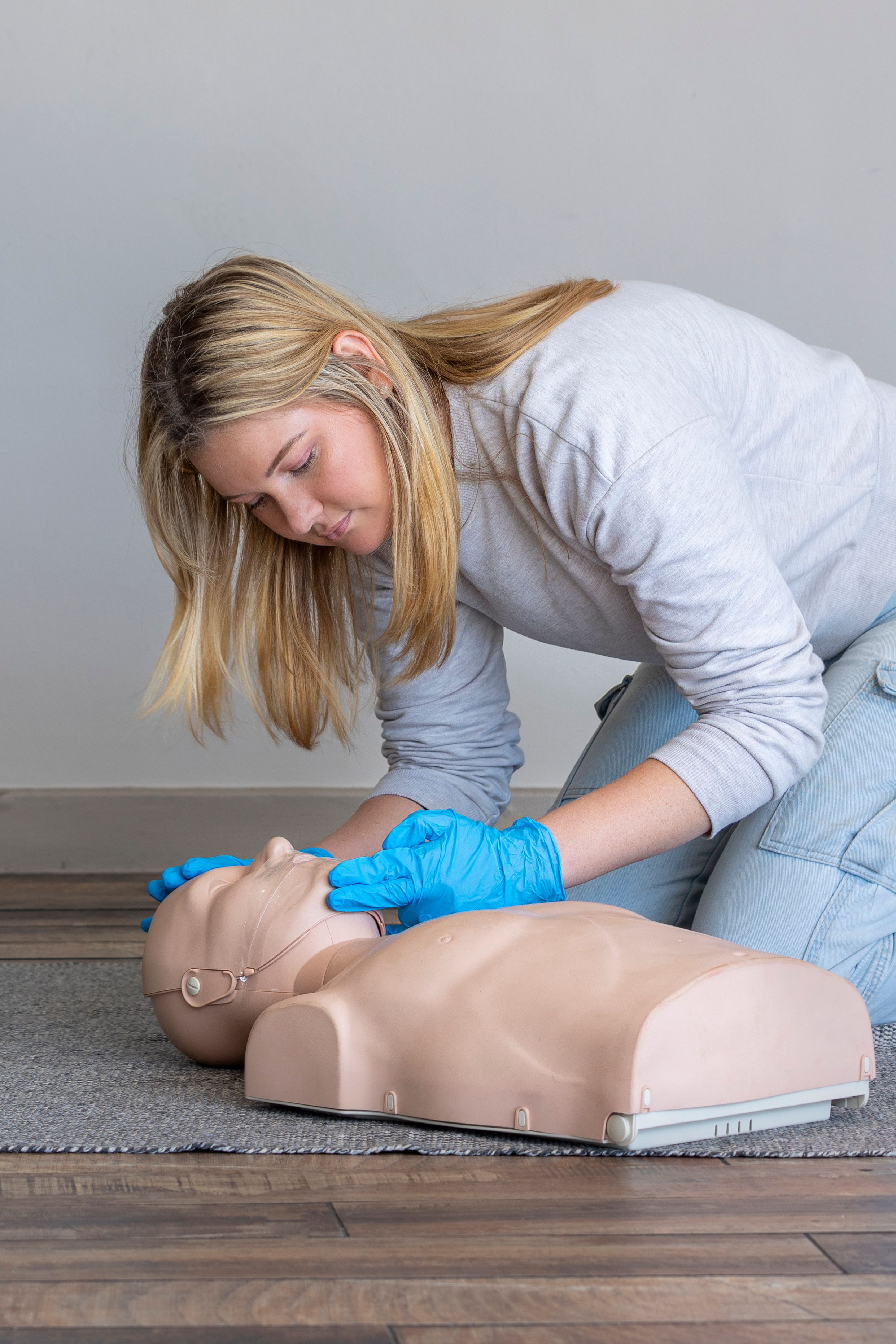
Myth 3: Mouth-to-Mouth Resuscitation Is Always Necessary
Another common misconception is that mouth-to-mouth resuscitation is a mandatory component of CPR. Current guidelines suggest that hands-only CPR is effective for adults in sudden cardiac arrest. This method focuses solely on chest compressions, which are essential for maintaining blood flow to vital organs.
Myth 4: First Aid Is Only Useful for Major Injuries
First aid is often thought of as a response to severe injuries or life-threatening situations. However, first aid is just as important for minor injuries, such as cuts, scrapes, or minor burns. Proper first aid can prevent infections and promote quicker recovery, making it a valuable skill for everyday situations.
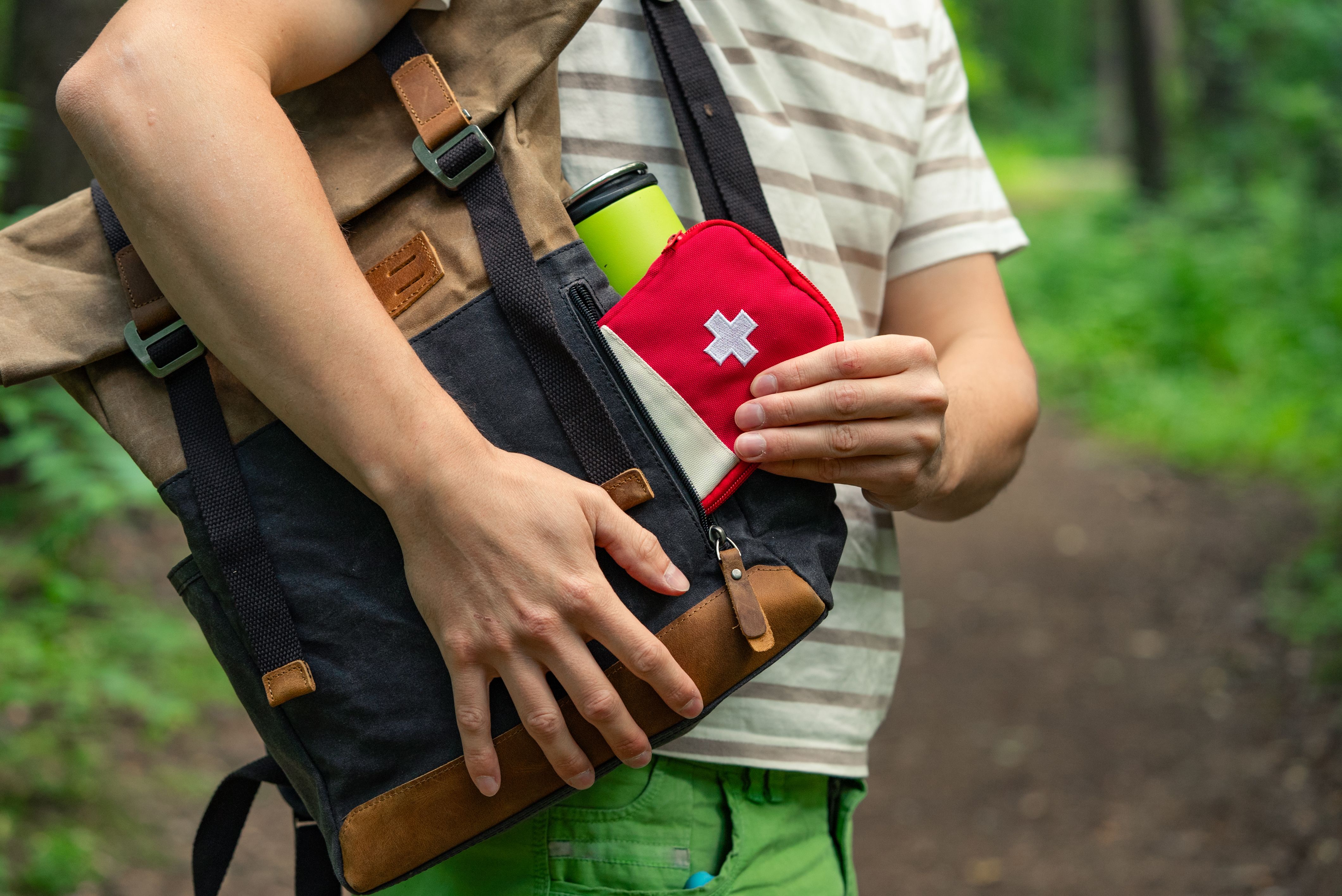
Myth 5: Calling 911 Is Enough
While calling for professional help is crucial, it is often not enough in emergencies. Immediate action through CPR and first aid can sustain life until paramedics arrive. Seconds count in emergencies, and bystanders can make a significant impact with timely intervention.
In conclusion, understanding and debunking these myths about CPR and first aid can empower more people to act confidently in emergencies. Education and preparedness are key to ensuring safety and effective response when it matters most. Consider enrolling in a CPR or first aid course today to equip yourself with these life-saving skills.