Top Misconceptions About Basic Life Support Training Debunked


Understanding Basic Life Support (BLS) Training
Basic Life Support (BLS) training is an essential skill set for anyone looking to provide immediate assistance in emergencies. However, many misconceptions surround what BLS involves and who should be trained. These misconceptions can discourage people from learning these critical skills, so it's important to address and debunk them.
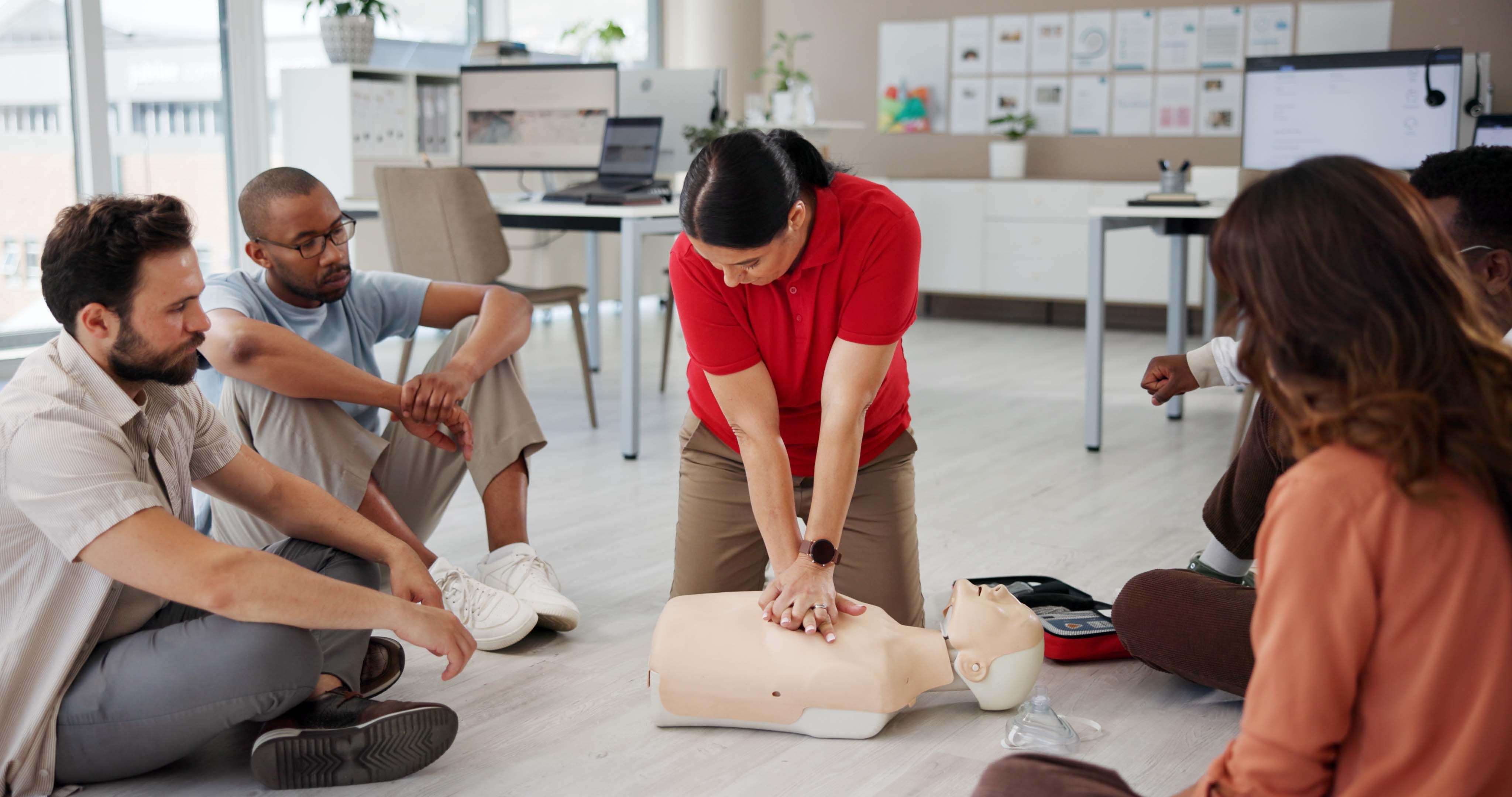
Misconception 1: BLS is Only for Healthcare Professionals
One of the most common misconceptions is that BLS training is only necessary for healthcare providers. In reality, BLS is valuable for everyone. Emergencies can happen anywhere, and having the skills to respond promptly can save lives. Whether you're a teacher, coach, or parent, understanding BLS can make a significant difference in an emergency situation.
Misconception 2: BLS is Too Complicated to Learn
Another myth is that BLS is too complex for the average person to grasp. However, BLS training is designed to be accessible and straightforward. Courses often use hands-on practice and real-life scenarios to ensure that learners understand and retain the skills. Anyone can learn BLS with proper instruction and practice.
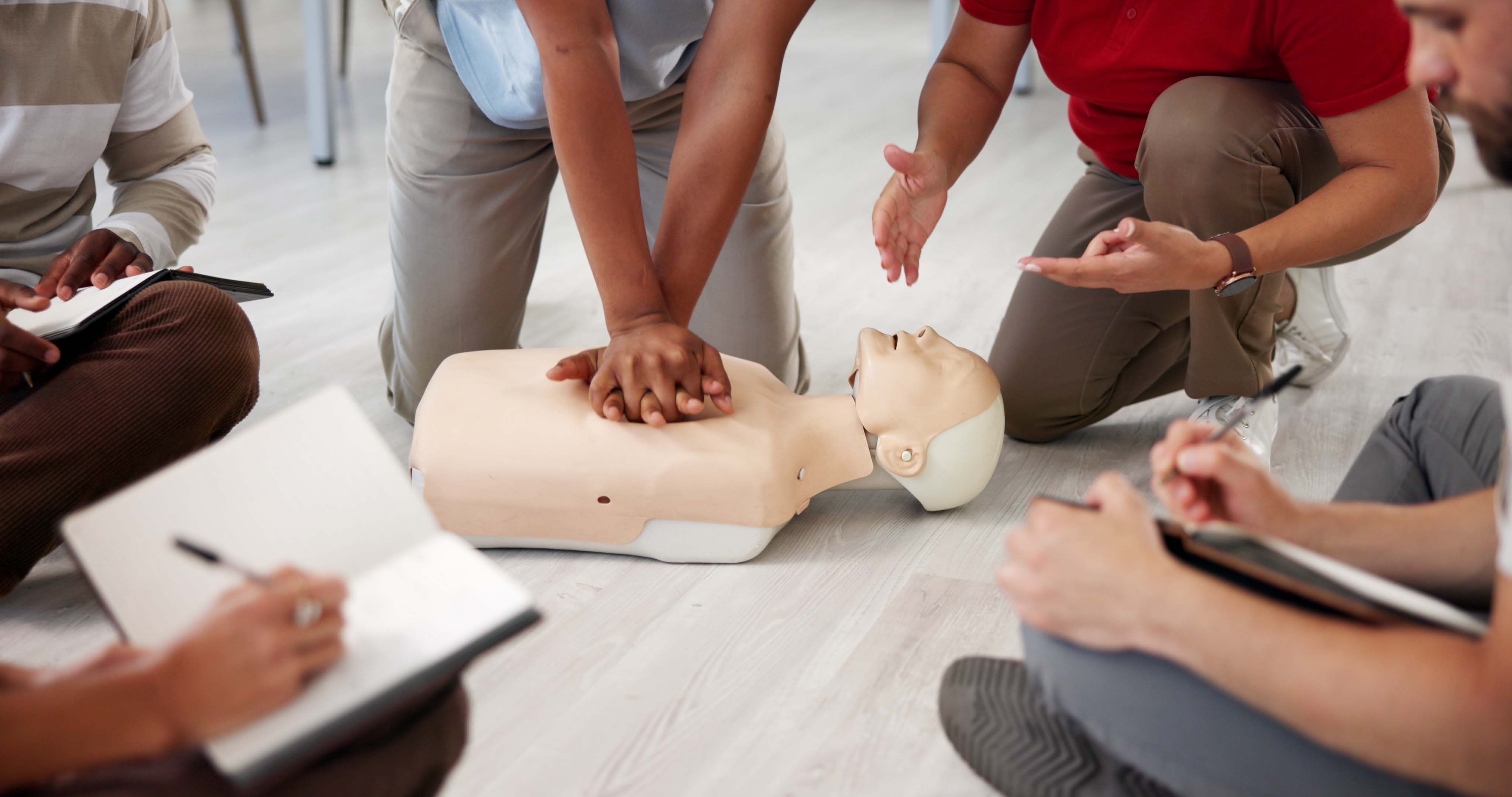
Misconception 3: BLS Certification Takes Too Much Time
Some people believe that obtaining a BLS certification requires a significant time commitment. In truth, most BLS courses can be completed in just a few hours. Many organizations offer flexible scheduling options, including weekend or evening classes, making it easy to fit training into a busy schedule.
Misconception 4: BLS Training Isn’t Necessary if Emergency Services Are Available
It's a common belief that BLS isn't needed if emergency services are readily accessible. However, in the crucial moments before professional help arrives, immediate BLS intervention can be lifesaving. Bystanders trained in BLS can stabilize a person’s condition, increasing their chances of survival and recovery.
Misconception 5: BLS Skills Need Frequent Refreshing
While it's true that regular refreshers are beneficial, BLS skills do not need to be renewed excessively. Certification is typically valid for two years. Regular practice and updates ensure that your skills remain sharp, but this doesn’t mean constant retraining is necessary.
Misconception 6: BLS Training is Expensive
Cost is often cited as a barrier to BLS training, yet many organizations offer affordable or even free courses. Community centers, hospitals, and local health departments frequently have programs designed to make BLS training accessible to everyone.
In summary, BLS training is a crucial and accessible skill that everyone should consider. By debunking these misconceptions, we hope more individuals will feel encouraged to pursue BLS certification and be prepared to make a difference in emergency situations.