Top Tips for Effective AED Use in Emergency Situations


Understanding AEDs
Automated External Defibrillators (AEDs) are critical tools in emergency situations, especially during sudden cardiac arrests. They are designed to be simple enough for anyone to use, but it is essential to familiarize yourself with their operation beforehand. An AED can significantly increase the chances of survival, but only if used correctly and promptly.
One of the main functions of an AED is to analyze the heart's rhythm and determine whether a shock is needed. It's crucial to understand that the device will not administer a shock unless it is necessary, making it a safe tool for public use. Keep in mind that time is of the essence, so knowing how to operate an AED before an emergency occurs is vital.
Preparation and Training
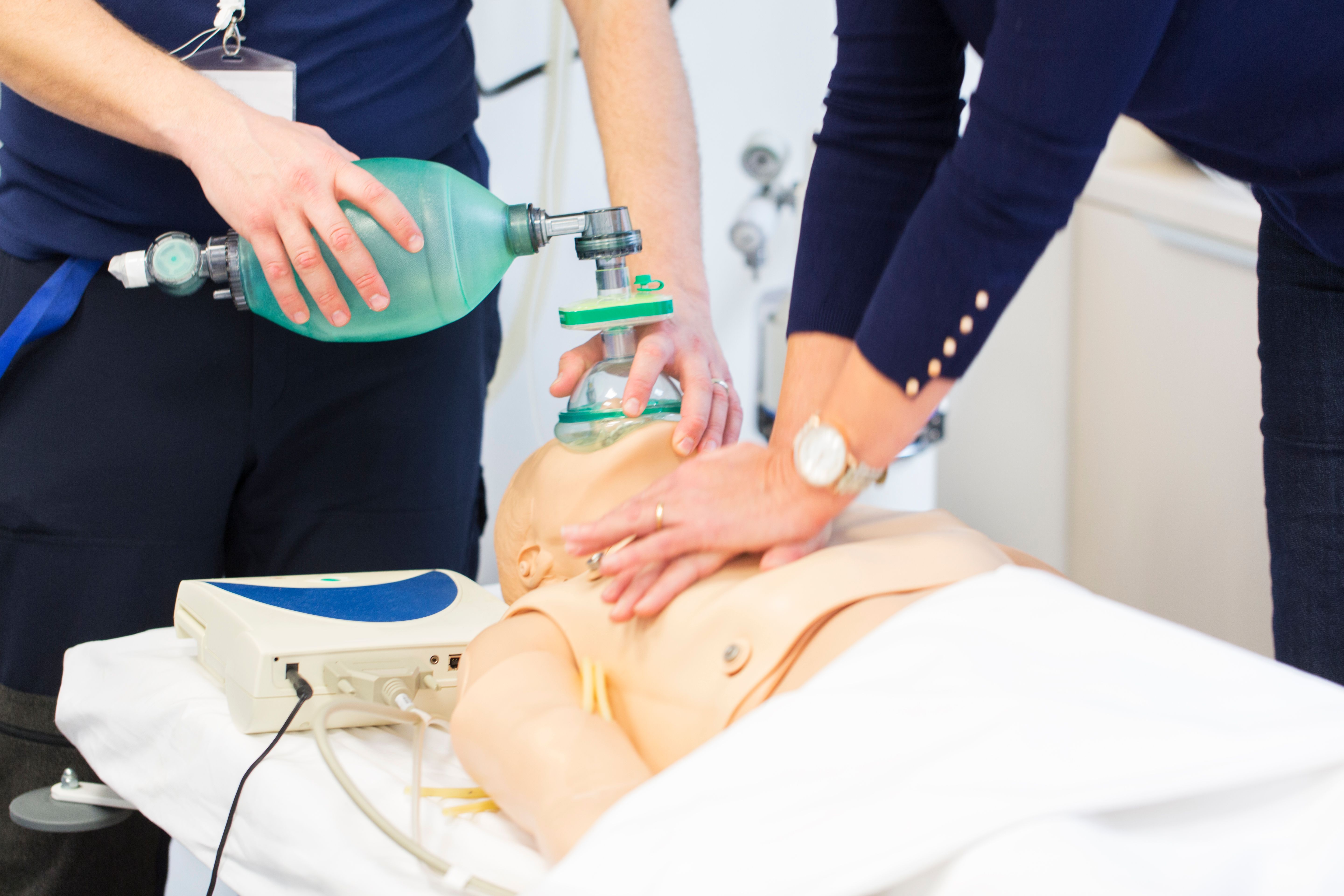
A key factor in effective AED use is preparation. Having access to an AED is just the first step; ensuring that personnel are trained on its use is equally important. Many organizations offer CPR and AED training courses that provide hands-on experience. Regular training sessions ensure that potential users remain confident in their ability to operate the device when needed.
Aside from formal training, it’s beneficial to conduct regular refresher sessions or drills within workplaces or community groups. This practice keeps skills sharp and helps individuals stay calm and composed during an actual emergency. Encourage your community or workplace to make AED training a part of their health and safety protocols.
Steps for Using an AED
When an emergency arises, follow these steps for using an AED effectively:
- Call emergency services immediately.
- Turn on the AED and follow voice prompts.
- Attach the electrode pads to the patient’s bare chest, as illustrated on the pads.
- Ensure no one is touching the patient before allowing the AED to analyze the heart rhythm.
- If a shock is advised, ensure everyone is clear of the patient, then press the shock button.
- After the shock, or if no shock is advised, continue CPR until emergency responders arrive.
These steps are designed to be straightforward but practicing them can help you act quickly and with confidence during real emergencies. Remember, each second counts when dealing with cardiac arrest, so swift action can save lives.
Maintaining AED Readiness
To ensure that an AED remains functional when needed, regular maintenance checks are crucial. Most AEDs perform self-checks and will indicate if there’s an issue through visual or audible alerts. However, periodic manual checks should be conducted to confirm battery life and pad expiration dates. Keeping a checklist for regular maintenance can aid in tracking these essential tasks.
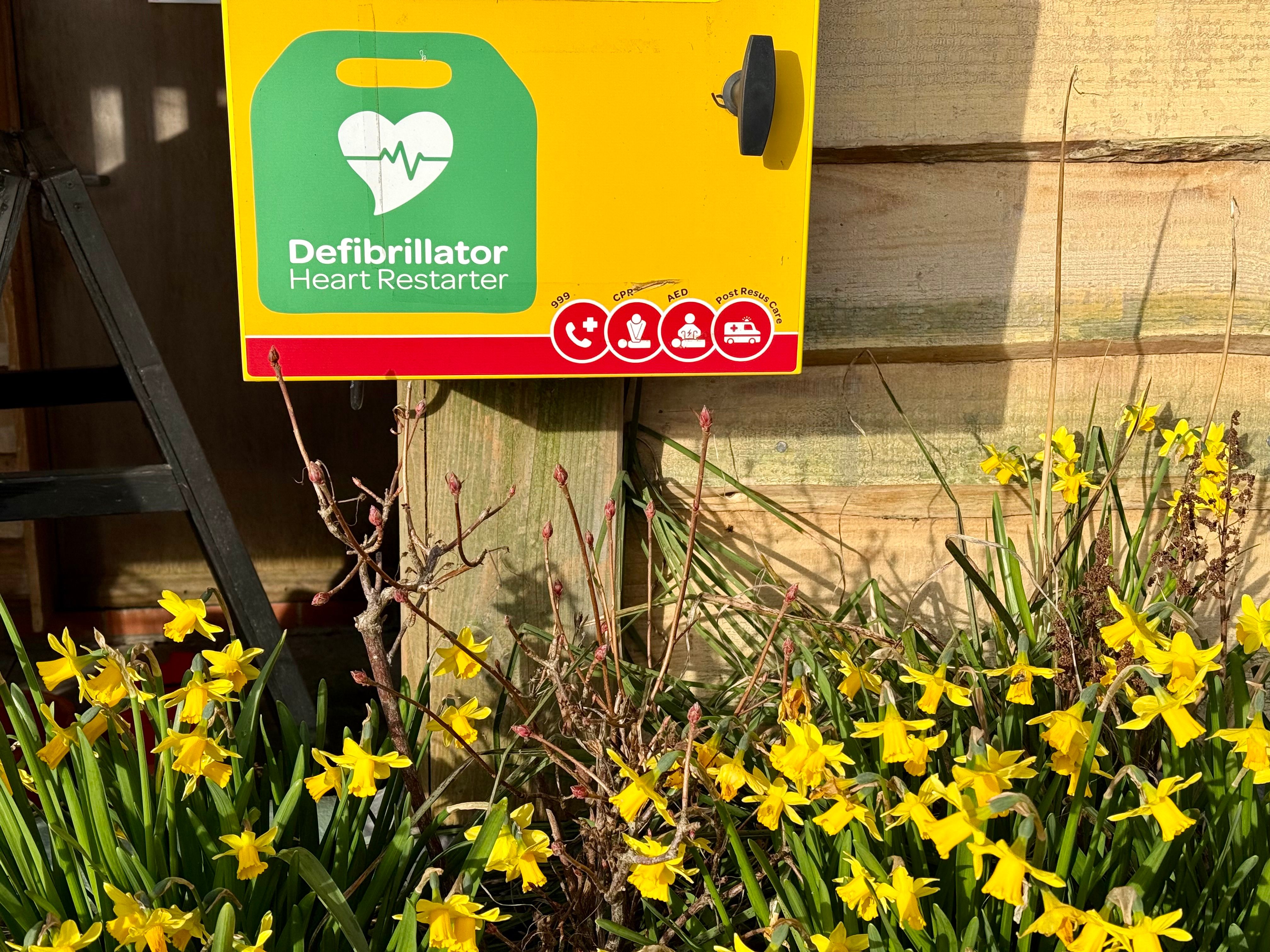
Replace batteries and electrode pads as recommended by the manufacturer, and always store the AED in an easily accessible location. Clearly label its location so it can be found quickly in an emergency. Consider implementing a system where more than one person knows how to access and operate the device.
Community Awareness and Accessibility
Raising awareness within your community about the importance and accessibility of AEDs can enhance public safety. Encourage local businesses and public areas to install AEDs and provide information on their locations. Some regions offer registries for AED locations, which can be a valuable resource during emergencies.
By promoting AED availability and encouraging basic training sessions across your community, you contribute towards creating a safer environment for everyone. Remember, preparedness can make all the difference when it comes to saving lives.