Understanding Basic Life Support: A Comprehensive Guide


What is Basic Life Support?
Basic Life Support (BLS) is a level of medical care used for victims of life-threatening illnesses or injuries until they can be given full medical care at a hospital. It involves several key techniques that are crucial for saving lives, particularly in the case of cardiac arrest or respiratory failure. Understanding and performing BLS can make the difference between life and death.
Key Components of BLS
Airway Management
Ensuring an open airway is the first step in BLS. This can involve simple techniques such as the head-tilt, chin-lift maneuver to prevent the tongue from obstructing the throat. Proper airway management is essential to ensure that oxygen can reach the lungs.
Breathing Support
Once the airway is open, the next step is to supply oxygen to the lungs. This can be done through rescue breaths, which involve breathing into the victim’s mouth. This ensures oxygen enters the lungs and circulates to vital organs.
Performing Cardiopulmonary Resuscitation (CPR)
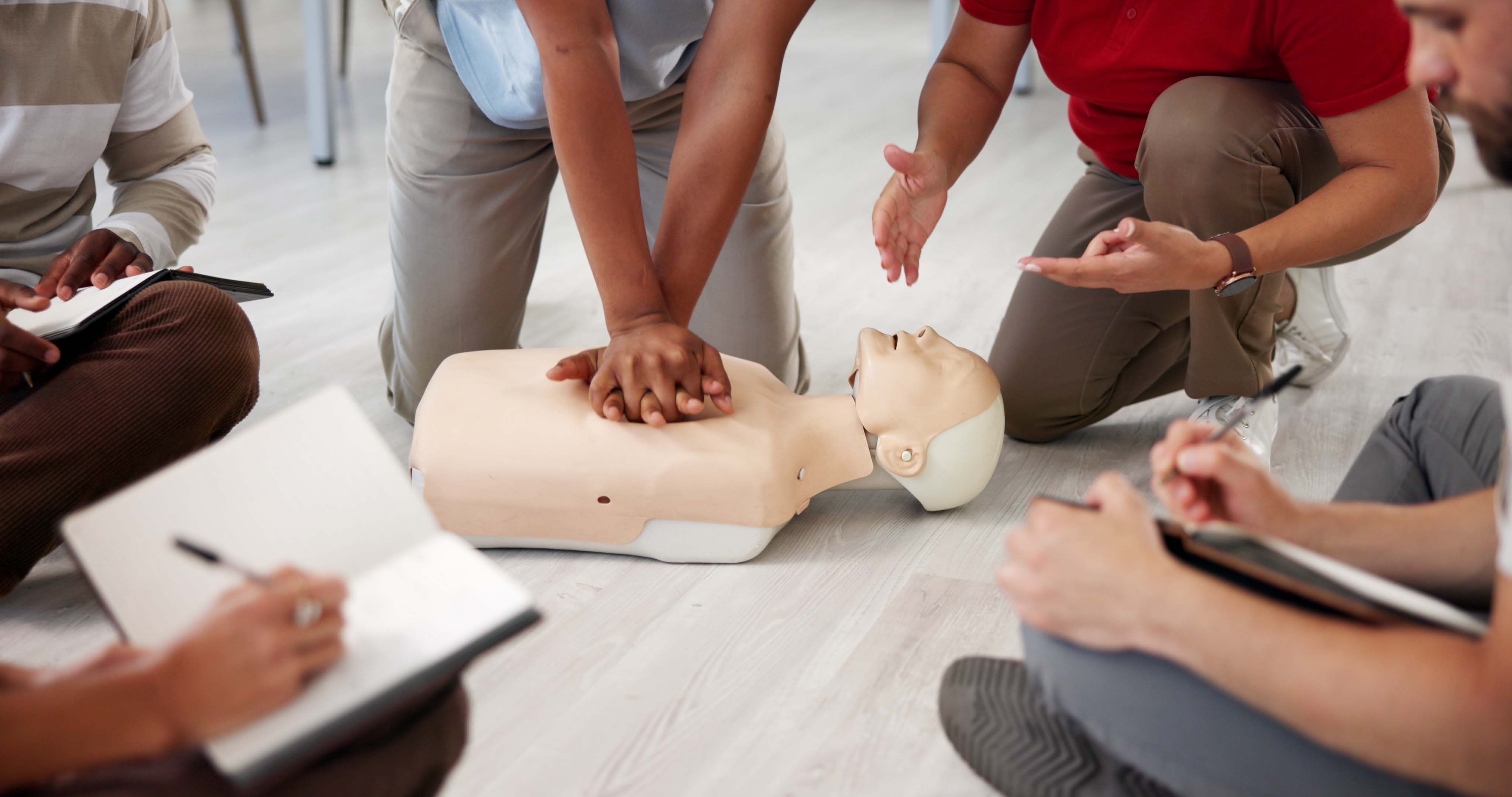
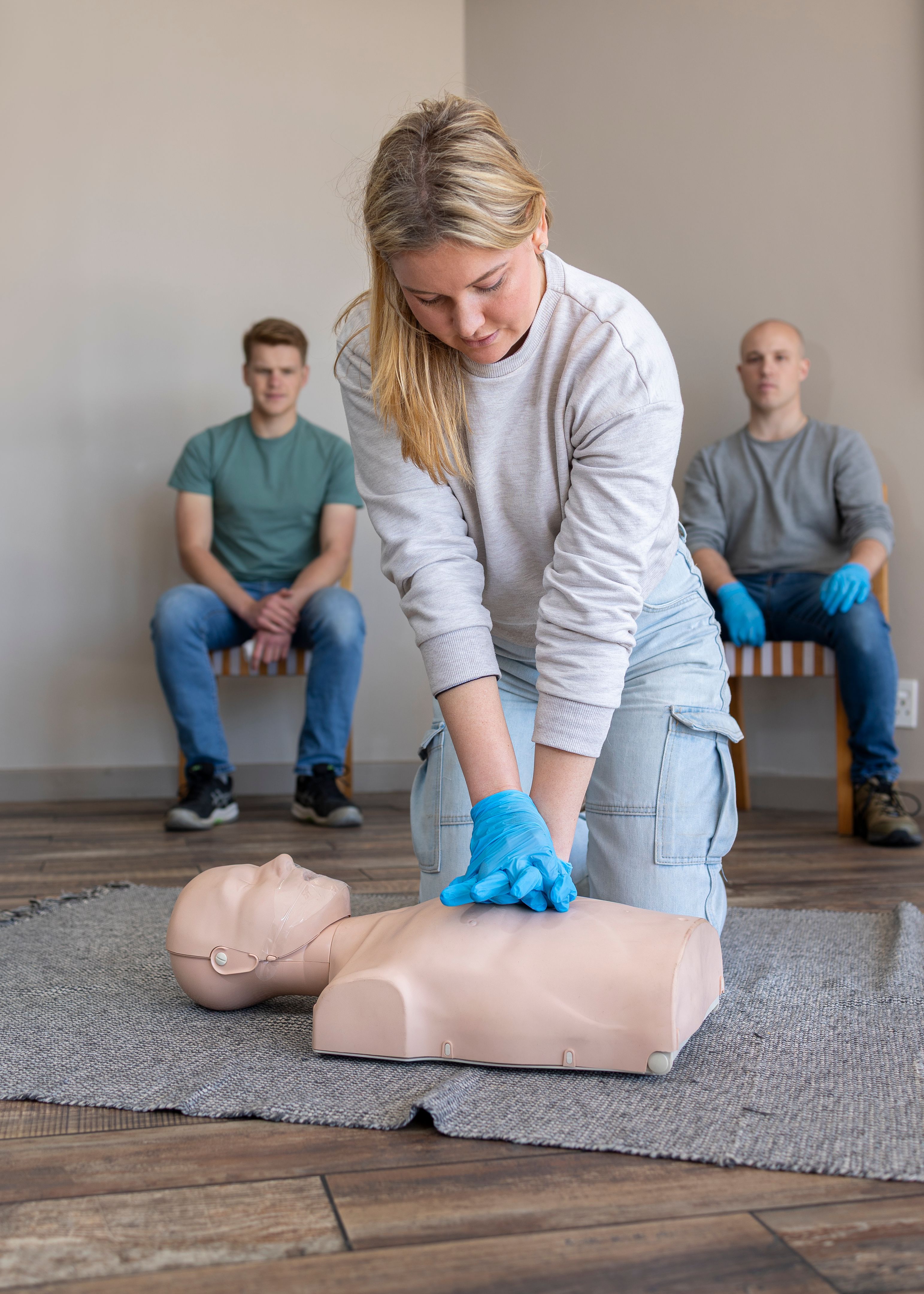
CPR is a crucial part of BLS and involves chest compressions and rescue breaths. The goal is to manually preserve intact brain function until further measures are taken to restore spontaneous blood circulation and breathing. The standard procedure is 30 compressions followed by 2 breaths.
Automated External Defibrillator (AED)
An AED is a portable device that checks the heart rhythm and can send an electric shock to the heart to try to restore a normal rhythm. It is an essential tool in BLS and can be used by laypersons with minimal training. Most public spaces now have AEDs available for emergencies.
The Importance of BLS Training
Understanding BLS is not just for healthcare professionals; it is essential for everyone. Bystanders with BLS training can provide immediate assistance, significantly increasing the victim’s chances of survival. Many organizations offer BLS certification courses to teach these life-saving skills.
When to Use BLS
BLS is typically used in cases of cardiac arrest, choking, drowning, or severe trauma. In any scenario where breathing or heart function has stopped, BLS is the first line of defense. Quick action is critical, and recognizing the situation early can save lives.
Conclusion
Basic Life Support is a fundamental skill that can be the difference between life and death. By understanding airway management, breathing support, CPR, and AED use, anyone can potentially save a life. Whether you're a healthcare professional or a concerned citizen, BLS knowledge is invaluable.