Understanding Bloodborne Pathogens: What You Need to Know


What Are Bloodborne Pathogens?
Bloodborne pathogens are infectious microorganisms in human blood that can cause disease in humans. These pathogens include, but are not limited to, hepatitis B (HBV), hepatitis C (HCV), and human immunodeficiency virus (HIV). Understanding these pathogens is crucial for maintaining safety in environments where exposure to blood is possible.
How Are Bloodborne Pathogens Transmitted?
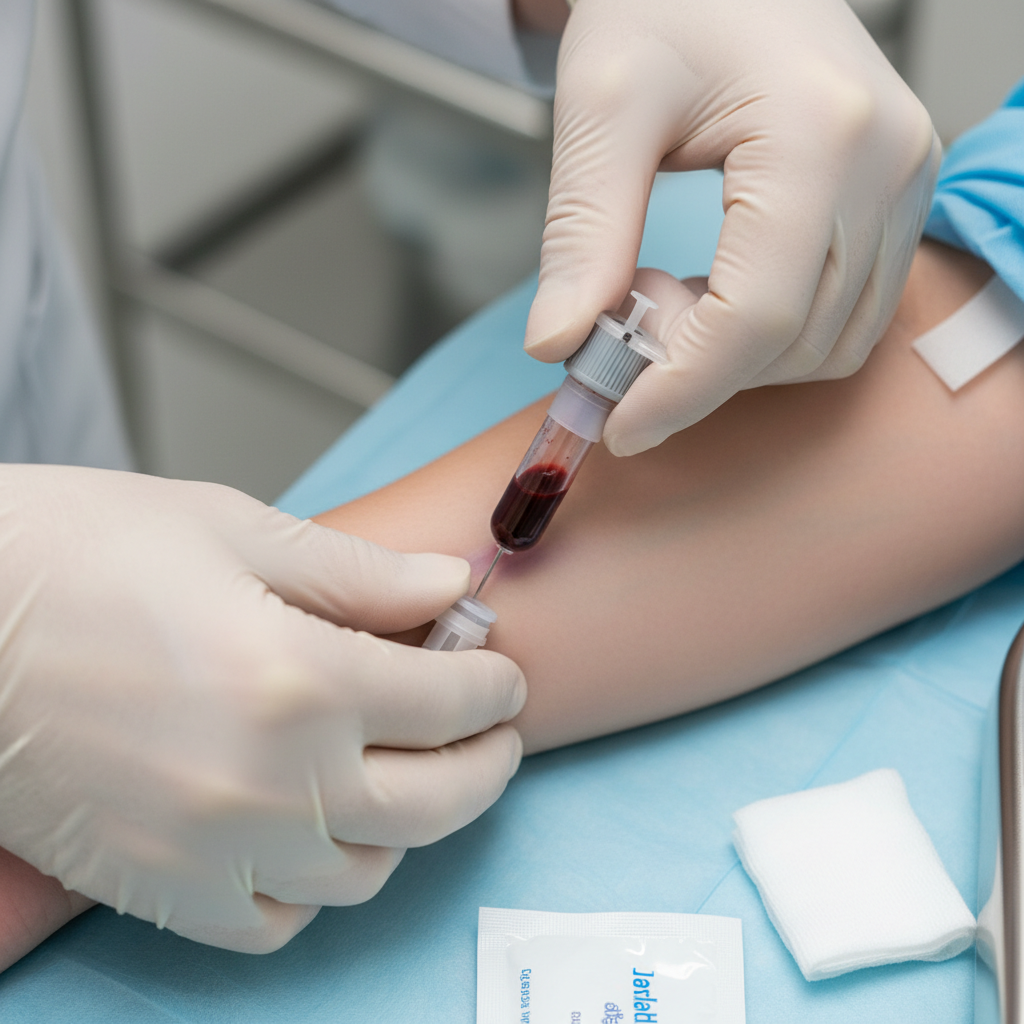
Transmission of bloodborne pathogens can occur through various routes. The most common include:
- Needlestick injuries
- Contact with infected blood through cuts or abrasions
- Exposure through mucous membranes in the eyes, nose, or mouth
It's important to use personal protective equipment (PPE) and follow safety protocols to minimize risk.
Who Is at Risk?
While anyone can be exposed to bloodborne pathogens, certain groups face higher risks. Healthcare workers, first responders, and laboratory technicians are among those most frequently exposed due to the nature of their work.

Preventive Measures
To prevent exposure, it's crucial to implement the following measures:
- Utilize PPE, such as gloves and masks, when necessary.
- Adopt proper hand hygiene practices.
- Follow protocols for safe handling and disposal of needles and sharp objects.
Training and education are also vital components in reducing the risk of transmission.
What to Do in Case of Exposure
If exposure occurs, immediate action is essential. Wash the affected area thoroughly with soap and water. If eyes or mucous membranes are exposed, rinse them with water or saline solution. Promptly report the incident to a supervisor and seek medical evaluation.
Understanding Legal and Safety Regulations
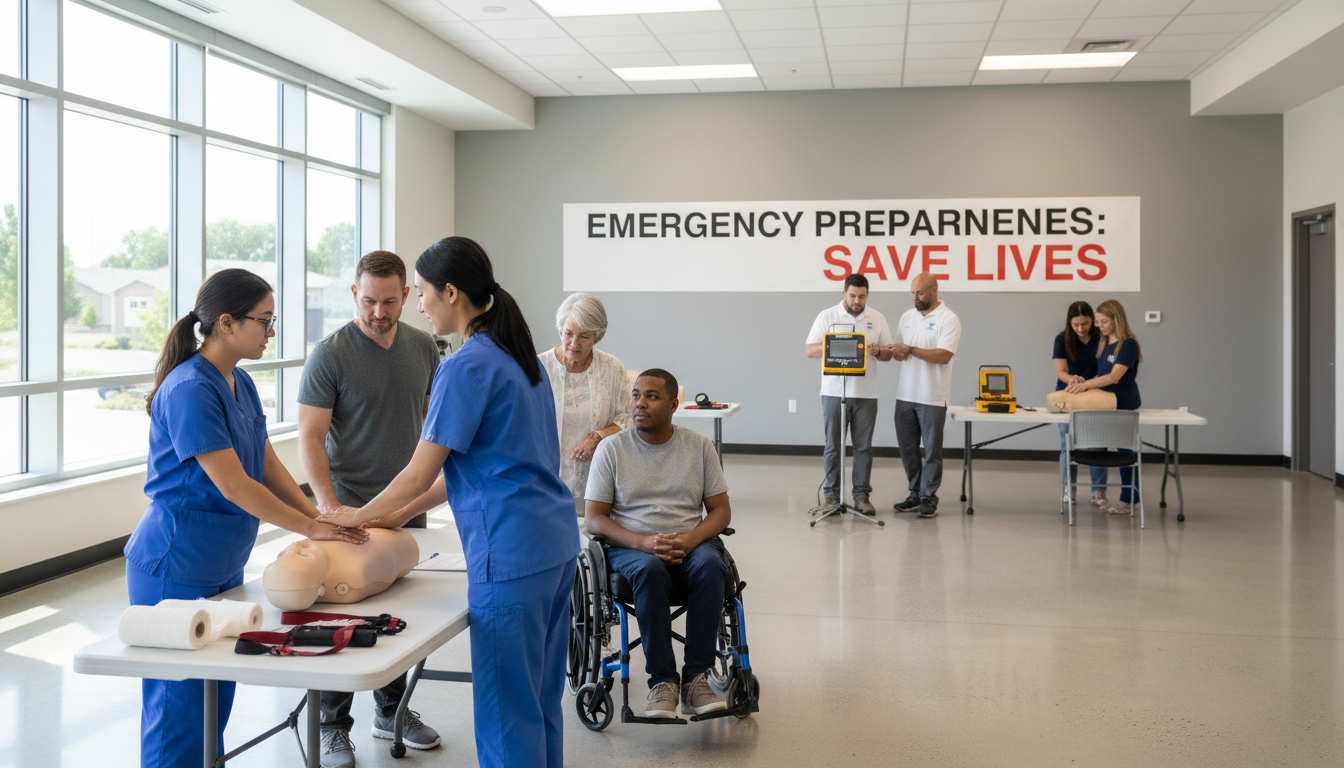
Various regulations, such as the Occupational Safety and Health Administration (OSHA) standards, exist to protect workers from bloodborne pathogens. These regulations require employers to provide training, vaccinations, and exposure control plans to minimize risk.
Compliance with these regulations is not only a legal obligation but also a crucial part of workplace safety.
Conclusion: Staying Informed and Prepared
Understanding bloodborne pathogens and the risks associated with them is vital for anyone working in environments where exposure is possible. By adhering to safety protocols and staying informed, you can protect yourself and others from potential infections.
Regular training and awareness are key components in fostering a safe work environment.