Virtual Basic Life Support Classes: Meeting the Growing Demand


In recent years, the demand for life-saving skills has grown significantly. As more people recognize the importance of being prepared for emergencies, many are turning to virtual Basic Life Support (BLS) classes to gain essential knowledge and skills. These classes offer a flexible, accessible way to learn how to respond effectively in critical situations.
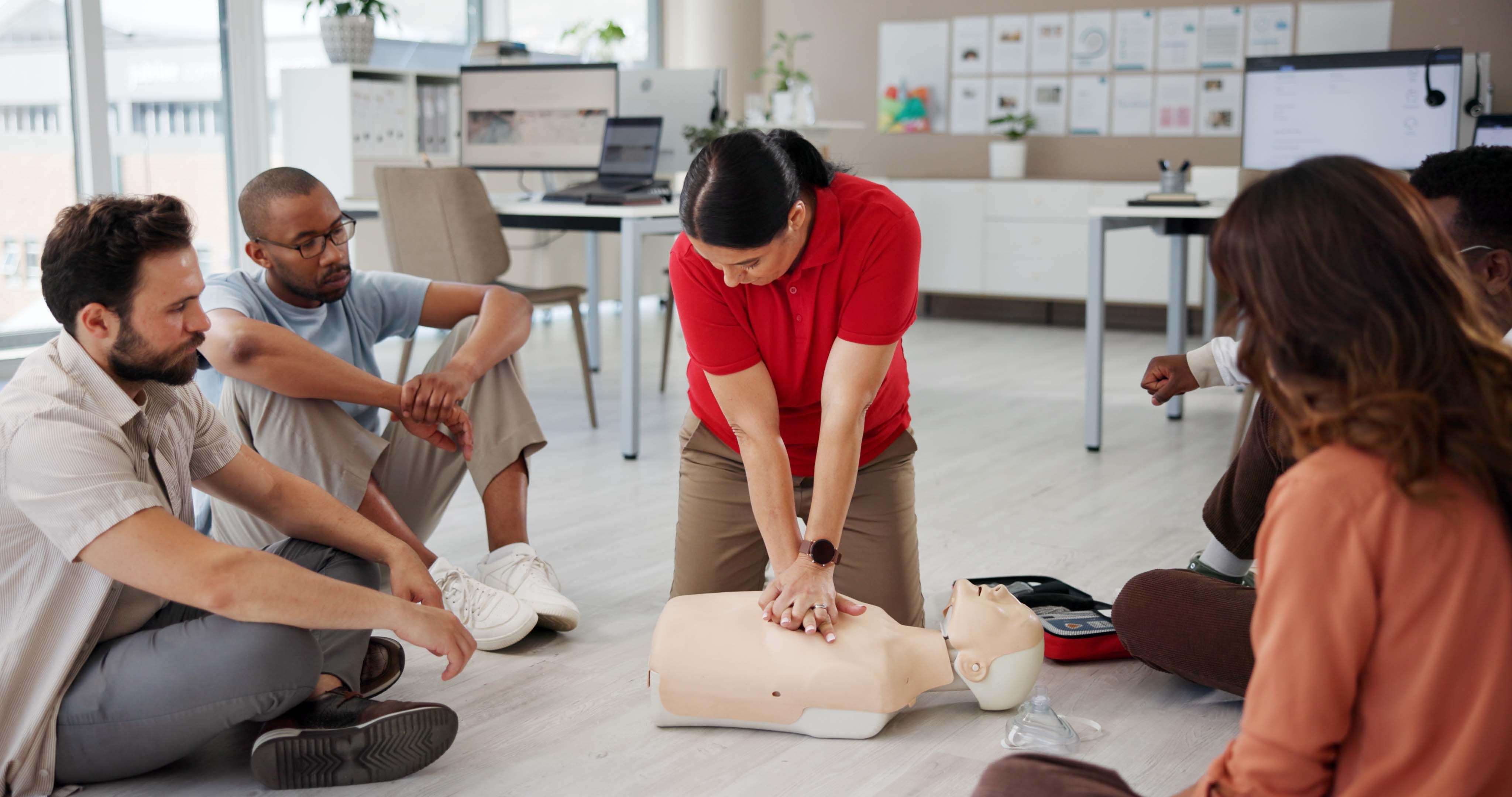
The Rise of Virtual Learning
With the advent of online education, virtual learning has become a preferred option for many. The flexibility it offers allows individuals to learn at their own pace and convenience. This is particularly beneficial for those with busy schedules or limited access to in-person classes.
Virtual BLS classes are designed to be interactive and engaging. They use a combination of video demonstrations, quizzes, and live sessions to ensure that participants fully grasp the concepts. This format makes learning not only effective but also enjoyable.
Benefits of Virtual BLS Classes
One of the most significant advantages of virtual BLS classes is accessibility. Participants can join from anywhere, eliminating geographical barriers. This is especially important for those living in remote areas where traditional classes may not be available.

Another benefit is cost-effectiveness. Virtual classes often have lower fees compared to in-person sessions, making life-saving education more accessible to a broader audience. Additionally, online classes often provide lifetime access to materials for ongoing learning and review.
Meeting the Growing Demand
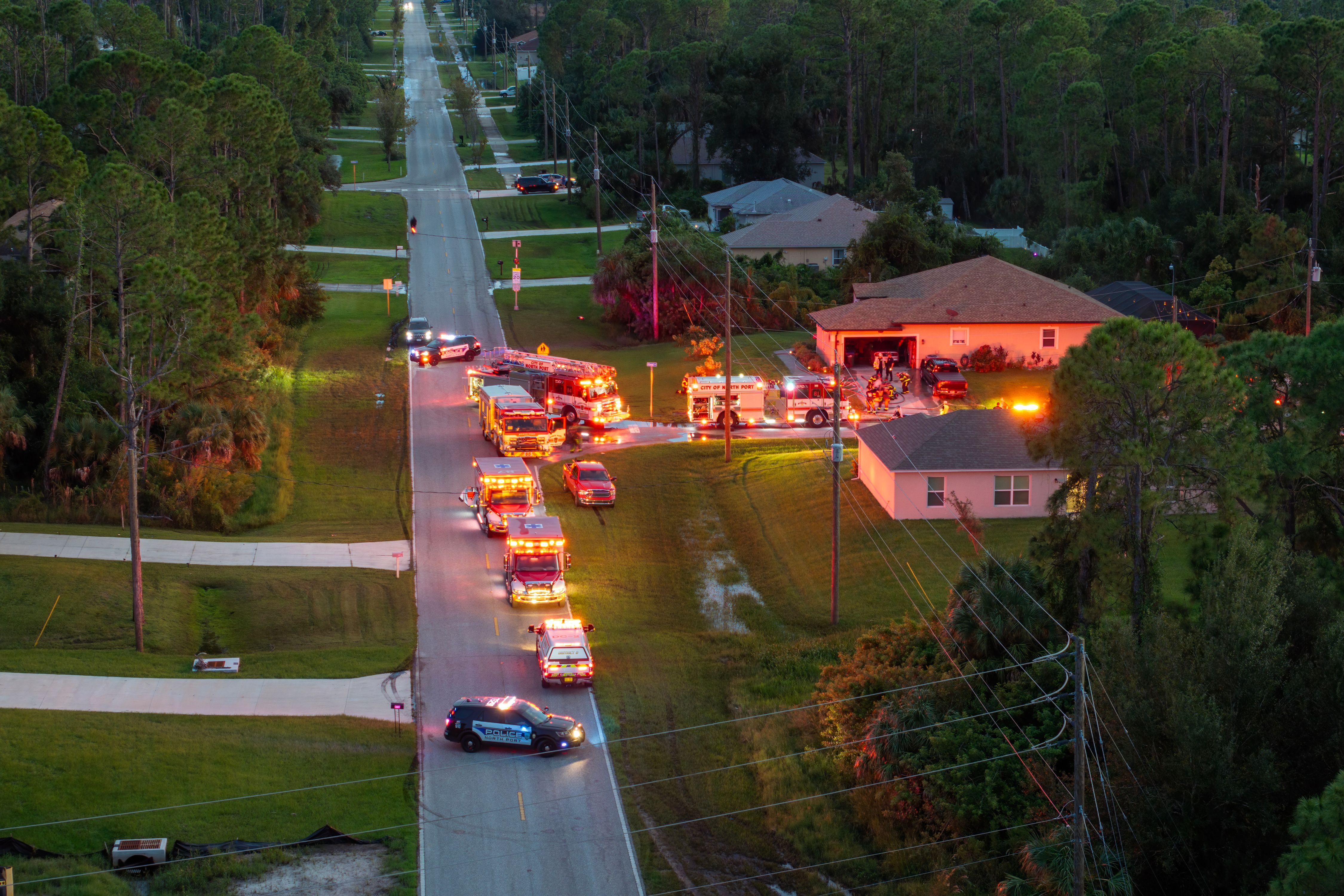
The increasing awareness of the importance of BLS skills has led to a surge in demand for training. Organizations, schools, and communities are recognizing the value of having more individuals trained in basic life support.
Virtual BLS classes are perfectly positioned to meet this demand. They offer scalable solutions that can accommodate large numbers of participants without compromising on the quality of education. This scalability ensures that more people can be trained quickly and efficiently.
Ensuring Quality and Engagement
To maintain high standards, many virtual BLS programs partner with accredited organizations. This ensures that the curriculum meets industry standards and that participants receive recognized certification upon completion.
Engagement is key in virtual learning. Successful BLS programs incorporate interactive elements such as live Q&A sessions, peer discussions, and hands-on practice using digital tools. These features help participants stay engaged and retain what they learn.
The Future of BLS Training
As technology continues to evolve, virtual BLS classes will likely become even more advanced. Innovations such as virtual reality simulations could offer even more immersive learning experiences, further enhancing the effectiveness of online training.
The growing demand for BLS training indicates a positive trend towards increased community preparedness. By embracing virtual classes, we can ensure that everyone has the opportunity to learn these vital skills, ultimately leading to safer communities.