What to Expect from a First Aid Course: A Comprehensive Guide


Introduction to First Aid Courses
Embarking on a first aid course is a proactive way to ensure you're prepared for emergencies. Whether you're a parent, teacher, or simply someone who wants to be equipped for unexpected situations, these courses offer invaluable skills. In this guide, we'll explore what you can expect from a first aid course and why it's an essential investment.
Understanding the Basics
The foundation of any first aid course is understanding basic life-saving techniques. You'll learn how to assess a situation, identify potential hazards, and determine the severity of an injury or illness. This initial assessment is crucial in providing appropriate aid and contacting emergency services if necessary.
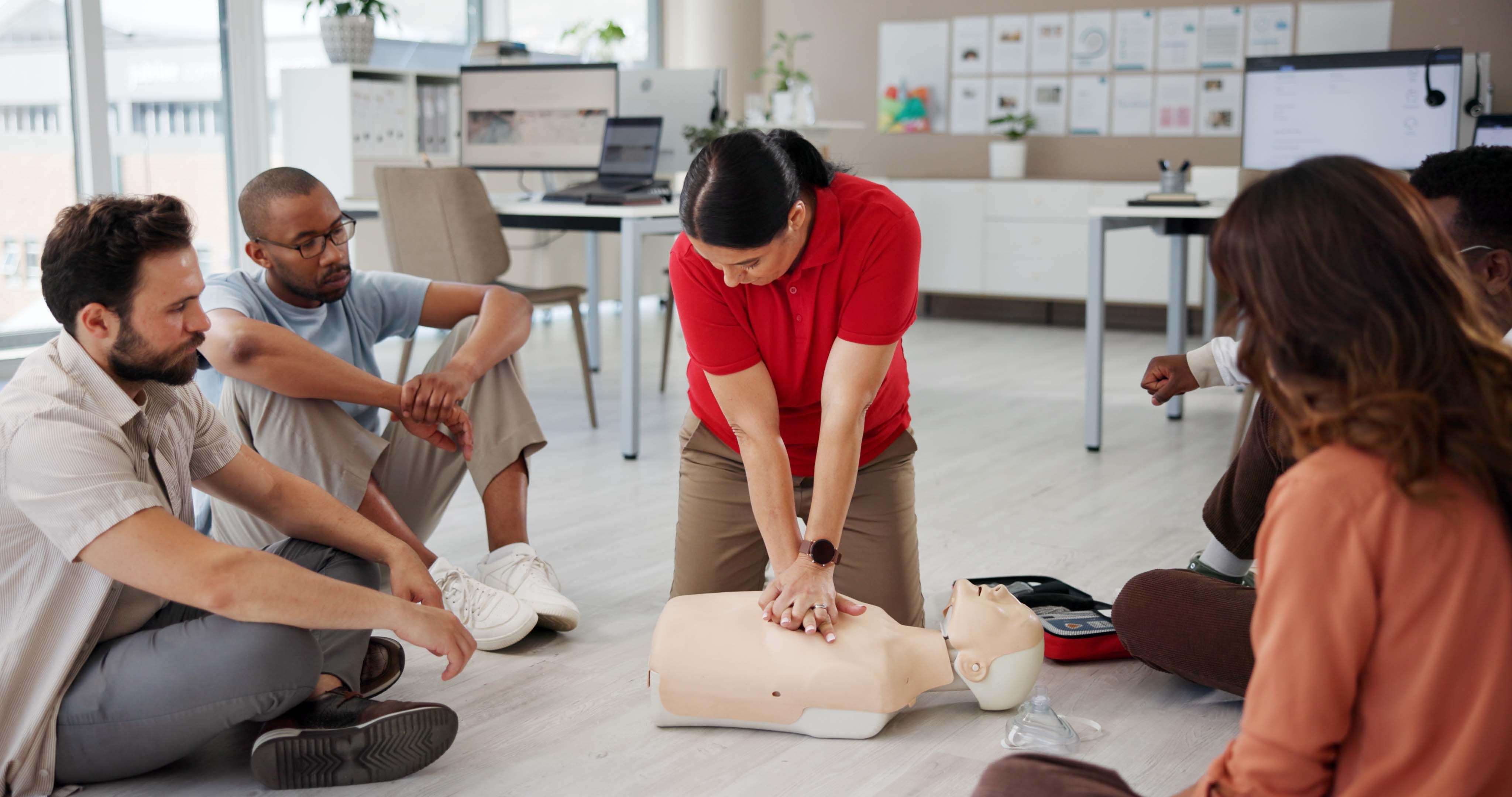
Courses typically start with CPR (Cardiopulmonary Resuscitation) and AED (Automated External Defibrillator) training. These skills are vital for responding to cardiac emergencies, and mastering them could mean the difference between life and death.
Hands-On Practice
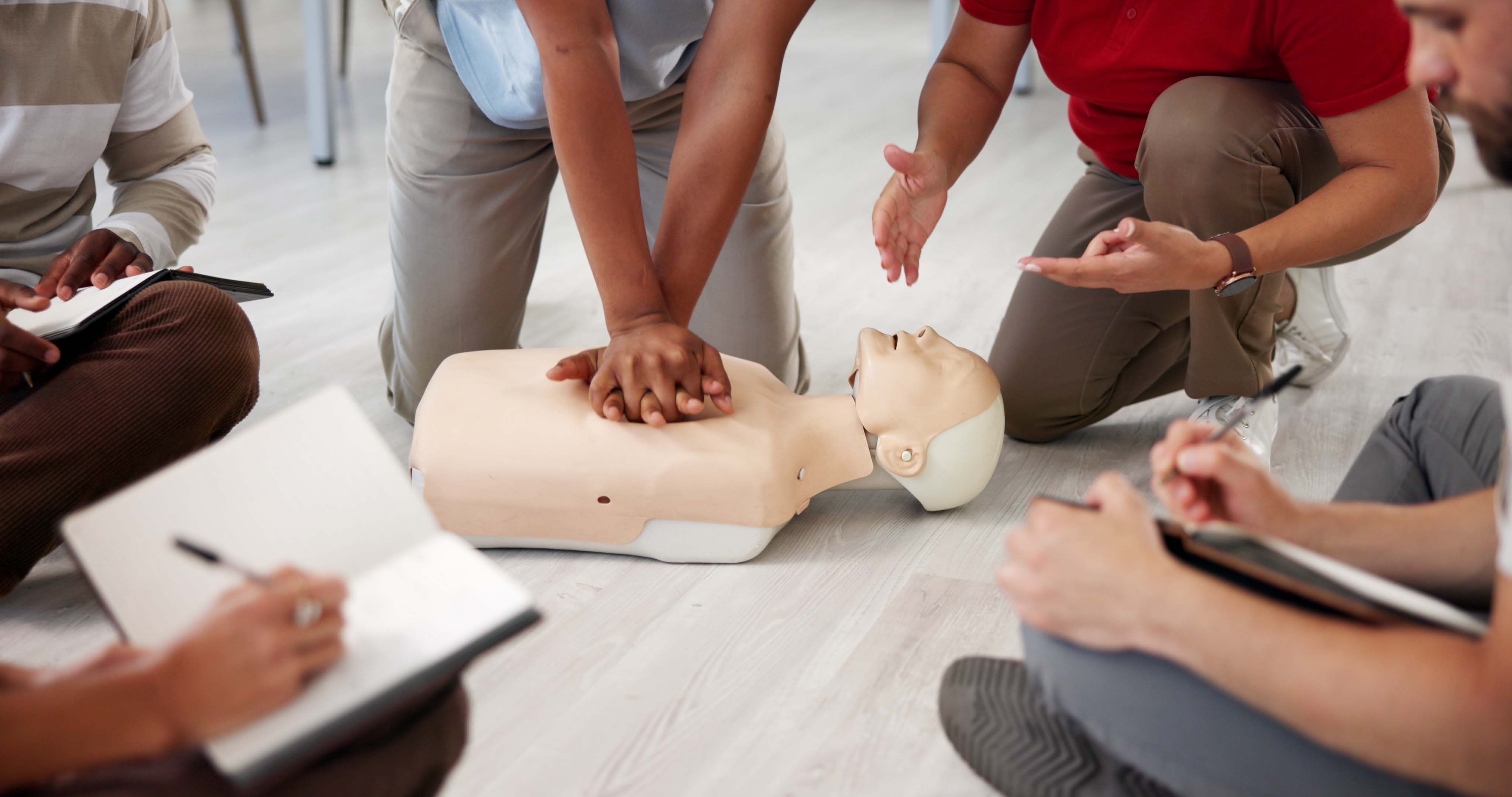
A significant portion of the course involves hands-on practice. You'll work with mannequins and other training tools to simulate real-life scenarios. This practical experience is essential for building confidence and ensuring you're ready to act swiftly and effectively during a crisis.
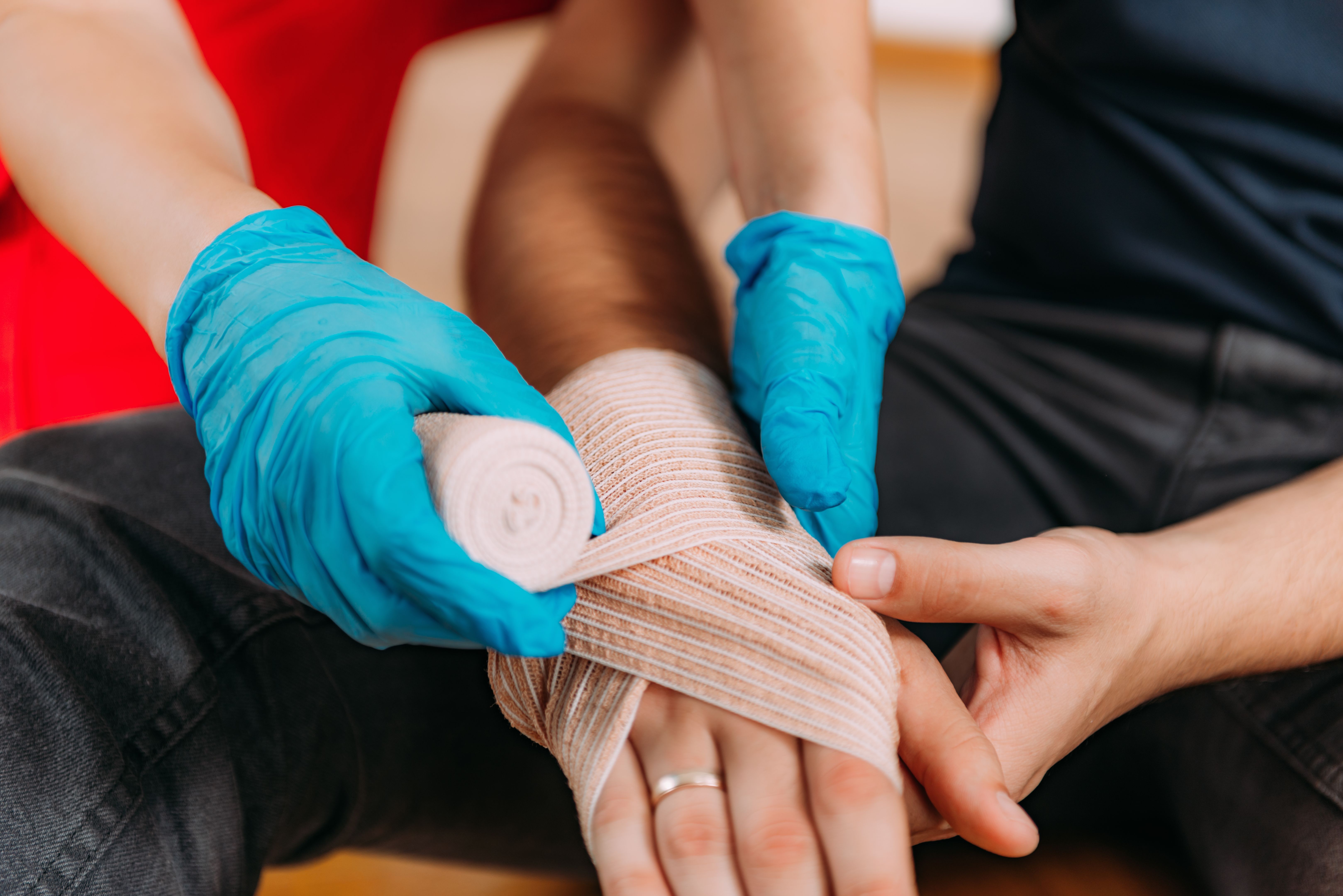
Expect to practice bandaging techniques, controlling bleeding, and managing shock. These skills are essential for treating a variety of injuries, from minor cuts to more severe wounds.
Learning Emergency Response
First aid courses also cover how to respond in various emergency situations. This includes handling choking incidents, managing fractures, and dealing with burns and scalds. Each situation requires a specific set of responses, and the course will guide you through these step-by-step procedures.
Understanding Legal and Ethical Considerations
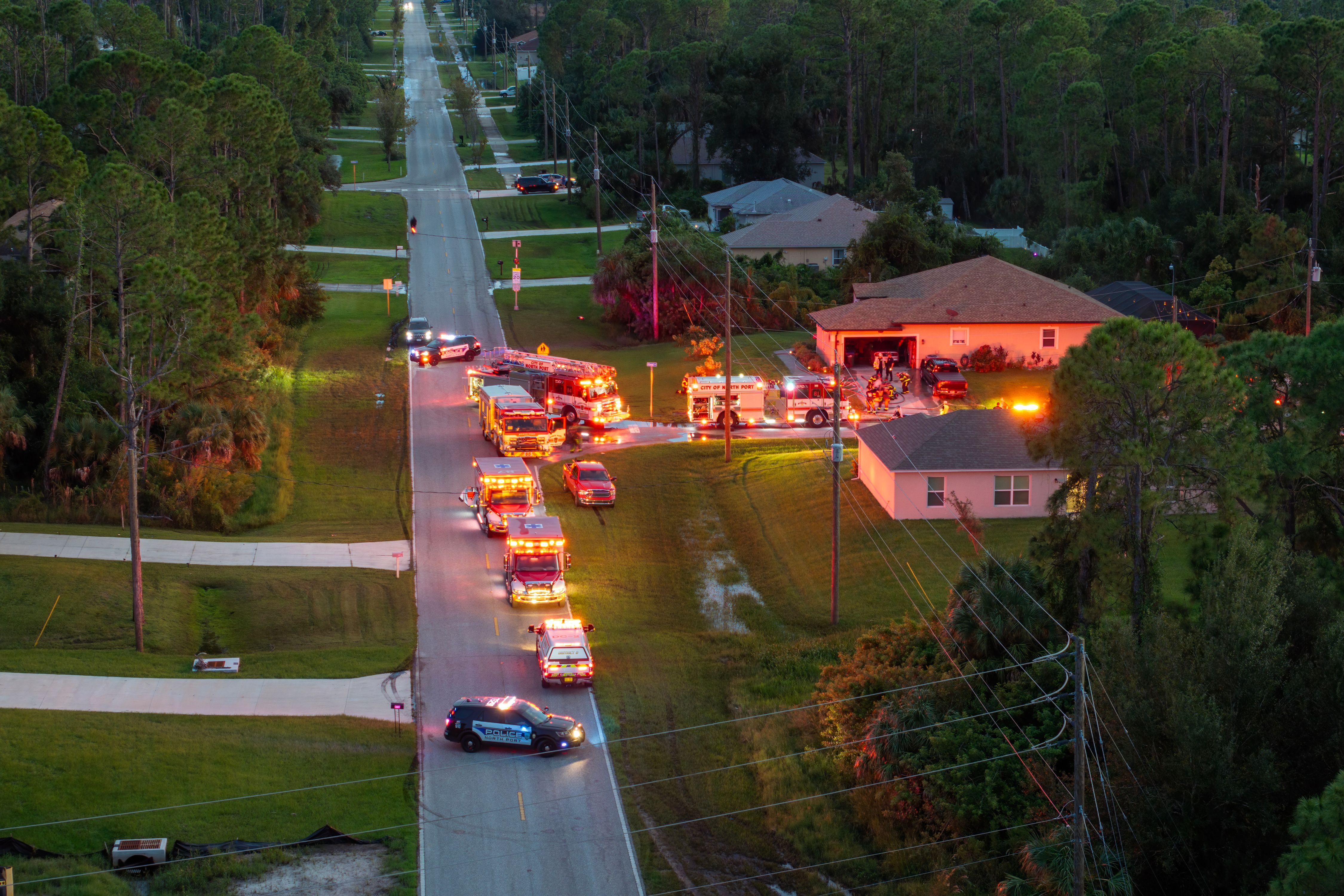
Another crucial component of first aid training is understanding the legal and ethical implications of providing aid. You'll learn about consent, liability, and the Good Samaritan laws that protect those who offer assistance in good faith.
This knowledge ensures that you're not only prepared to help but also aware of the boundaries and responsibilities involved in providing first aid.
Certification and Continuous Learning
At the end of the course, participants typically receive a certification that validates their skills. However, first aid is an evolving field, and staying updated with the latest techniques and recommendations is important. Many organizations offer refresher courses and advanced training for those who wish to deepen their knowledge.
Conclusion: A Vital Skill Set
Completing a first aid course equips you with the skills and confidence to handle emergencies effectively. Whether you're at home, work, or in the community, knowing how to provide first aid can make a significant difference. It's a commitment to safety and preparedness that benefits everyone.