Why AED Training Courses Are Essential for Workplace Safety


Understanding AEDs and Their Importance
Automated External Defibrillators (AEDs) are life-saving devices designed to treat sudden cardiac arrest (SCA). These portable devices analyze heart rhythms and can deliver an electrical shock to restore a normal heartbeat. With cardiac arrest being a leading cause of death, having AEDs readily available and knowing how to use them is crucial for workplace safety.
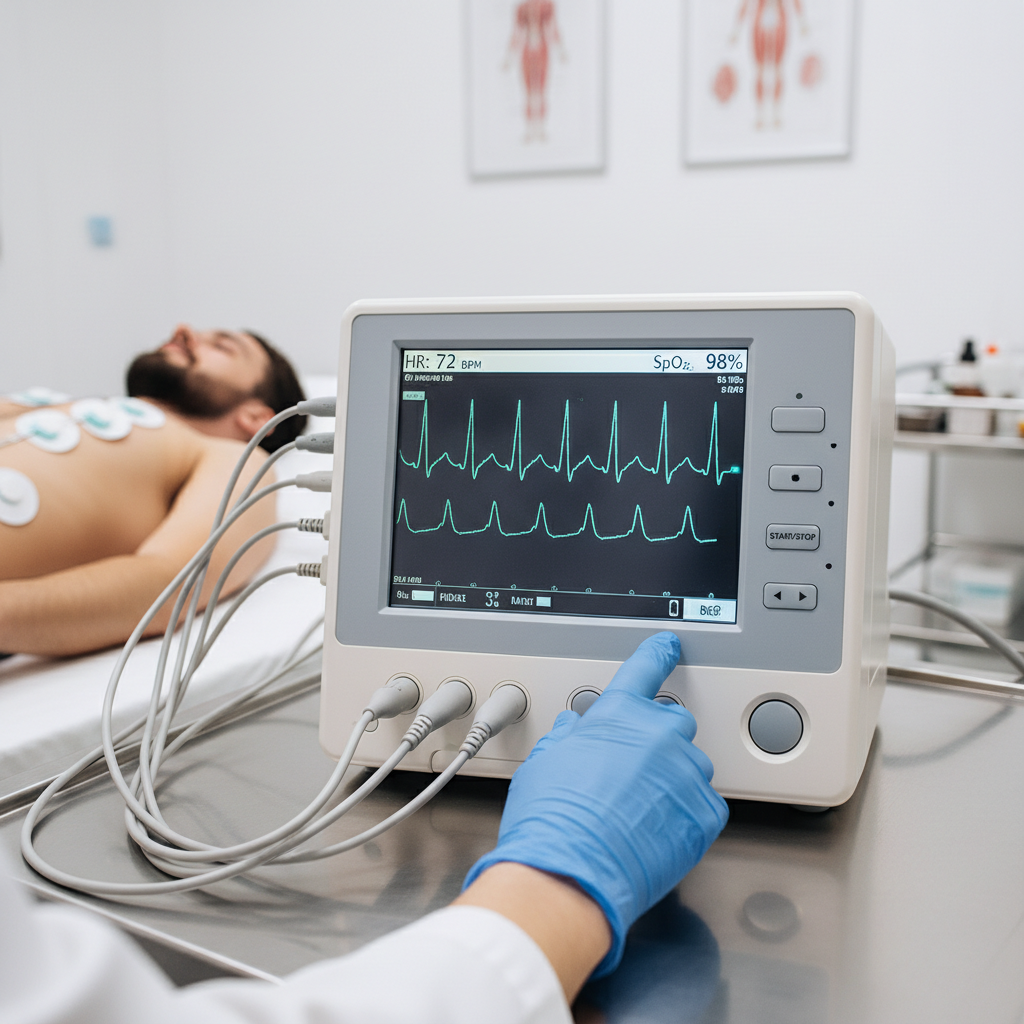
The Reality of Cardiac Arrest
Each year, thousands of individuals experience cardiac arrest outside of a hospital setting. The survival rate significantly increases when immediate CPR and defibrillation are provided. Unfortunately, many workplaces are not equipped with AEDs, or employees are not trained to use them, which can result in tragic outcomes.
Benefits of AED Training for Employees
Providing AED training courses for employees has numerous advantages. Firstly, it empowers employees with the knowledge and skills to act swiftly in emergencies. Secondly, it fosters a safer work environment, showing employees that their health and safety are a priority. Moreover, it can potentially save lives, which is invaluable.

Key Components of AED Training
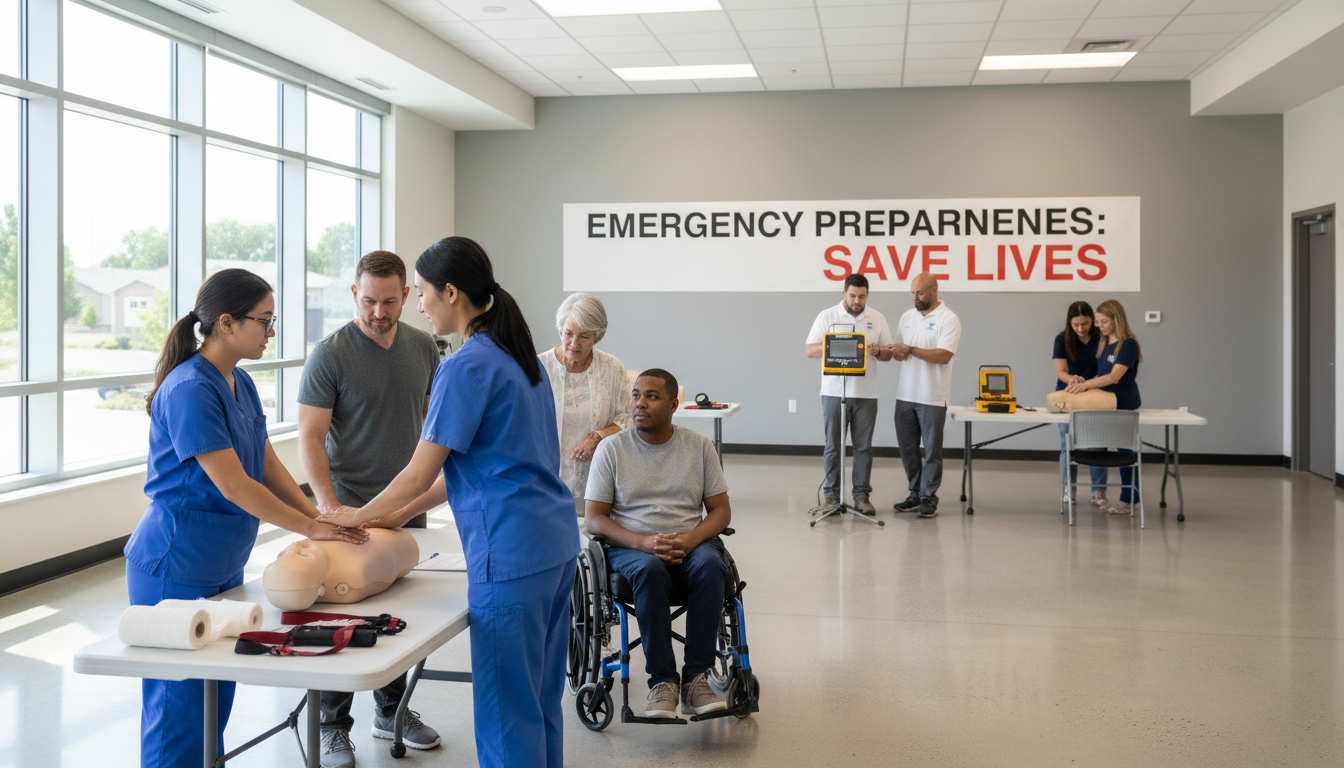
AED training courses typically cover several essential components. These include:
- Understanding the function and operation of AEDs.
- Recognizing the signs of sudden cardiac arrest.
- Learning how to perform CPR in conjunction with AED use.
- Practicing the steps to safely administer a shock.
Legal and Ethical Considerations
Employers have a legal and ethical responsibility to ensure a safe environment for their employees. In many jurisdictions, having AEDs and trained personnel is not only recommended but required by law. Failing to comply can result in significant legal repercussions and damage to the company’s reputation.
Cost-Effectiveness of AED Training
While there is an initial investment in AED devices and training courses, the long-term benefits far outweigh the costs. The potential to save a life, reduce downtime, and create a culture of safety provides a substantial return on investment. Additionally, many insurance companies offer discounts for workplaces that implement comprehensive safety programs, including AED training.
Creating a Culture of Preparedness
Implementing AED training courses contributes to a culture of preparedness and confidence among employees. Knowing that they can rely on each other in emergencies enhances team cohesion and morale. Furthermore, it encourages employees to take an active role in maintaining a safe workplace.
Conclusion
Incorporating AED training courses into workplace safety protocols is not just a recommendation; it's a necessity. By preparing employees to respond effectively to cardiac emergencies, businesses demonstrate their commitment to health and safety, potentially saving lives and fostering a secure work environment. Investing in AED training is investing in the well-being of everyone in the workplace.